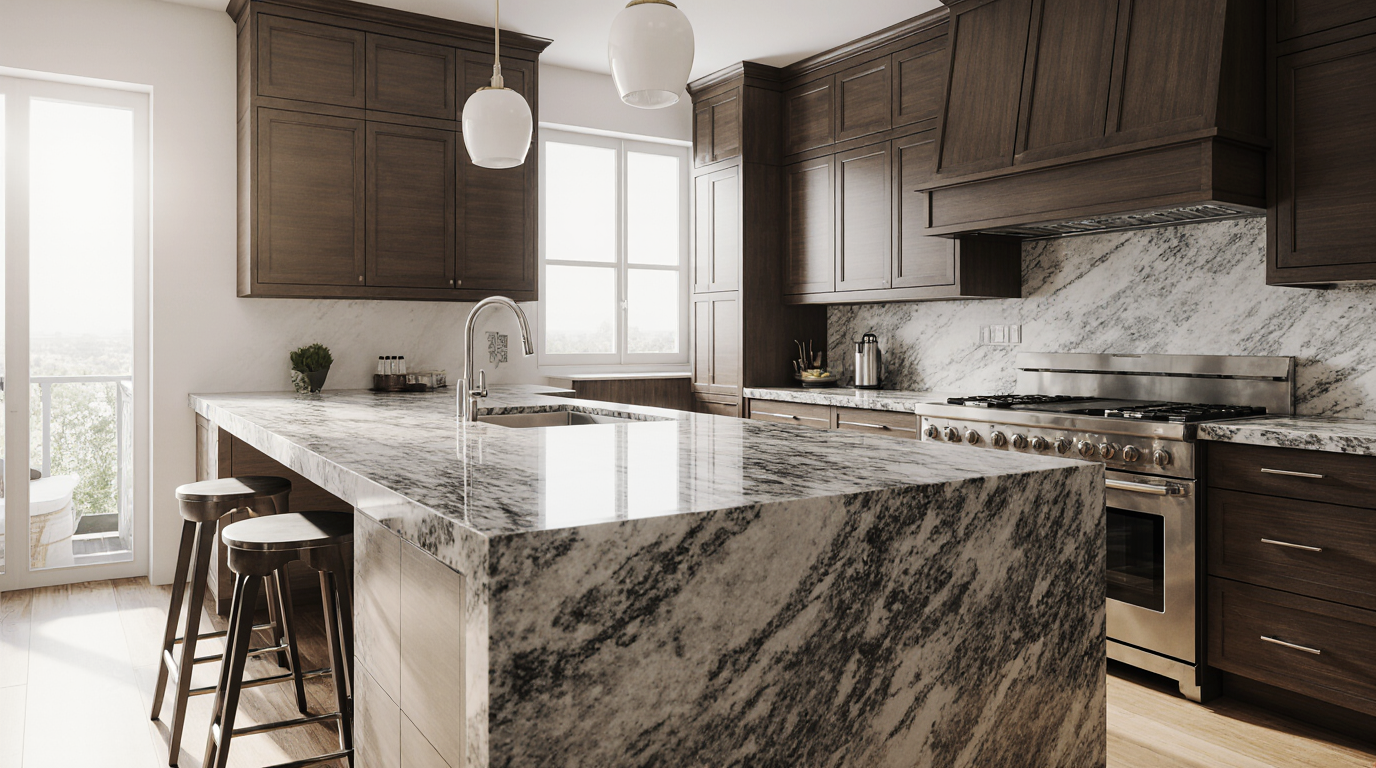
Granite and Quartz Countertops – Comprehensive Handbook for Sophisticated and Resilient Kitchen Surfaces
Granite and quartz countertops symbolize the apex of high-end culinary surfaces and home design, uniting durability with exceptional design elegance. residents today are increasingly attracted to these materials for their timeless elegance, superior strength, and the potential to boost home market appeal. Granite, a natural stone formed over vast geological periods, offers one-of-a-kind textures and chromatic diversity in every slab, creating unparalleled individuality. Its inherent hardness protects it from scratches, heat, and daily wear, which is why granite countertops are widely favored for busy cooking areas. Quartz, on the other hand, is an man-made composite that fuses quartz with durable polymers and pigments, offering predictable patterns in color and pattern along with superior stain resistance.
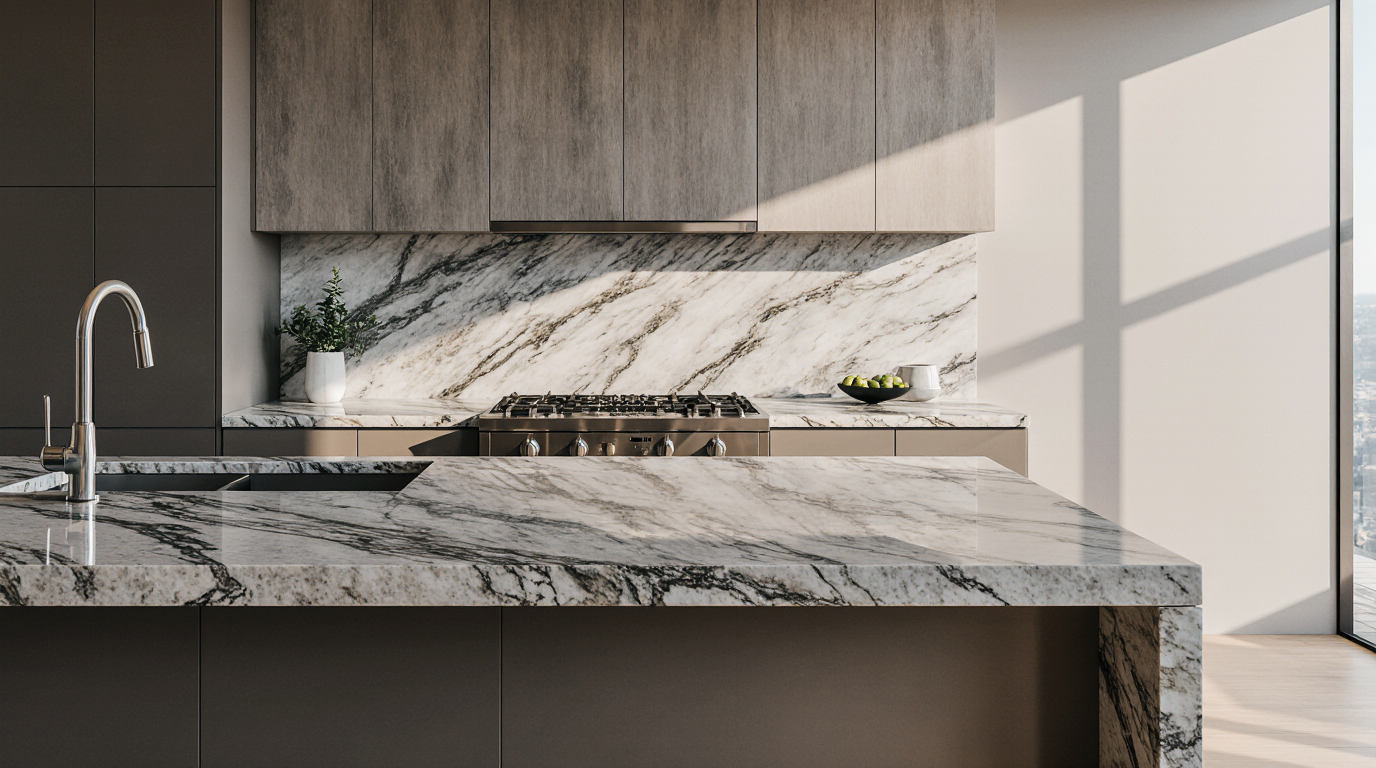
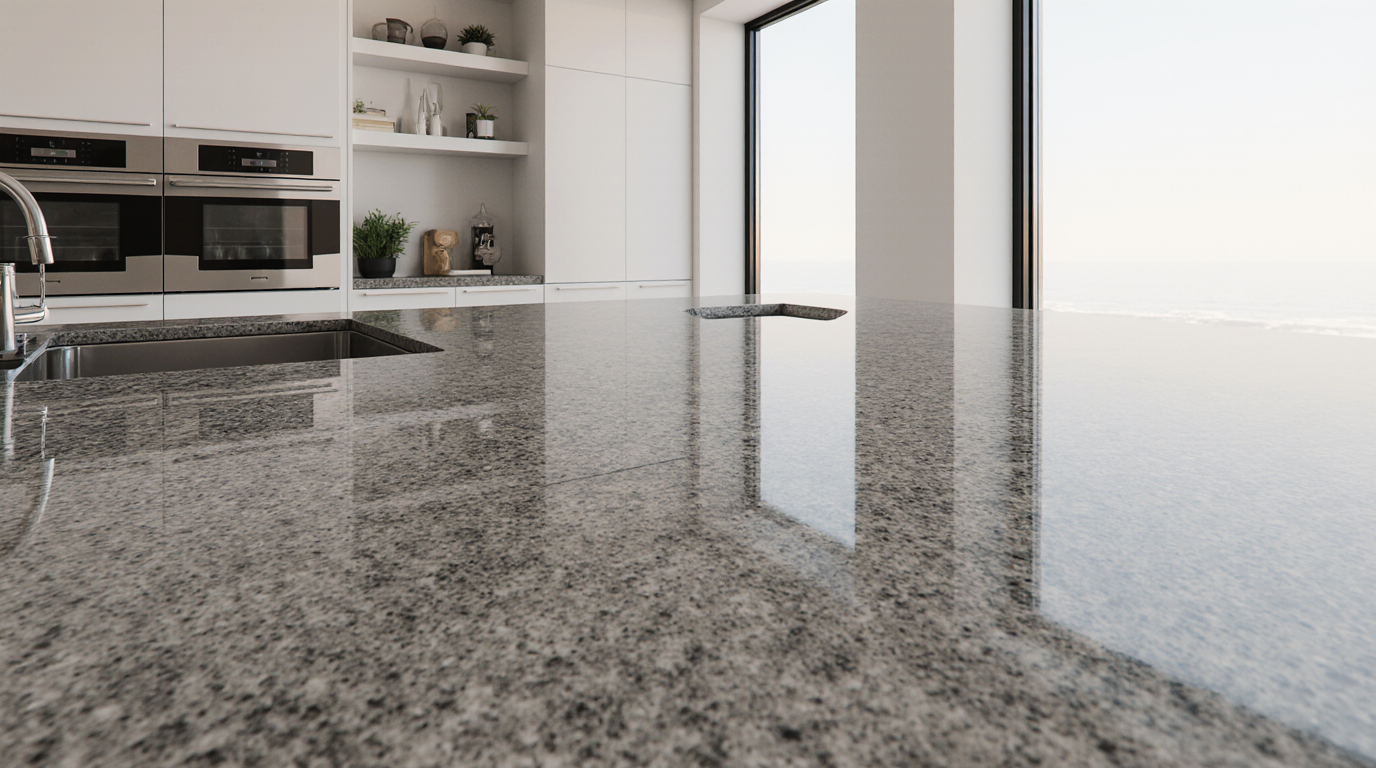
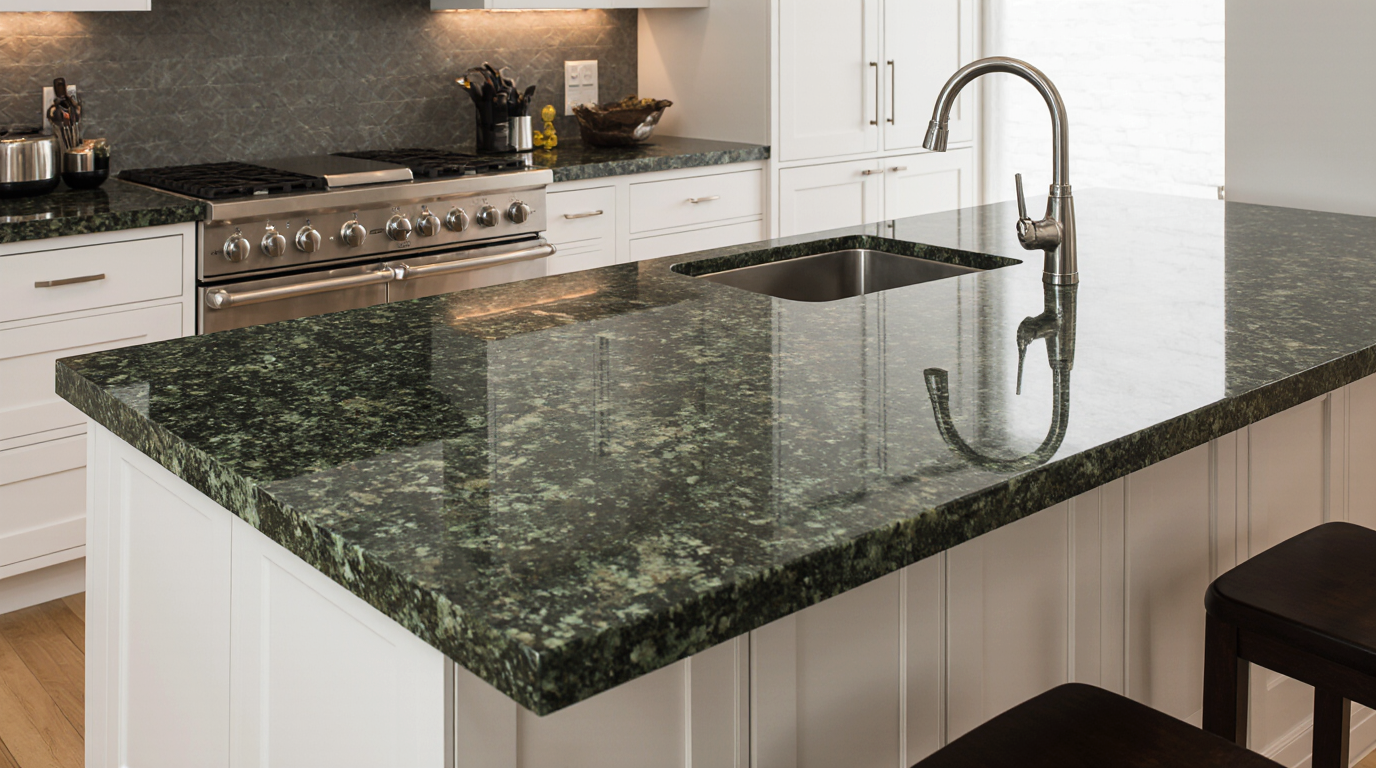
One of the most significant perks of granite countertops is the natural beauty and dimension that natural rock exhibits. Each slab tells a story, with swirling veins, flecks, and mineral deposits that catch the eye and enhance any kitchen décor. Granite is accessible in a broad spectrum of colors, from deep blacks and rich browns to lighter whites and greys, allowing homeowners to match their surface with cabinetry, backsplashes, and floors with precision. Beyond aesthetics, granite is an wise property enhancement due to its robustness. Its ability to withstand extreme temperatures makes it perfect for cooking areas, where hot pots and pans are frequently placed on the surface. Furthermore, with routine protective care, granite resists stains from common kitchen substances such as wine, coffee, and oils, maintaining its elegance for years.
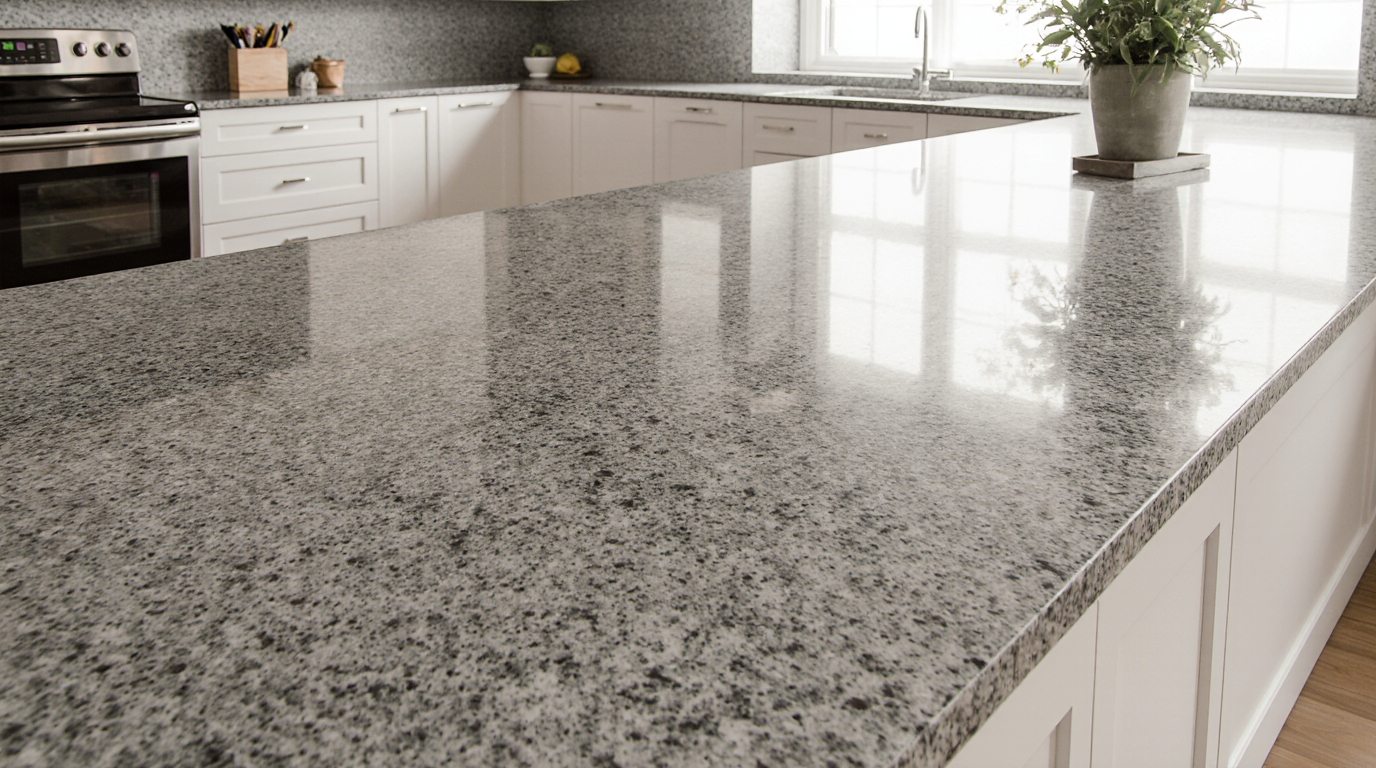
Quartz countertops enhance culinary spaces with a combination of style and practicality. Unlike natural stone, quartz is engineered to achieve a consistent and flawless appearance, which is ideal for modern kitchens seeking a sleek and uniform look. Quartz is durable against wear, breaks, and blemishes, making it a practical solution for families and busy households. One of the key advantages of quartz is its effortless care, unlike granite, as it requires no periodic sealing to preserve its integrity. This makes quartz an optimal selection for homeowners seeking elegance without maintenance, ensuring that their countertops remain both beautiful and functional over time.
When selecting between granite and quartz countertops, strength and visual appeal are essential factors. Granite offers unmatched natural variation, making it perfect for homeowners who value individuality and the organic beauty of stone. Each piece is one-of-a-kind, allowing for statement-making surfaces that become the focal point of a kitchen. Quartz, alternatively, provides a modern and uniform aesthetic, with infinite customization in hue and texture because of engineering. For those who seek seamless design for extensive areas, quartz guarantees accuracy and continuity. Both materials provide excellent return on investment, as they are coveted in home resale contexts and can significantly enhance home resale value.
Maintenance is another essential factor where granite and quartz countertops excel, though in distinct manners. Granite, being porous, needs protective sealing to avoid liquid infiltration, but this process is easy and minimal. Typically, sealing is done every 12 months, ensuring the stone keeps its original shine and prevents unwanted blemishes. Quartz is inherently non-porous, which means accidental spills are easily managed, and the countertop ensures safe food preparation, making it a hygienic option for kitchens and bathrooms alike. Both options are ideal for families who want durable, long-lasting surfaces that combine functionality with aesthetic appeal, providing peace of mind and enduring performance.
Design flexibility is another advantage why granite and quartz countertops are highly recommended in modern kitchens. Granite’s organic textures support bespoke kitchen aesthetics, complementing a rustic, classic, or contemporary aesthetic. Homeowners can pick stones with striking veining to create focal points or delicate textures for minimalistic charm. Quartz offers near-limitless possibilities in terms of color and finish, including high-gloss, satin, or rough finishes, allowing designers to achieve a customized look tailored to any interior style. The multifaceted nature of granite and quartz ensures that they function as both practical surfaces and design highlights, elevating the overall ambiance of the space.
Installation and longevity are key factors for homeowners selecting long-lasting kitchen tops. Professional installation is recommended, guaranteeing accurate measurements, flawless joints, and polished edges. Once installed, granite can last a lifetime with minimal maintenance, while quartz countertops ensure long-term durability with ease. Both materials are resilient under frequent culinary stress, making them perfect for heavily used cooking areas. Their timeless durability also preserves their aesthetic appeal and functionality, providing homeowners with security and investment protection.
Ultimately, deciding between granite and quartz is a decision that blends functionality, design, and long-term investment. Granite provides authentic stone surfaces that celebrate individuality and organic appeal. Quartz offers sleek, contemporary style with minimal upkeep and high resilience. Both materials represent the pinnacle of sophistication and performance, providing beauty, functionality, and reliability in every setting. With the right selection, granite and quartz countertops can transform any space into a luxurious, functional, and inspiring environment.
Whether upgrading a home for everyday living or investment purposes, granite and quartz countertops continue to dominate as top selections for premium countertops. Their fusion of elegance, toughness, and usability guarantees practical and stunning kitchens, while their longevity ensures that these surfaces remain a worthwhile investment over time.