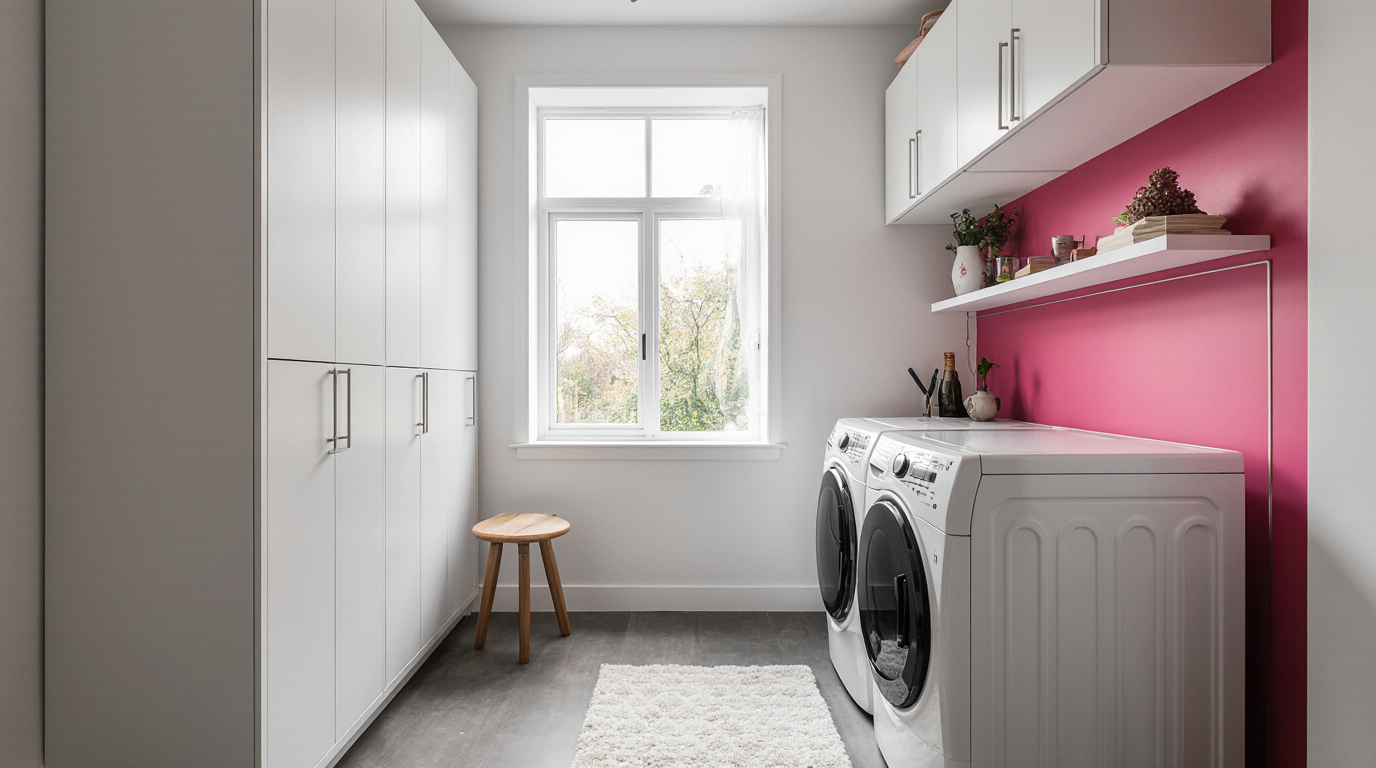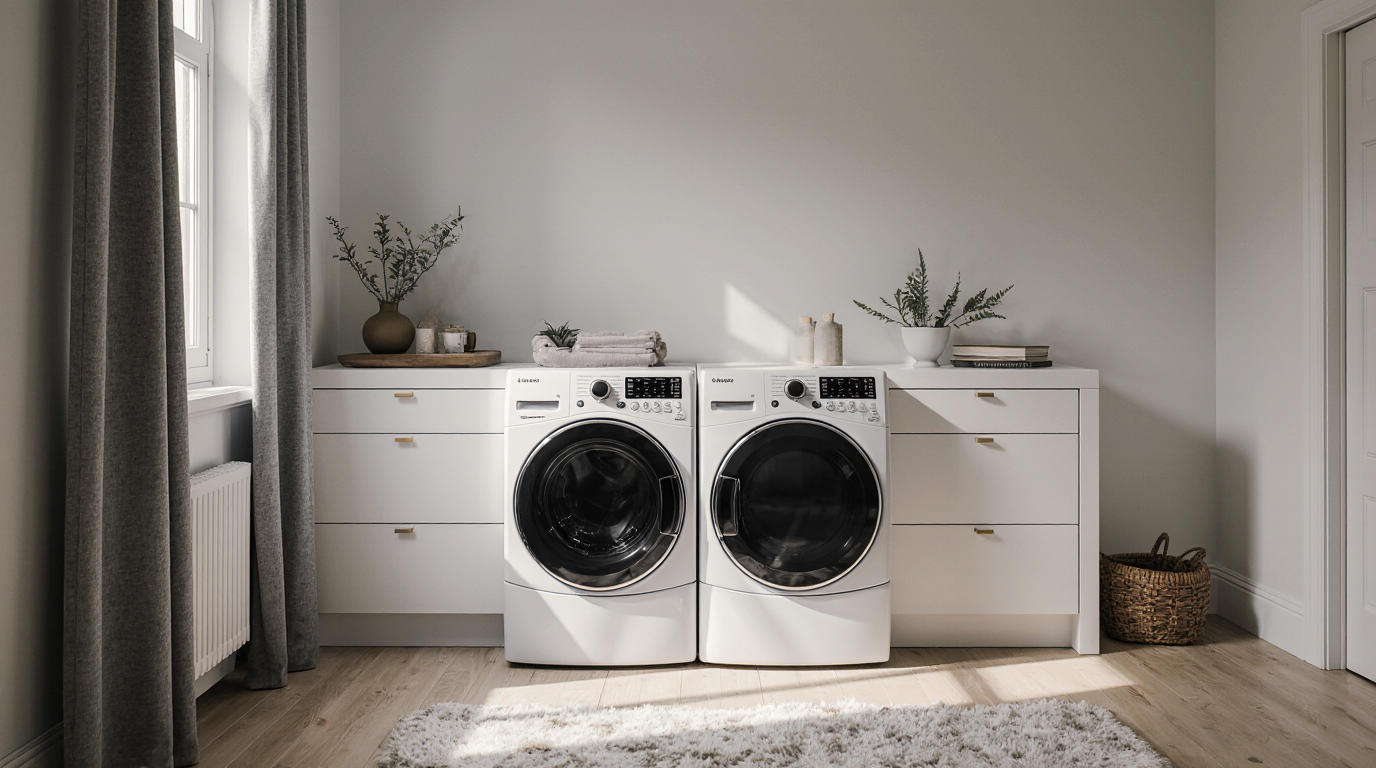
The contemporary laundry room has become much more than a mere chore spot; it is far removed from the basic utility closet housing basic washers and dryers. In the current home design landscape, it serves as an essential nexus, a room requiring careful structural consideration and sophisticated interior design. The goal for an upscale laundry area involves fusing ergonomic efficiency with luxurious visual appeal, turning a necessary task into a surprisingly pleasant experience. This shift requires careful initial conceptualization, starting with the fundamentals of space utilization and the thoughtful specification of durable, beautiful components.
A significant element that separates between a standard area and a luxurious destination is the dedication to bespoke millwork. Dismiss generic, readily available storage units; an upscale laundry area features floor-to-ceiling units crafted from premium solid woods or durable, moisture-resistant MDF with sophisticated finishes. Think deep, shaker-style doors, clever built-in laundry baskets that keep clothing out of sight, and specialized drawers designed to hold detergents, stain removers, and ironing accessories in an tidy, protected configuration. The selection of knobs and pulls is instrumental in defining opulence; choosing sleek finishes like aged bronze, satin brass, or dark iron handles adds an immediate layer of sophistication and richness.
The specifying the benchtop is a critical stage where practicality intersects with visual appeal. Despite the low cost of composite tops, real refinement requires natural or engineered stone such as quartz, granite, or even marble, provided they are meticulously treated to resist moisture penetration. Such premium materials ensure longevity, are easy to clean, and deliver a continuous, generous workbench for processing laundry—a major factor in a user-friendly layout. A deep, under-mount utility sink, often paired with an industrial-inspired, gooseneck tap in a complementary metal finish, contributes to a sense of competent design while ensuring a tidy, unencumbered appearance.
The impact of illumination is often overlooked but is vital for both utility and aesthetic quality. A sophisticated wash area rejects the outdated idea of one central, bright light. Rather, the design employs a combination of light sources. This typically begins with bright, high-CRI (Color Rendering Index) overhead fixtures to allow for precise differentiation between different garment shades. This is supported by hidden, low-profile lighting along the work surfaces to cast a perfect light across the countertop, preventing dark spots. For a moment of aesthetic interest, think about suspending an elegant mini-chandelier over the utility area, treating it as a jewel in the room.
The material selected for the floor significantly influences the room’s character. While practical considerations like water resistance are paramount, the design potential must be fully realized. Oversized ceramic planks designed to replicate the texture of quarry stone or dark wood, often in water-resistant engineered forms, offer a clean, continuous flow across the floor. If the design calls for a greater sense of craftsmanship, ornate mosaic arrangements provide a vintage or bespoke appeal that elevates the room to a new level of style. The seams must be discreetly sized or perfectly tinted to the surface material to ensure a uniform appearance.
Appliance integration is where modern design truly shines. Rather than having freestanding machines dominate the visual field, ensure they are enclosed by paneling that suggests an integrated cabinet piece. To achieve the highest level of refinement, think about vertically orienting the washer and dryer when floor area is limited, or selecting contemporary, eye-level models installed in a linear formation. The trend toward smart appliances that offer app-controlled cycles and energy monitoring contributes not only to convenience but also to a more technologically advanced, curated environment.
Think vertically for storage efficiency. Beyond the standard upper cabinets, include a space-saving retractable clothesline system and is hidden completely when its function is complete. Convenient clothes poles mounted below the cabinetry allow for immediate hanging of delicate items or shirts straight from the steam cycle, minimizing wrinkles and the need for ironing time—a noticeable enhancement to the chore process. For minor essentials, built-in compartments for lost socks, fabric softener sheets, and clips provide the ultimate touch of systematic arrangement.
The atmosphere of an elegant laundry room should promote a sense of calm, not chaos. This is established by a careful and intentional scheme of hues. Subtle beiges, gentle taupes, pale greens, or rich navy shades provide a backdrop of understated luxury. Visual interest is often added through soft furnishings, such as a woven floor mat featuring an attractive print from a resilient, flat-weave fabric, or through the inclusion of decorative baskets made of natural materials like wicker or woven seagrass. These elements soften the hard lines of the machinery and cabinetry, contributing a feeling of tactile richness and a hint of calming retreat.
It is vital to incorporate small features that express individuality and acknowledge its purpose while maintaining a sophisticated veneer. A small, built-in ironing station that slides out from a narrow cabinet or a dedicated, ventilated area for storing an upright garment steamer reflects an unwavering dedication to user experience. The inclusion of small, beautiful objects—a piece of artwork, a fragrant diffuser, or a small vase of fresh or high-quality faux botanicals—indicates that the space has been styled with the same care as the main residential zones. This all-encompassing philosophy, blending efficiency with aesthetic excellence, is the blueprint for creating a truly unforgettable and elegant laundry room that contributes significantly to the overall value of the home.