The contemporary laundry room has developed into a dedicated design statement; it is decisively not just a small, noisy corner housing noisy appliances. Presently, this area functions as a key component of the residence, a zone that calls for meticulous design harmony and high-level aesthetic refinement. The goal for an upscale laundry area involves fusing ergonomic efficiency with luxurious visual appeal, transforming required work into a more delightful process. This shift requires careful initial conceptualization, focused on the basics of efficient spatial layout and the intentional choosing of top-tier finishes.
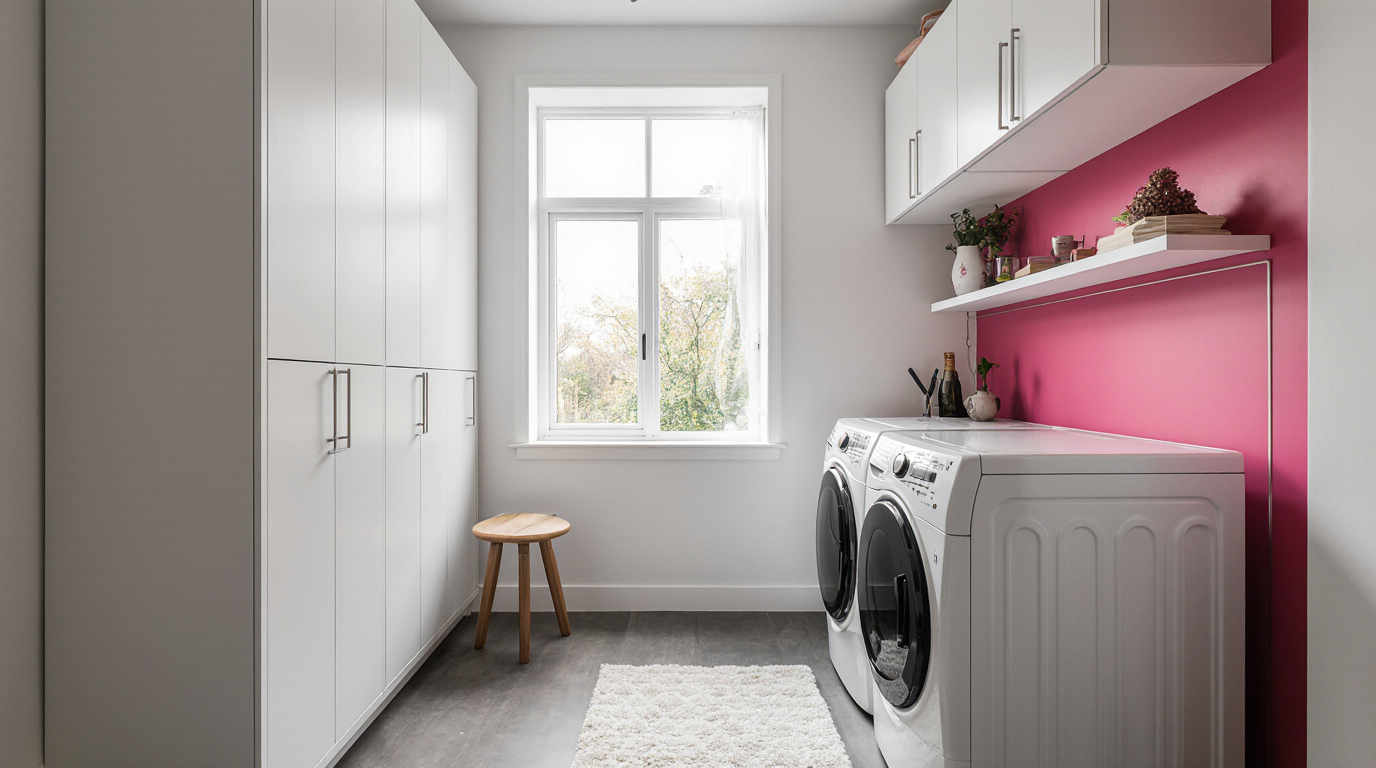
A key distinguishing factor between a basic utility room and a truly refined one is the commitment to custom cabinetry. Move beyond standard, mass-produced cabinets; an elegant utility room incorporates custom vertical cabinetry crafted from high-quality hardwoods or robust, specialized engineered wood with sophisticated finishes. Imagine substantial, classic recessed panel doors, integrated pull-out hampers that conceal dirty linens until wash day, and specialized drawers designed to hold detergents, stain removers, and ironing accessories in an orderly, sealed environment. The metal fixtures are vital for expressing the room's high value; opting for brushed nickel, matte black, or polished brass drawer pulls and knobs instantly elevates the room’s perceived value and style.
The surface material choice represents a further opportunity where material science meets design flair. While laminate is cost-effective, true elegance is achieved with solid surfaces such as engineered stone, natural slate, or polished concrete, provided they are correctly protected from inevitable splashes and spills. These surfaces offer durability, are simple to maintain, and create a broad, seamless area ideal for garment preparation—a key component of ergonomic design. A substantial, seamlessly integrated basin, potentially finished with a professional-grade, pull-down sprayer fixture in a matching hardware tone, brings an element of high-functioning utility while preserving the room’s sleek visual coherence.
Lighting design is frequently underestimated but is essential for task performance and mood creation. A sophisticated wash area rejects the outdated idea of one central, bright light. The focus shifts to a strategy of diversified illumination. This usually starts with powerful, color-accurate recessed ceiling lights to allow for precise differentiation between different garment shades. This is enhanced with subtle linear task lighting placed beneath the upper units to illuminate the folding surface evenly, preventing dark spots. For a small artistic flourish, consider installing a small, decorative pendant light over the sink area, allowing it to serve as a stylish accessory.
The choice of flooring dictates much of the room's overall feel. Despite the primary need for a water-safe and resilient surface, the visual contribution must be carefully managed. Oversized ceramic planks designed to replicate the texture of quarry stone or dark wood, often in water-resistant engineered forms, deliver an uninterrupted visual plane that makes the room feel larger. To infuse the space with a distinct, hand-finished quality, ornate mosaic arrangements provide a vintage or bespoke appeal that elevates the room to a new level of style. The seams must be discreetly sized or perfectly tinted to the surface material to ensure a uniform appearance.
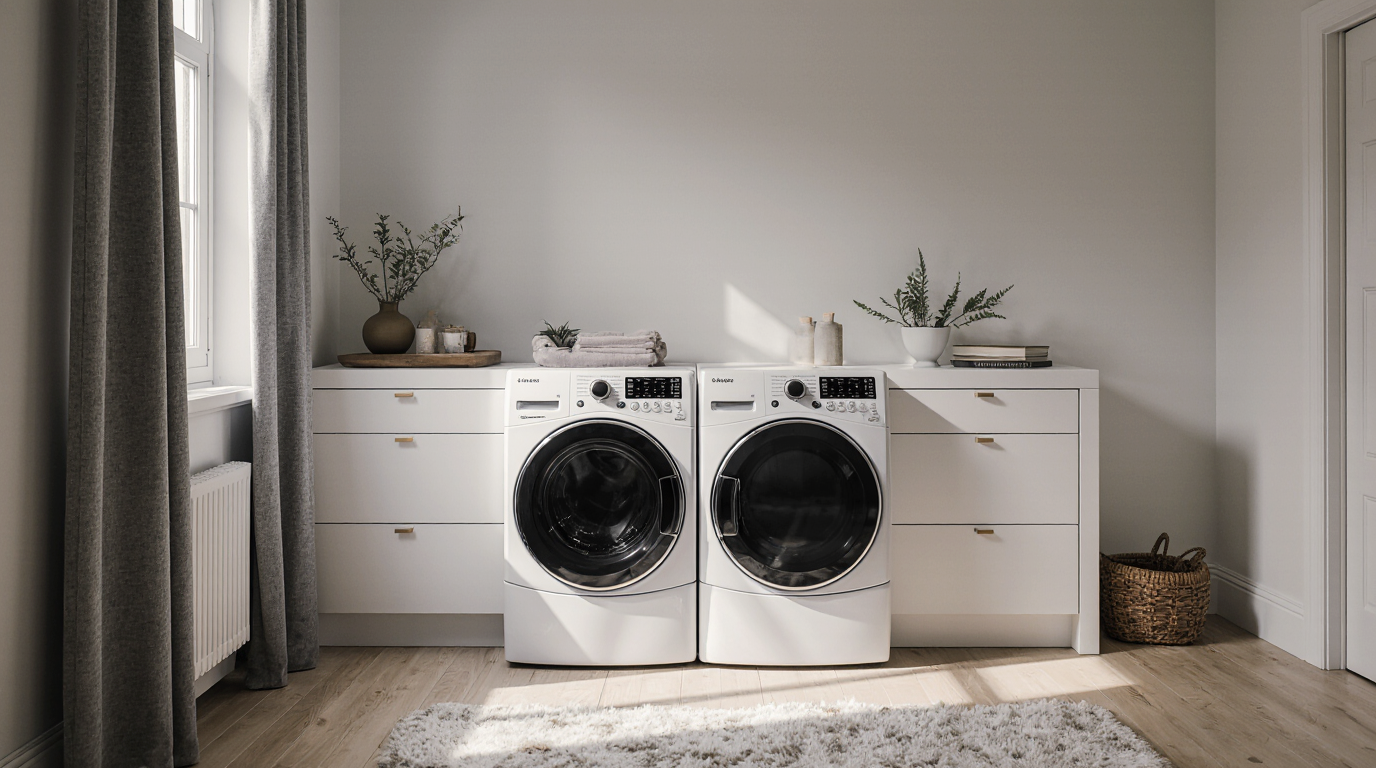
Appliance integration is where modern design truly shines. Instead of letting the washer and dryer become the room’s main focus, consider housing them within custom millwork that creates a built-in furniture effect. For maximum sophistication, specify vertically arranged appliances to conserve precious square footage, or opting for sleek, front-loading models arranged side-by-side. The shift to technologically advanced equipment with smartphone integration and efficiency reports adds significantly more than mere ease of use but also to a more technologically advanced, curated environment.
Utilize the upward dimension to boost capacity. Beyond the standard upper cabinets, incorporate features like a sliding drying rack that drops down from the ceiling when needed and retracts flush when not in use. Dedicated hanging rods beneath upper cabinets facilitate the quick transfer of pressed or delicate garments, cutting down on necessary post-laundry finishing work—a noticeable enhancement to the chore process. For minor essentials, built-in compartments for lost socks, fabric softener sheets, and clips provide the ultimate touch of systematic arrangement.
The atmosphere of an elegant laundry room should promote a sense of calm, not chaos. This is established by a careful and intentional scheme of hues. Warm neutrals, soft grays, muted blues, or deep charcoal tones create a foundation of quiet sophistication. Accents can be introduced through textiles, such as a patterned runner rug made of durable, low-pile material, or through the inclusion of decorative baskets made of natural materials like wicker or woven seagrass. Such touches provide a counterpoint to the rigid shapes of the appliances and built-ins, infusing the space with material variety and a sense of peaceful escape.
Always pay attention to the finishing elements that make the room unique and embrace its function without being overtly utilitarian. A compact, fold-down pressing board discreetly hidden in a custom drawer or a niche for the vertical fabric refresher with appropriate air circulation demonstrates a focus on comprehensive functionality. The inclusion of small, beautiful objects—a piece of artwork, a fragrant diffuser, or a small vase of fresh or high-quality faux botanicals—signals that this room is treated with the same design consideration as the living areas of the home. This comprehensive strategy, uniting practical design with premium material application, serves as the model for achieving a highly memorable and upscale utility space that acts as a valuable and functional extension of the property.