Tailored Bathroom Elegance: Comprehensive Insights into Custom Vanity Costs
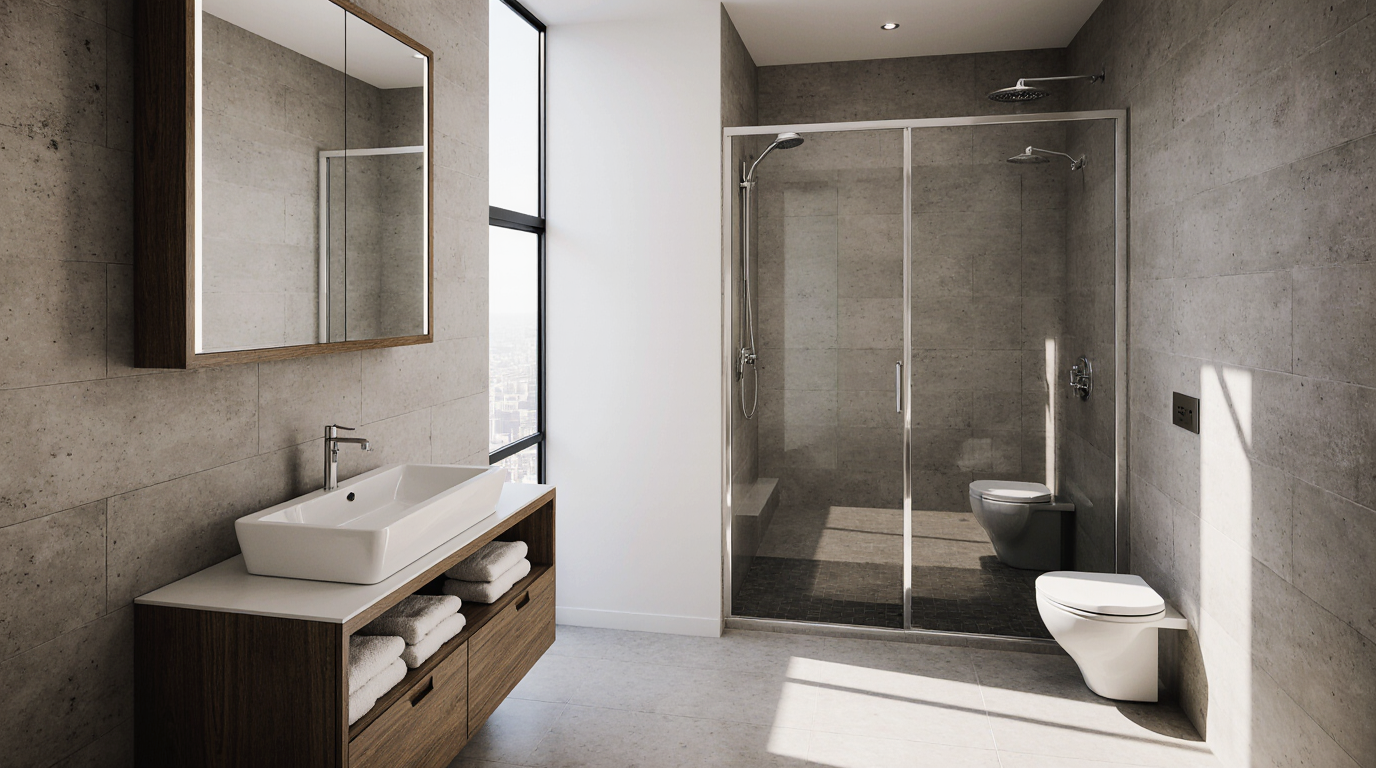
When planning a bathroom renovation, understanding the custom vanity cost is crucial to achieving a space that blends functionality with luxurious design. More than mere cabinetry, a custom vanity becomes the centerpiece of the bathroom, defining the ambiance with a mix of sophistication, usability, and comfort. Unlike pre-fabricated vanities, a custom bathroom vanity allows homeowners to select every detail, from materials and finishes to dimensions and hardware, ensuring a perfect fit for both style and space. Choosing a custom vanity emphasizes durability and individualized design, favoring long-term quality over cheaper, mass-manufactured solutions.
Custom vanity pricing fluctuates widely based on the choice of materials, dimensions, intricacy of design, and skill of the craftsman. Hardwoods like oak, maple, and walnut are favored for custom vanities thanks to their strength, longevity, and classic aesthetic. Different hardwood types allow a range of finishes and grains, each capable of harmonizing with varied design schemes. Engineered woods offer a cost-effective solution while maintaining durability, though they may lack the premium feel and aesthetic richness of natural wood. The material selection directly impacts the final price, and homeowners often balance aesthetics with cost to achieve a refined, practical solution.
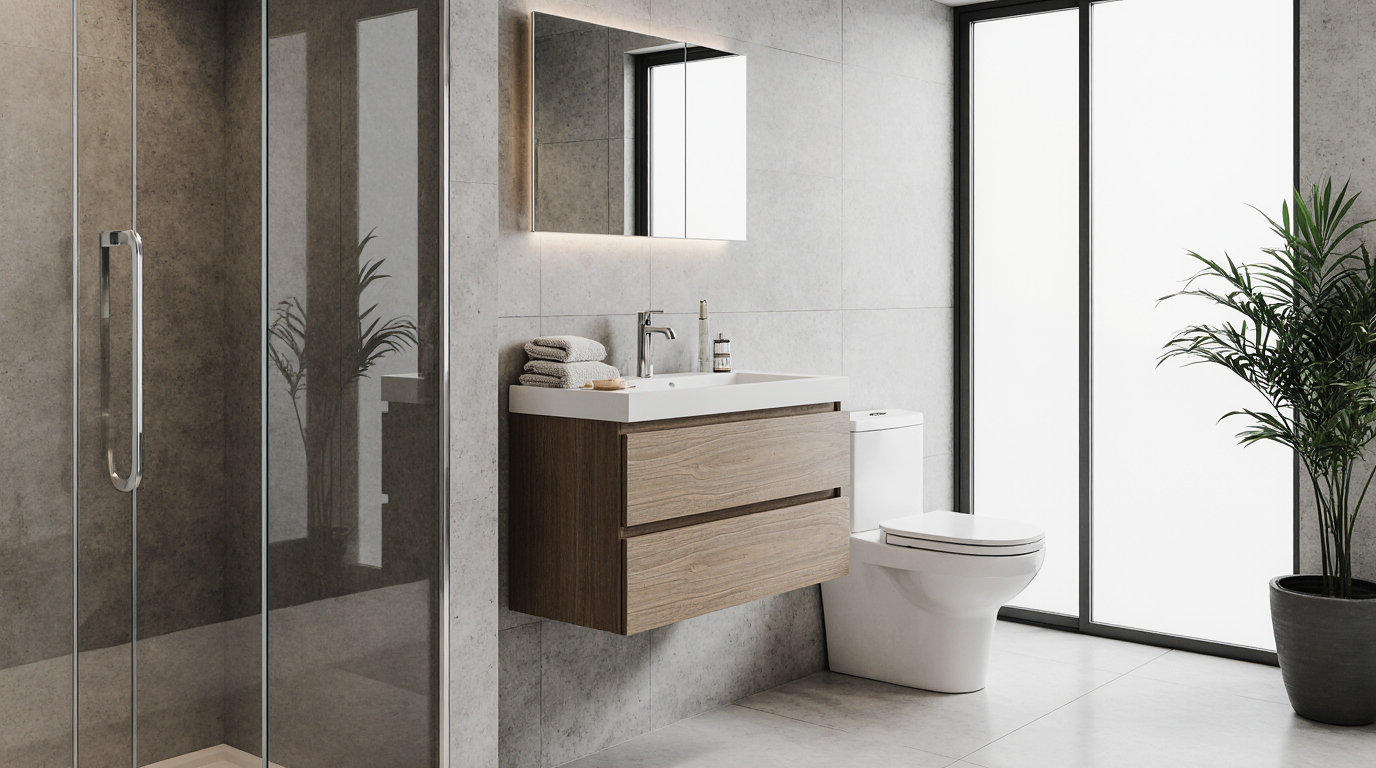
Tailored vanities provide absolute freedom in planning storage and design, maximizing spatial efficiency in small or large bathrooms. Custom designs can incorporate specialized drawers, open shelves, or hidden compartments to suit lifestyle requirements. Integrated organizers allow meticulous arrangement of essentials, keeping countertops clear and items easily reachable. High-end vanities often include features such as under-sink storage, extendable trays, or soft-close mechanisms, blending luxury with functionality. The added functionality and bespoke detailing of custom vanities frequently validate their higher price by merging utility with refined style.
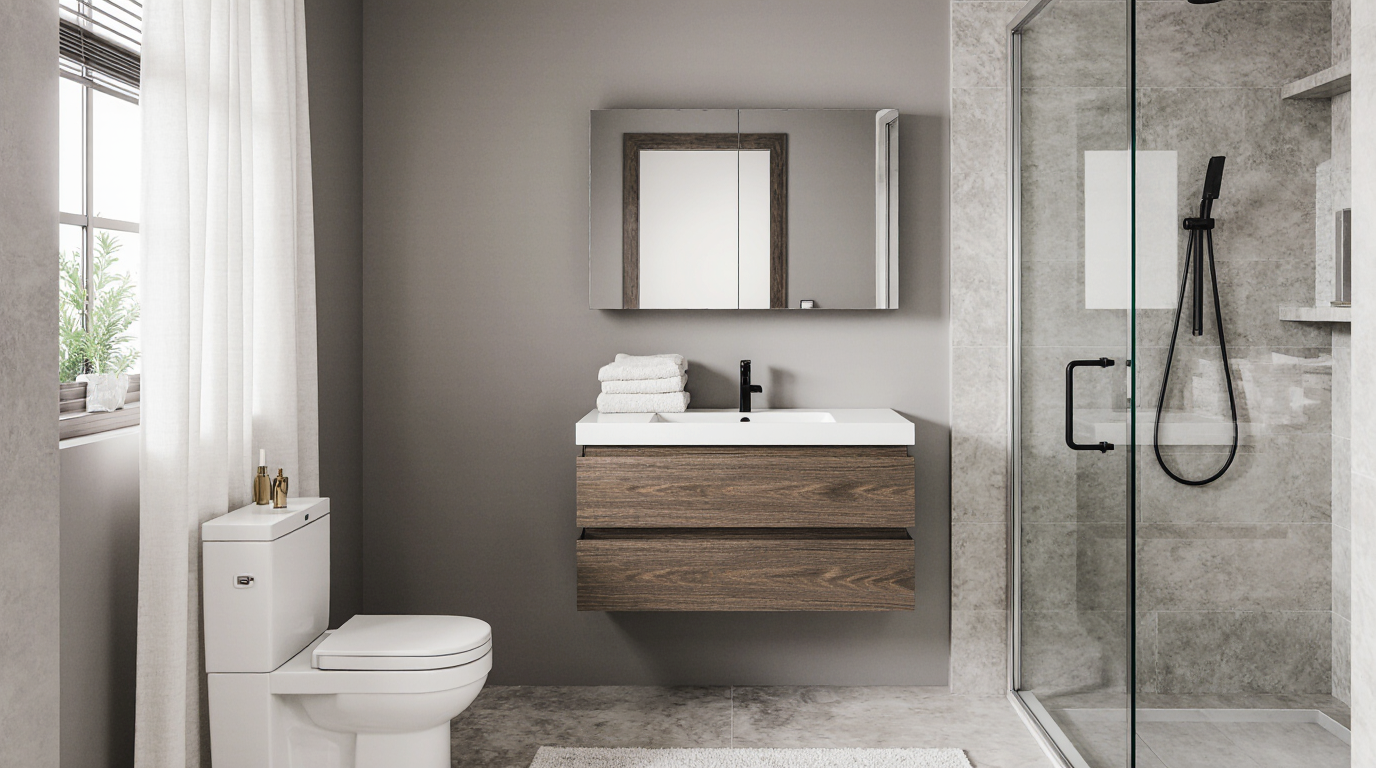
In addition to material and layout choices, hardware and finishes play a significant role in the overall custom vanity cost. Drawer and cabinet hardware, including knobs, pulls, and faucets, have the power to define the vanity’s style—modern, classic, or hybrid. Brass, stainless steel, and matte black finishes remain popular due to their durability and ability to coordinate with various bathroom themes. Countertop materials—from luxurious marble and granite to versatile quartz, concrete, or eco-friendly recycled glass—affect the final investment. Material selection impacts maintenance, feel, and aesthetics, letting homeowners craft a vanity that is visually striking and functionally resilient.
Professional installation heavily influences overall costs when integrating a custom vanity. Unlike standard pre-assembled units, custom vanities require precise measurements, professional fabrication, and expert installation to ensure seamless integration into the bathroom space. Artisan builders construct each element meticulously, from drawers to panels, ensuring perfect cohesion. Additional labor such as plumbing and structural changes may be required, especially for double vanities or wall-mounted designs. While the labor costs are higher compared to off-the-shelf options, the investment ensures a flawless finish and enhanced durability, making the expense worthwhile for those seeking a long-lasting, visually striking centerpiece.
A tailored vanity enhances the visual appeal and potential resale value of a home. Homes featuring elegant, meticulously crafted bathrooms tend to capture buyer interest and command higher prices. The presence of a custom vanity communicates sophistication and careful planning, enhancing overall bathroom attractiveness. Cleverly built vanities improve organization, space perception, and elevate the comfort of the bathroom environment. Homeowners considering resale value should view the investment in a custom vanity as both a practical and strategic upgrade.
Choosing a bespoke vanity opens avenues for style, function, and feature customization. Lighting accents, mirrored surfaces, and tech-enabled features can elevate both appearance and everyday usability. LED under-cabinet lighting, for instance, creates a soft ambient glow while highlighting architectural details, adding a touch of sophistication to the bathroom. Tailored vanities can align with flooring, walls, and shower styles to produce a unified, elegant bathroom aesthetic. Such attention to detail elevates the overall design, transforming the bathroom from a utilitarian space into a relaxing sanctuary.
Knowing how expenses divide between materials, labor, and design aids in effective vanity budgeting. The majority of expenditure lies in raw materials, with expert labor and additional customizations shaping the final price. Balancing basic necessities with premium elements allows for a practical yet aesthetically refined vanity. While it is possible to reduce costs by selecting less expensive materials or simplified designs, it is important not to compromise on structural integrity or functional efficiency, as these aspects contribute to long-term satisfaction.
Engaging professionals ensures cost-effective decisions while maintaining aesthetic integrity. Designers offer crucial input on materials, spacing, and technical integration to meet both functional and visual objectives. Custom vanities represent a blend of artistry, engineering, and functionality, and a well-executed design enhances daily routines while elevating the overall ambiance of the space.
Investing in a custom vanity offers homeowners the opportunity to create a truly personalized bathroom experience. Every decision, from high-end materials to creative storage and lavish features, builds a bathroom that balances elegance with practicality. Attentive consideration of every design element secures both usability and enduring aesthetic appeal. Ultimately, the bathroom becomes a harmonious, stylish, and efficient sanctuary.