Custom Vanity Cost: A Complete Guide to Transforming Your Bathroom with Tailored Elegance
When planning a bathroom renovation, understanding the custom vanity cost is crucial to achieving a space that blends functionality with luxurious design. Beyond simple storage, a tailored vanity functions as the visual anchor of your bathroom, merging aesthetic appeal with practical convenience. Custom vanities differ from mass-produced options by offering full control over design, material selection, size, and hardware, guaranteeing an ideal match for both décor and spatial requirements. Investing in a custom vanity means you are prioritizing personalized design and long-term durability over mass-produced alternatives, which often compromise quality for affordability.
The overall cost of a custom vanity can vary significantly depending on factors such as materials, size, craftsmanship, and the complexity of the design. Solid wood remains one of the most popular choices for bespoke vanities due to its durability and timeless appeal. Wood species provide unique textures and colors that homeowners can enhance with stains, paints, or varnishes to match their bathroom’s style. Engineered woods offer a cost-effective solution while maintaining durability, though they may lack the premium feel and aesthetic richness of natural wood. The material selection directly impacts the final price, and homeowners often balance aesthetics with cost to achieve a refined, practical solution.
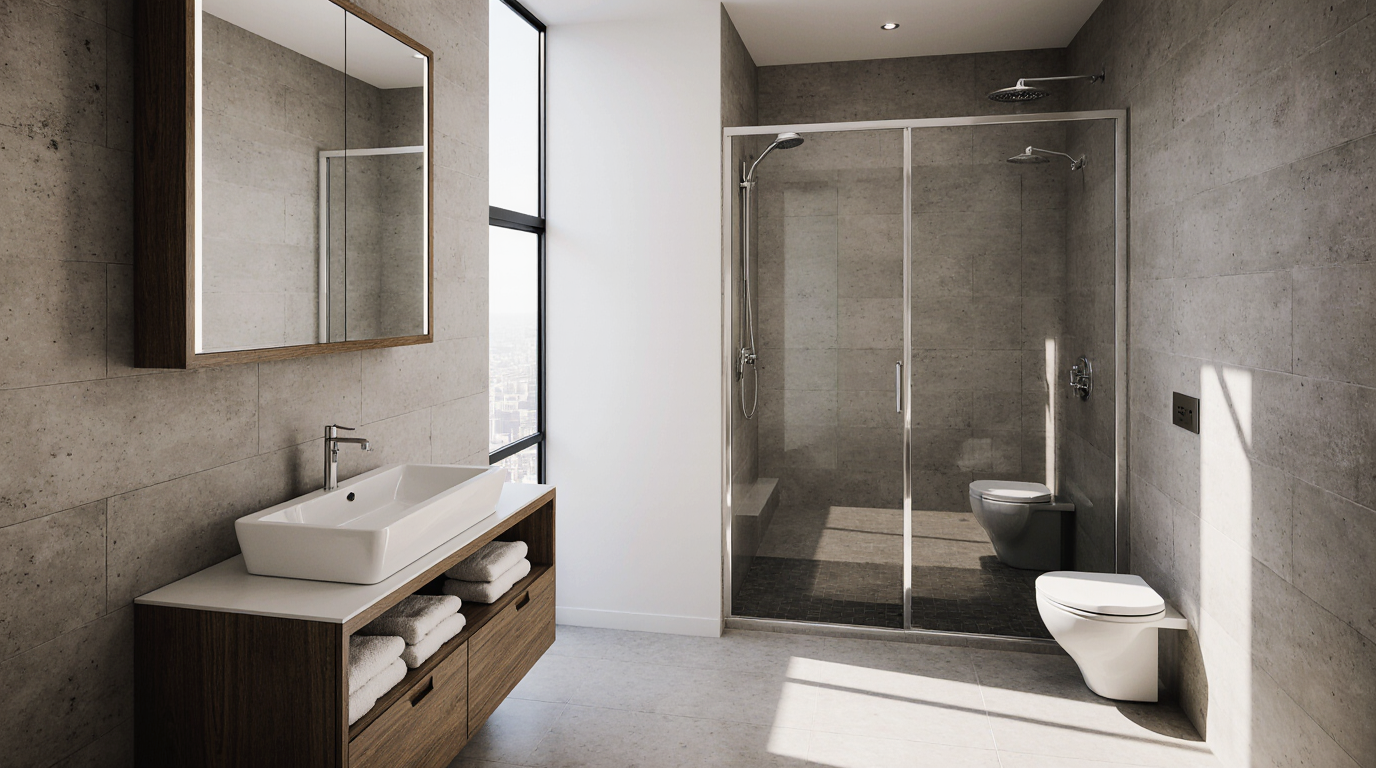
Custom vanities allow complete control over layout and functionality, an essential consideration for optimizing space in bathrooms of all sizes. Custom designs can incorporate specialized drawers, open shelves, or hidden compartments to suit lifestyle requirements. Built-in organizers can be designed to accommodate specific items such as toiletries, towels, or grooming tools, reducing clutter while enhancing accessibility. Moreover, integrated features like under-sink cabinets, pull-out trays, or soft-close drawers are standard in high-end custom vanities, contributing to both convenience and long-term usability. The added functionality and bespoke detailing of custom vanities frequently validate their higher price by merging utility with refined style.
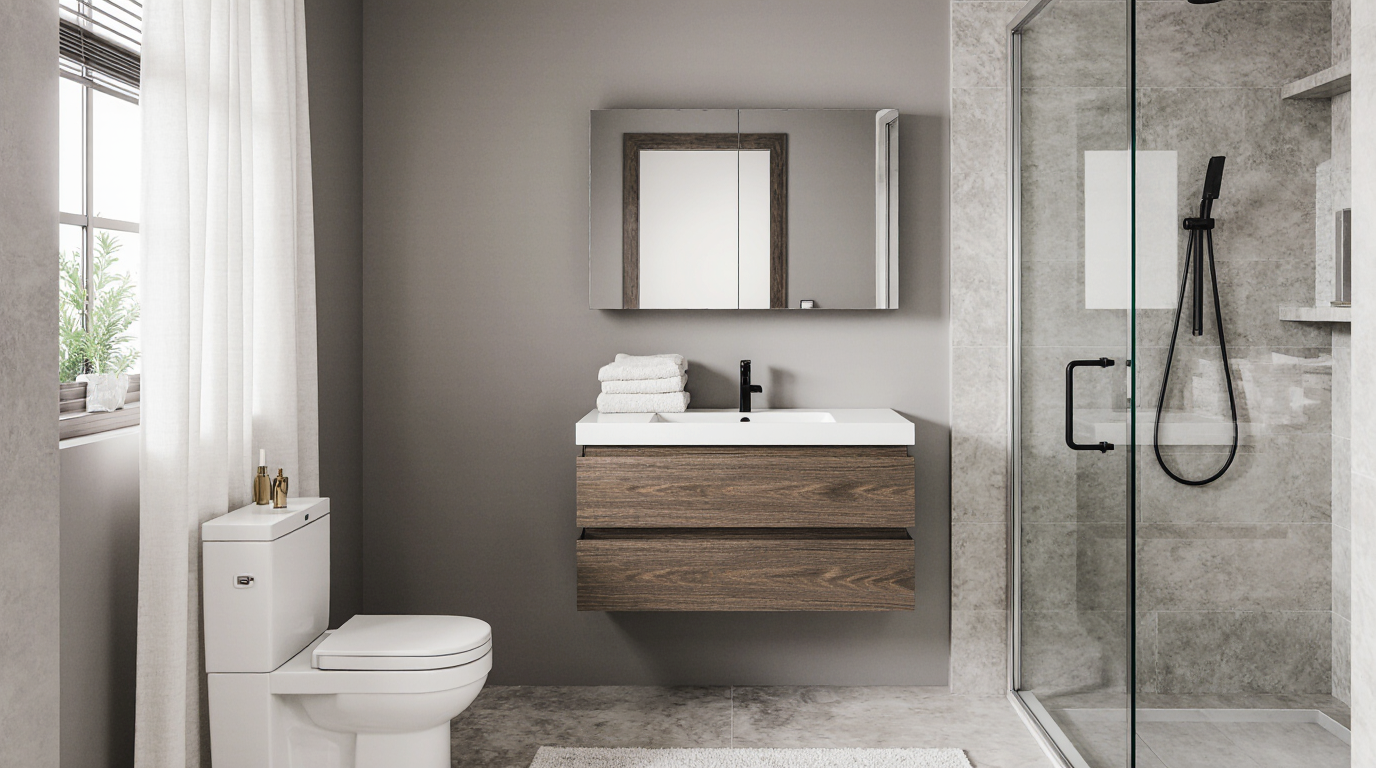
The selection of fixtures and finishing touches significantly affects the total expense of a bespoke vanity. Drawer and cabinet hardware, including knobs, pulls, and faucets, have the power to define the vanity’s style—modern, classic, or hybrid. Metal finishes like brass, stainless, and matte black are chosen for longevity and compatibility with diverse décor. Countertop materials—from luxurious marble and granite to versatile quartz, concrete, or eco-friendly recycled glass—affect the final investment. Every countertop choice brings different benefits in durability, care, texture, and appearance, enabling a balance of beauty and practicality.
Professional installation heavily influences overall costs when integrating a custom vanity. Custom vanities demand accurate measurement, skilled craftsmanship, and meticulous installation to perfectly merge with the bathroom’s layout. Artisan builders construct each element meticulously, from drawers to panels, ensuring perfect cohesion. Additional labor such as plumbing and structural changes may be required, especially for double vanities or wall-mounted designs. Though professional labor adds to the cost, it guarantees a seamless appearance, durability, and a standout bathroom centerpiece.
A tailored vanity enhances the visual appeal and potential resale value of a home. Homes featuring elegant, meticulously crafted bathrooms tend to capture buyer interest and command higher prices. The presence of a custom vanity communicates sophistication and careful planning, enhancing overall bathroom attractiveness. Cleverly built vanities improve organization, space perception, and elevate the comfort of the bathroom environment. Homeowners considering resale value should view the investment in a custom vanity as both a practical and strategic upgrade.
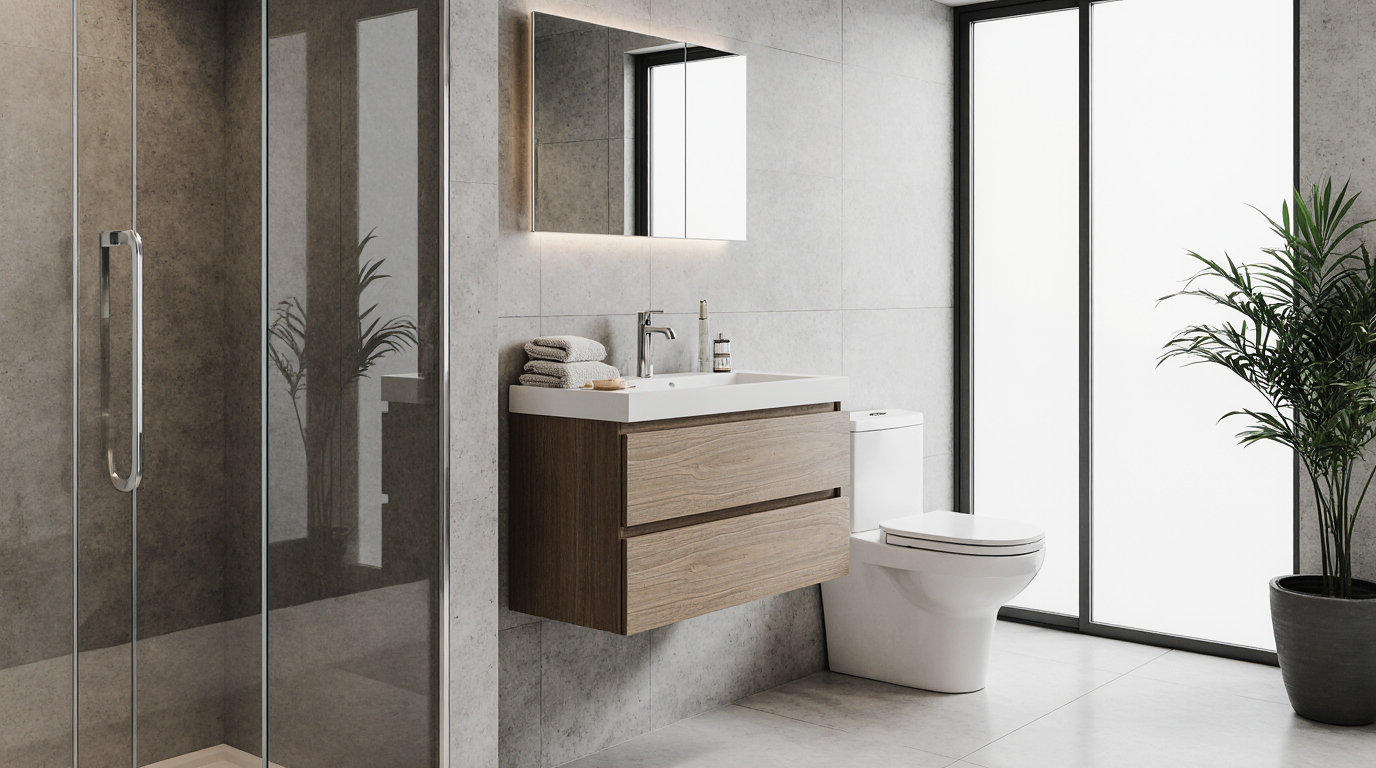
Choosing a bespoke vanity opens avenues for style, function, and feature customization. Lighting accents, mirrored surfaces, and tech-enabled features can elevate both appearance and everyday usability. LED under-cabinet lighting, for instance, creates a soft ambient glow while highlighting architectural details, adding a touch of sophistication to the bathroom. Bespoke designs can synchronize with surrounding finishes, creating a harmonious, visually pleasing atmosphere. Thoughtful design elements redefine bathrooms as spaces of comfort, elegance, and personalized style.
Knowing how expenses divide between materials, labor, and design aids in effective vanity budgeting. The majority of expenditure lies in raw materials, with expert labor and additional customizations shaping the final price. Homeowners should allocate a budget that accommodates both essentials and luxury touches, striking a balance between affordability and high-quality craftsmanship. Reducing expenses via modest design choices is feasible, yet foundational strength and operational efficiency must remain intact.
Finally, consulting with experienced bathroom designers or contractors can provide valuable insights into managing custom vanity expenses without sacrificing style or quality. Designers offer crucial input on materials, spacing, and technical integration to meet both functional and visual objectives. Tailored vanities combine craft, precision, and utility, improving everyday bathroom life and overall design coherence.
A bespoke vanity allows for a fully individualized bathroom environment. Every decision, from high-end materials to creative storage and lavish features, builds a bathroom that balances elegance with practicality. Thoughtful planning across all design and material aspects guarantees functionality, style, and lasting worth. The finished space embodies luxury, convenience, and a tailored sense of personal taste.