Personalized Custom Closets for Modern Living: Redefining Home Storage
No longer a niche luxury, a custom closet now represents a pivotal solution for those aiming to elevate storage, aesthetic appeal, and room efficiency. Unlike traditional closets that offer limited flexibility, a custom design provides a personalized approach to storage, allowing homeowners to tailor every shelf, drawer, and hanging space to their exact needs. Implementing a custom closet strategically enhances both storage capacity and the stylistic coherence of personal spaces. The true power of custom closets resides in tailoring options, from textures and shelving arrangements to finishing details that align with lifestyle and aesthetic preferences.
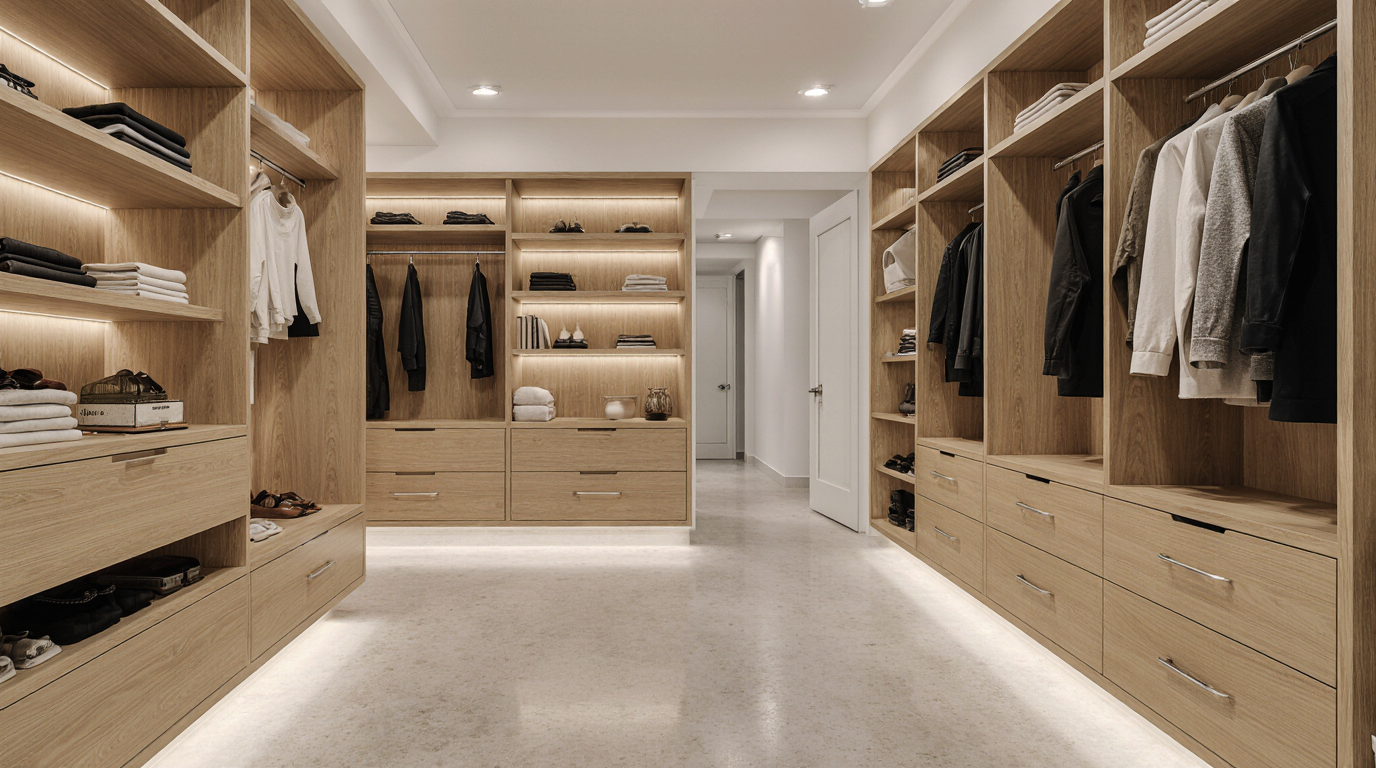
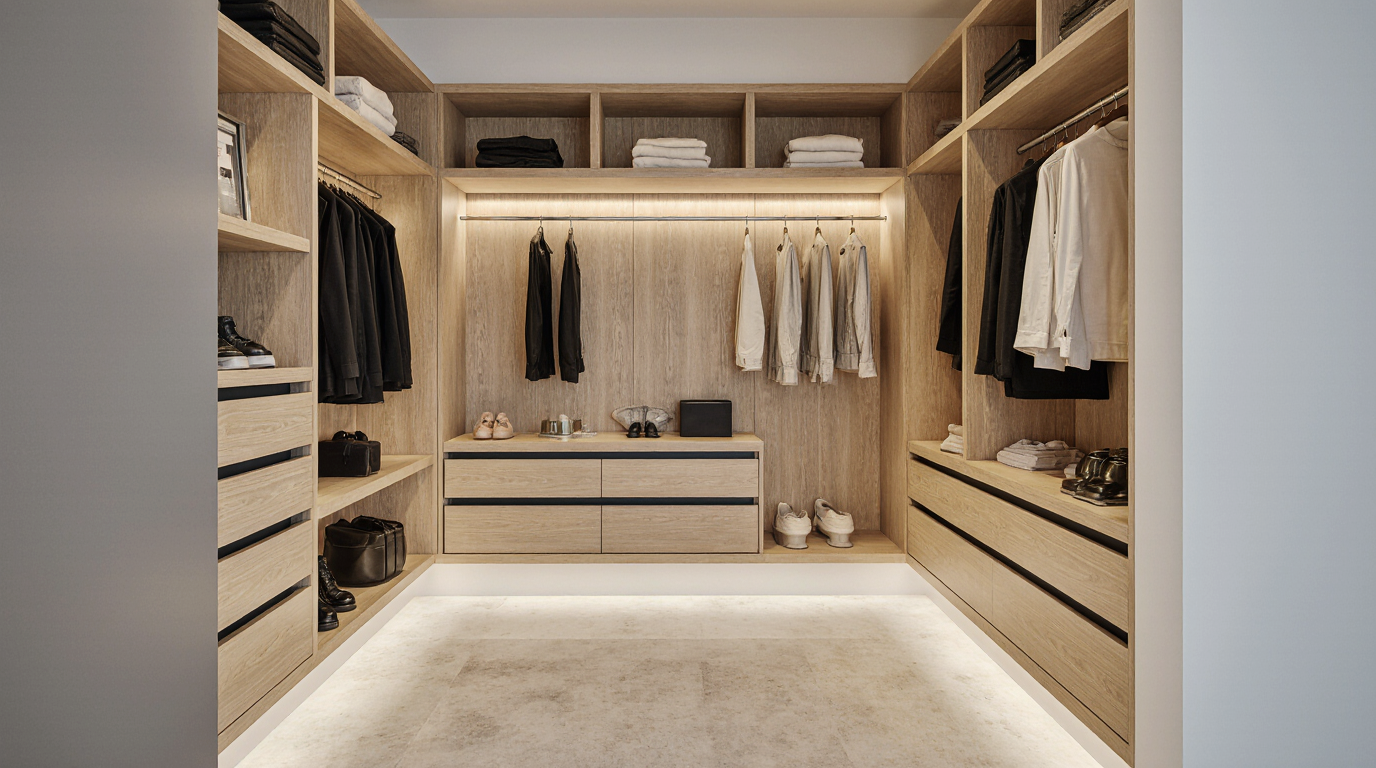
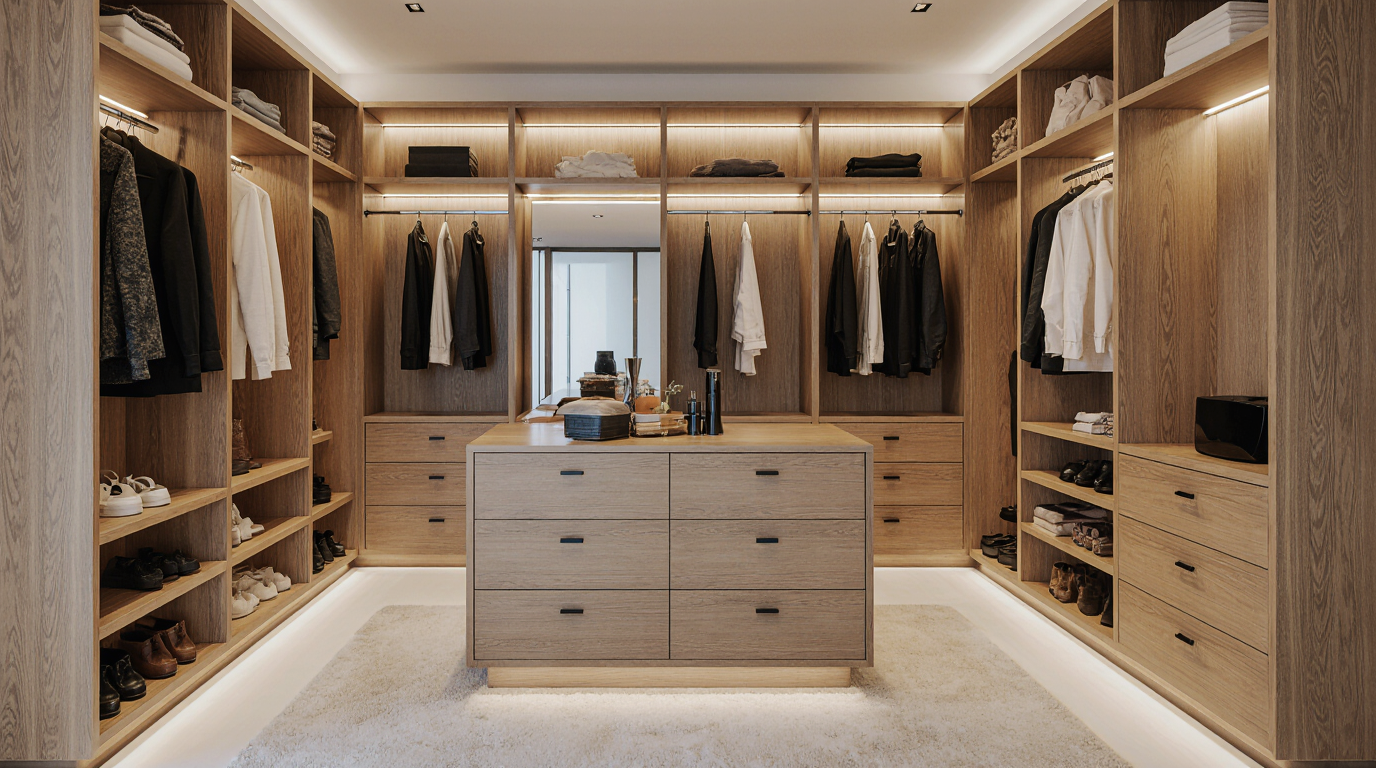
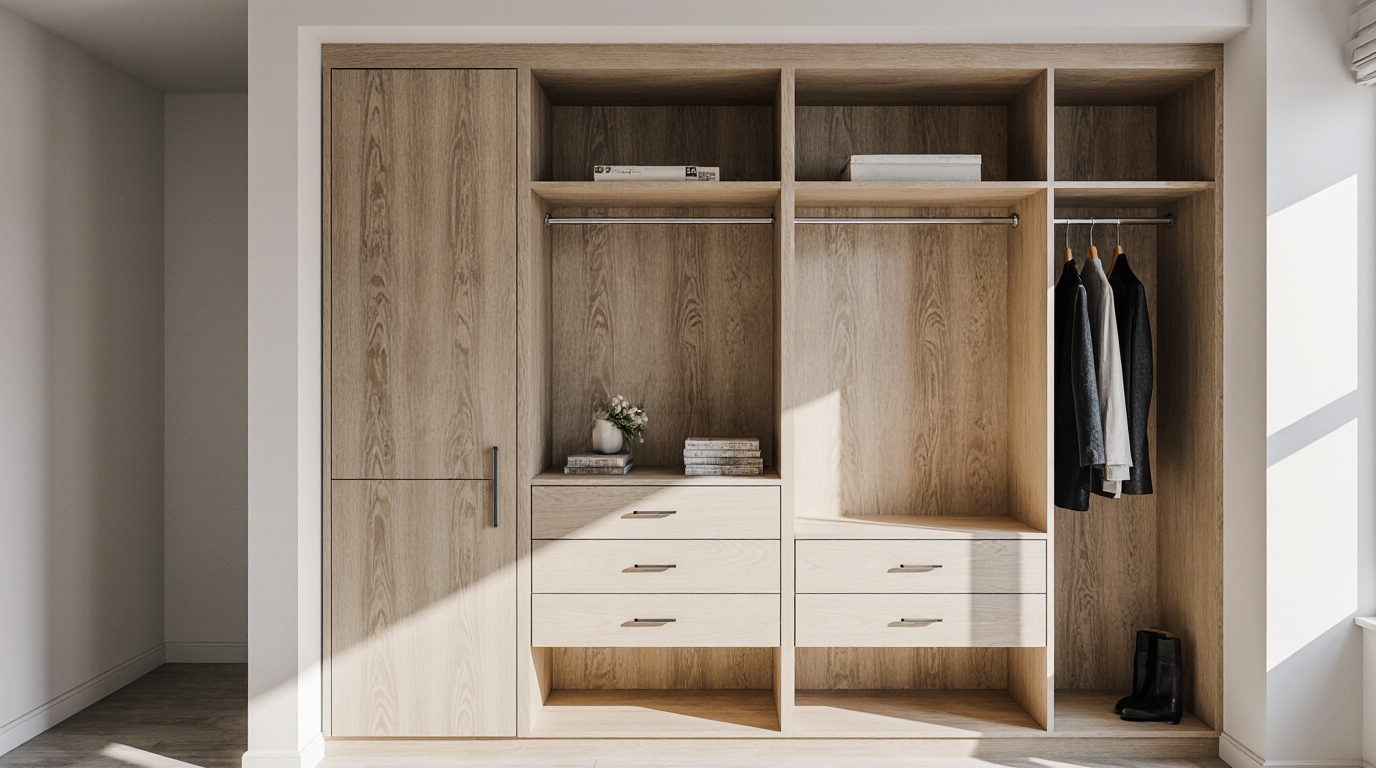
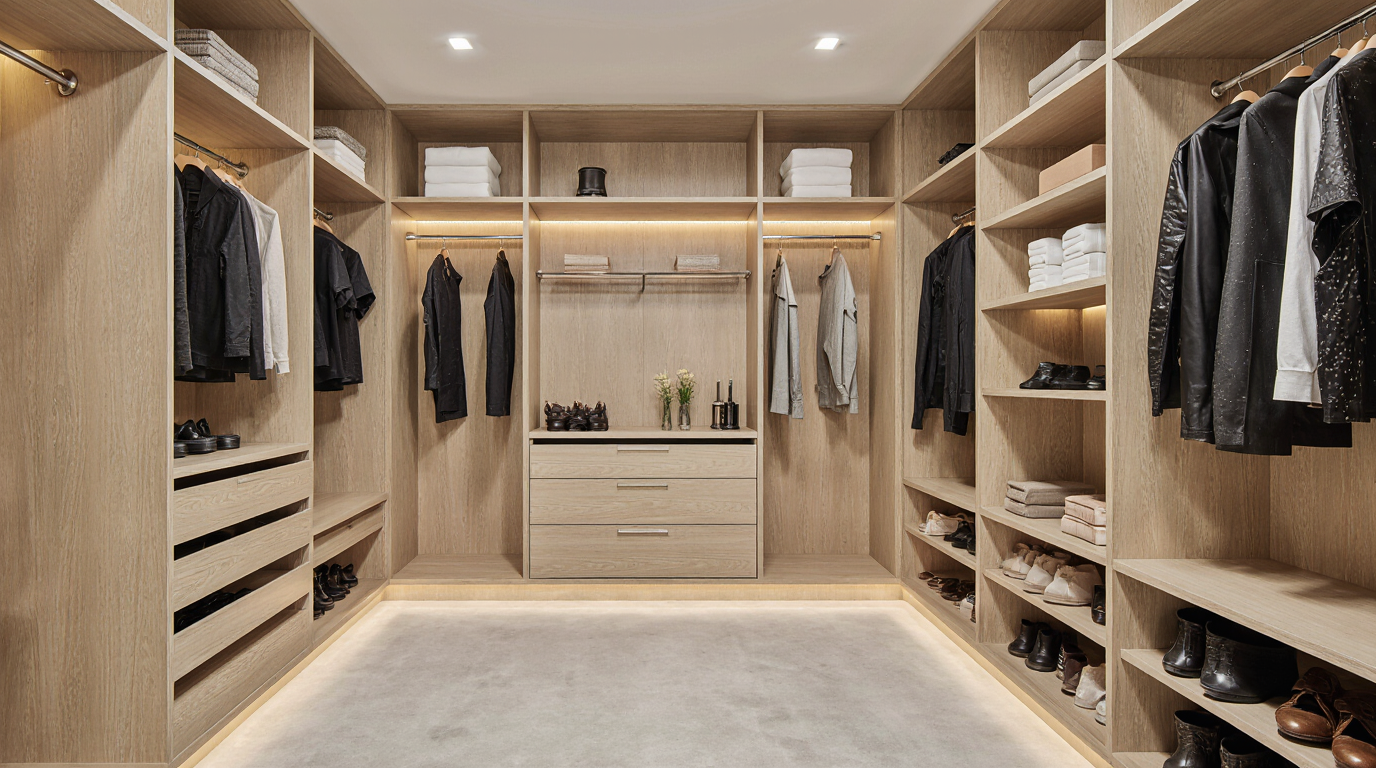
Closet remodeling remains one of the most rewarding home upgrades, merging functionality with visual elegance. Specialized designers transform storage areas into functional art by balancing practical layouts with appealing visual designs. Built-in shoe racks, pull-out drawers, adjustable shelving, and integrated lighting can transform a simple storage area into a luxurious and efficient environment. Beyond practicality, these elements enhance the visual flow of a room, creating a sense of balance and order that contributes to overall comfort and peace of mind.
Thoughtful closet design extends beyond convenience, significantly impacting market desirability and home valuation. Modern buyers consistently favor residences equipped with efficient, aesthetically pleasing storage options. Closets that balance design and functionality enhance lifestyle satisfaction while boosting resale attractiveness. Regardless of project scale, implementing a personalized closet solution ensures optimized living and long-term home enhancement. The beauty of this approach lies in the fact that it caters to both form and function — blending craftsmanship, innovation, and practicality into one cohesive design.
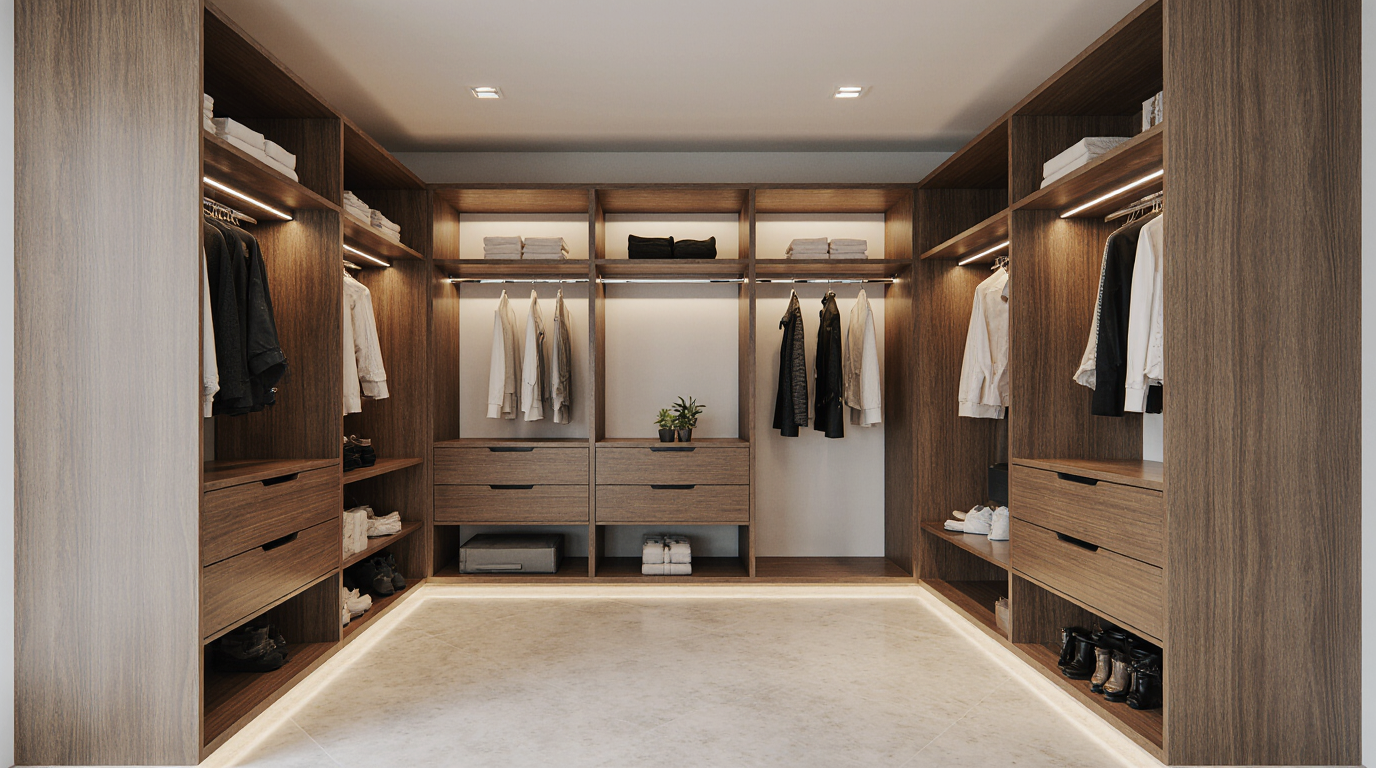
Tailored design influences every aspect of a closet, from finishes and structural elements to hardware selection. Closet materials and finishes play a major role in the overall aesthetic and durability of the space. Warm woods or contemporary laminates each shape the closet’s personality, emphasizing style and tactile quality. Sustainability considerations, including bamboo or reclaimed wood, allow homeowners to merge green practices with aesthetic refinement. Additionally, the use of high-quality hardware ensures long-lasting performance, reducing maintenance and enhancing the user experience. The goal is to create a space that not only looks stunning but also feels seamless and effortless to use.
Lighting design is another crucial factor often overlooked in closet planning. Thoughtful illumination elevates practical efficiency while reinforcing aesthetic allure and spatial clarity. Modern lighting innovations, including LEDs and motion-activated systems, offer both convenience and elegance. For larger walk-in closets, integrating task lighting around mirrors or dressing areas provides an elevated, boutique-like experience. Combining natural and artificial light elements can also help balance the mood and highlight textures, colors, and materials used in the design.
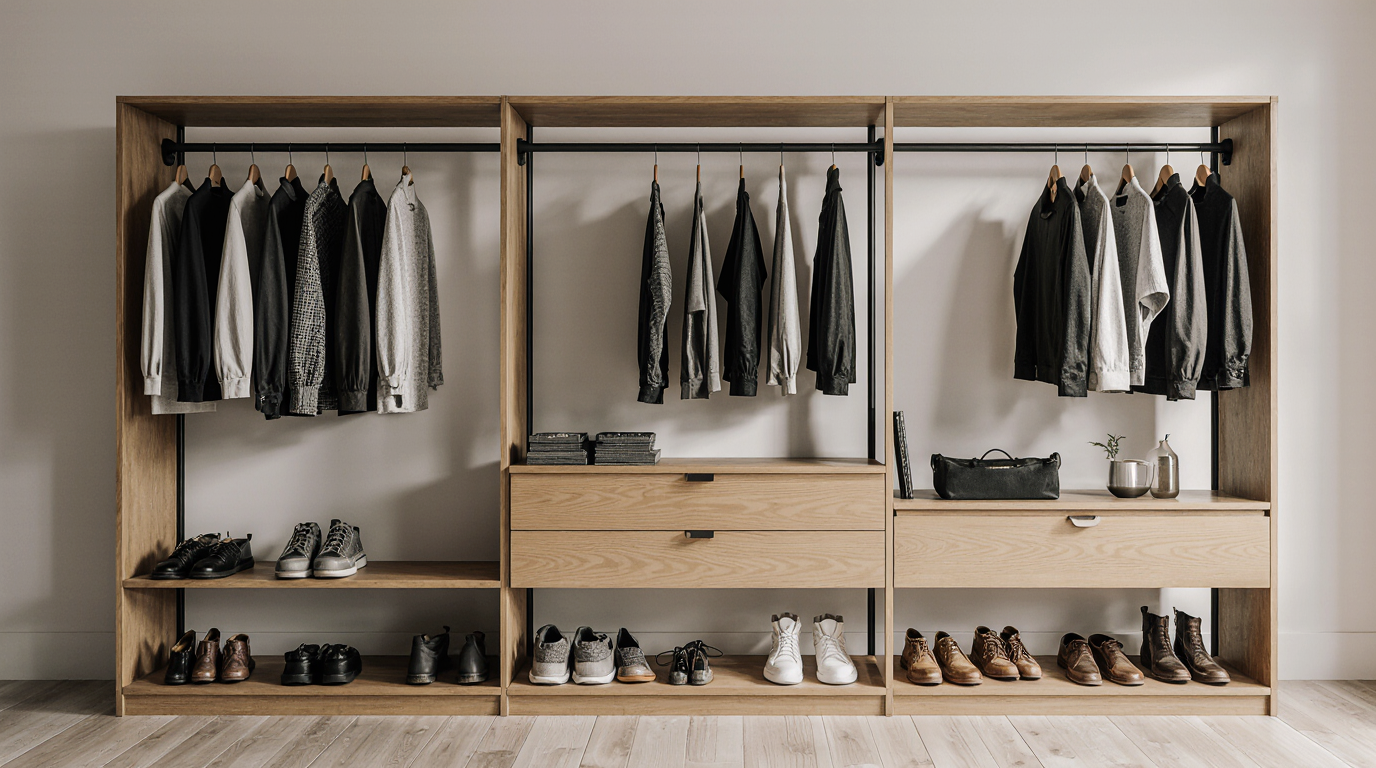
Effective organization systems transform closets into productivity-enhancing, aesthetically pleasing spaces. Purposeful design promotes organized lifestyles, enabling smoother routines and optimized storage solutions. Segmentation of clothing, shoes, and personal items enhances usability and saves time. Closet organizers can also incorporate flexible components that adapt as needs evolve, ensuring longevity and continued functionality. Customizable systems provide practical and aesthetic benefits for households of all sizes, accommodating diverse storage demands.
Closets reflect individuality, lifestyle, and emotional resonance, enhancing the homeowner’s attachment. Design choices, from color palettes to fixtures, communicate style, comfort, and luxury. Incorporating luxurious finishes, reflective surfaces, and accent furnishings creates striking, highly functional spaces. By uniting visual refinement with operational excellence, custom closets surpass generic options and set trends.
Closet innovation increasingly leverages technology to deliver precise, interactive, and efficient solutions. Clients can experience accurate digital representations, ensuring informed decisions and design satisfaction. Connected systems enhance convenience and efficiency, automating lighting, climate, and wardrobe coordination. This fusion of technology and design is redefining how people interact with their living spaces, turning closets into intelligent and interactive environments.
When planning a custom closet, collaboration with a professional designer or renovation specialist is crucial. These experts analyze floor plans, user habits, and spatial limitations to create optimized solutions. They understand the balance between storage efficiency and aesthetic harmony, ensuring that the design aligns with the home’s overall architectural style. Working with professionals also guarantees quality craftsmanship, accurate measurements, and seamless installation — factors that directly impact the final result and durability of the project.
High-quality installations improve daily routines, visual harmony, and homeowner satisfaction. Custom solutions streamline tasks, reduce friction, and create structured, stress-free environments. In today’s fast-paced world, the importance of an organized and thoughtfully designed space cannot be overstated. Custom closets epitomize modern living, integrating intelligent functionality with sophisticated aesthetics.
Custom closets transform ordinary rooms into exceptional environments through thoughtful design and execution. Cleverly executed closets convert functional areas into visually striking, highly organized environments. Whether for a small apartment or a luxury residence, the impact remains the same — increased efficiency, enhanced beauty, and a deeper connection between the homeowner and their environment. Investing in custom storage solutions transforms daily routines, spatial interaction, and personal connection with the home.