Closet Design: Transforming Spaces with Expert Kitchen Renovation Insights
Applying kitchen renovation expertise to closet design enables the creation of storage areas that are simultaneously efficient, aesthetic, and tailored to individual needs. Much like a kitchen, a closet is not merely a storage area; it is a central hub where organization, efficiency, and aesthetics converge. Closet renovations executed by professional designers mirror the detailed strategies used in kitchen remodeling, guaranteeing every element is optimized for maximum efficiency and aesthetic cohesion. Such an approach results in a transformative space that marries beauty and practicality, enhancing both routine efficiency and aesthetic satisfaction.
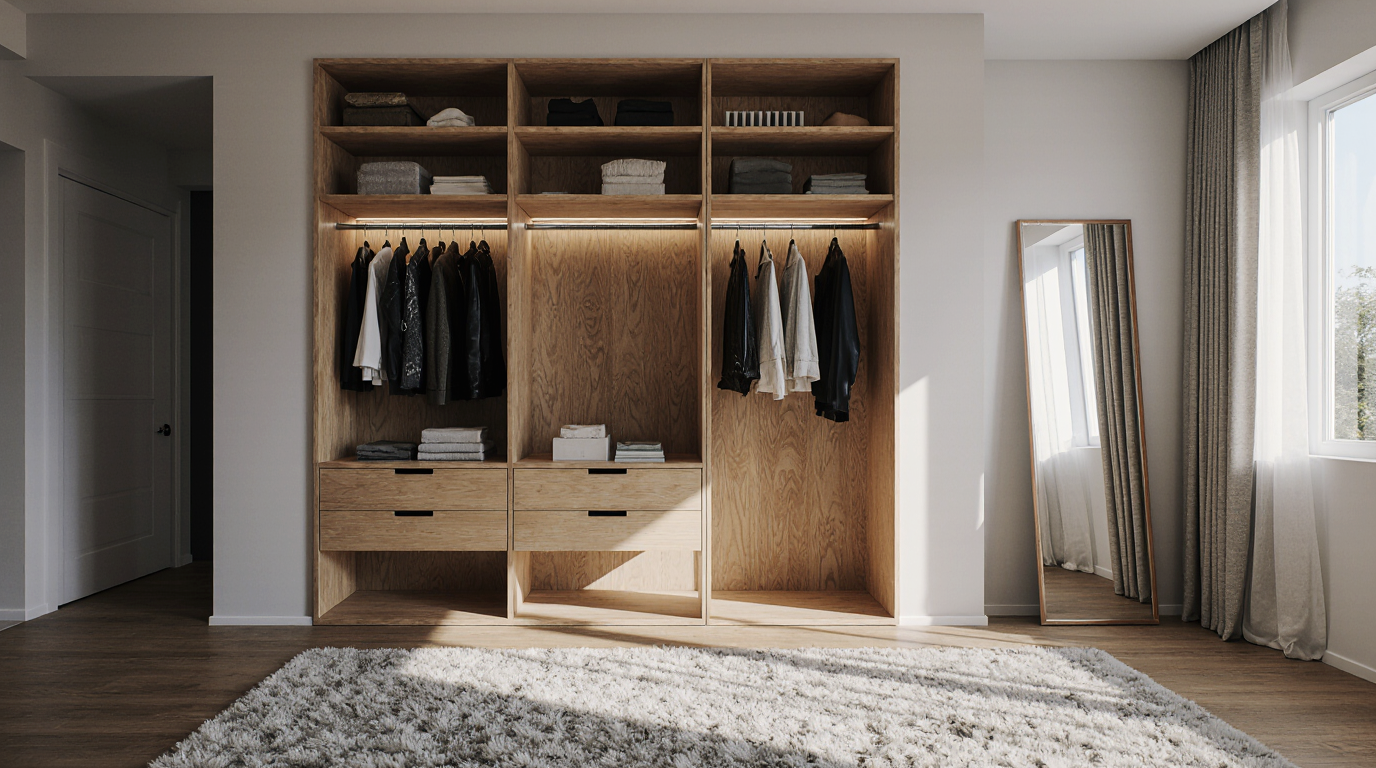
Effective closet design begins with a precise assessment of the homeowner’s lifestyle, wardrobe composition, and storage priorities. Just as a kitchen renovation begins with analyzing cooking habits, layout, and appliance placement, a closet design project starts with assessing wardrobe size, clothing types, and storage preferences. Personalized storage elements form the backbone of a practical and elegant closet system. Adjustable shelves, specialized hanging rods, and intelligently designed compartments allow for a dynamic space that adapts to changing storage needs over time. Techniques derived from kitchen renovations, such as smart space utilization and modular structuring, empower designers to elevate small closets into highly organized, multifunctional sanctuaries.
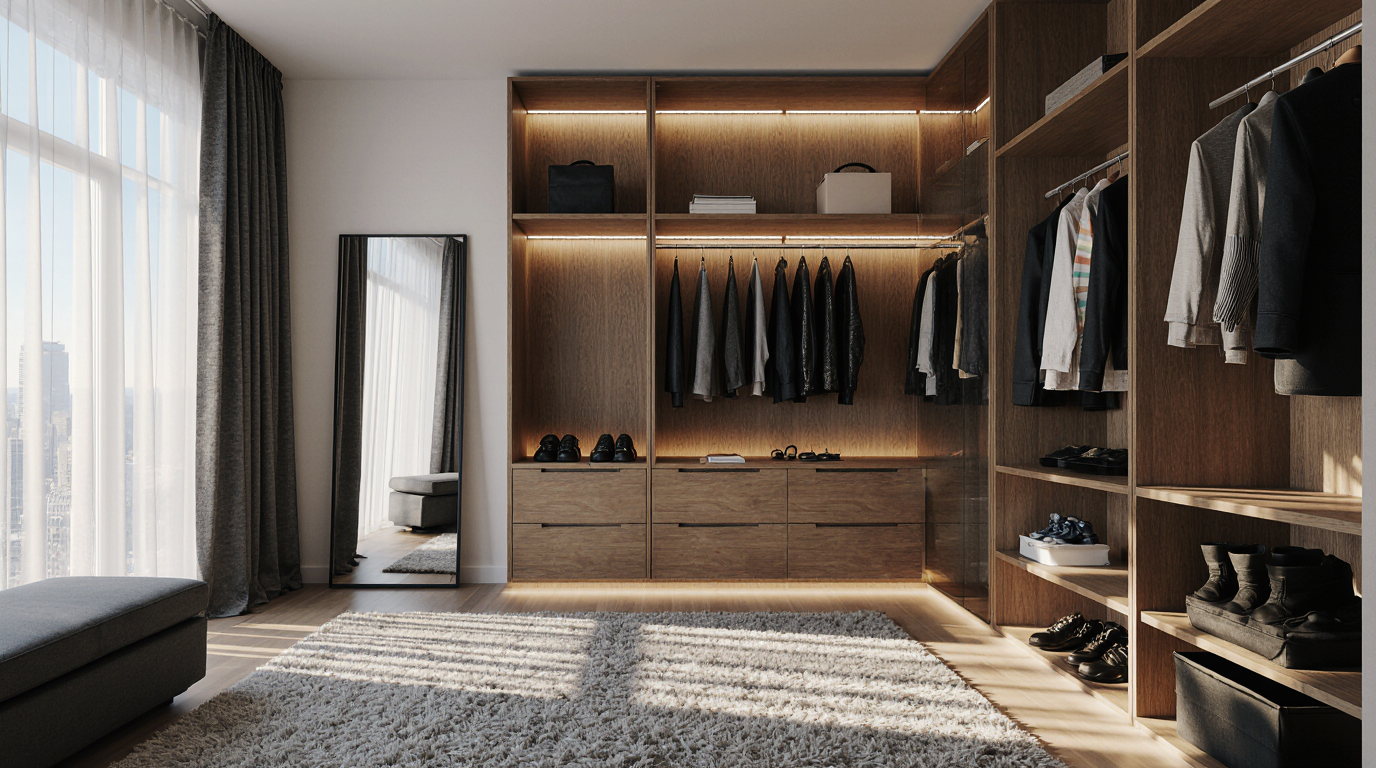
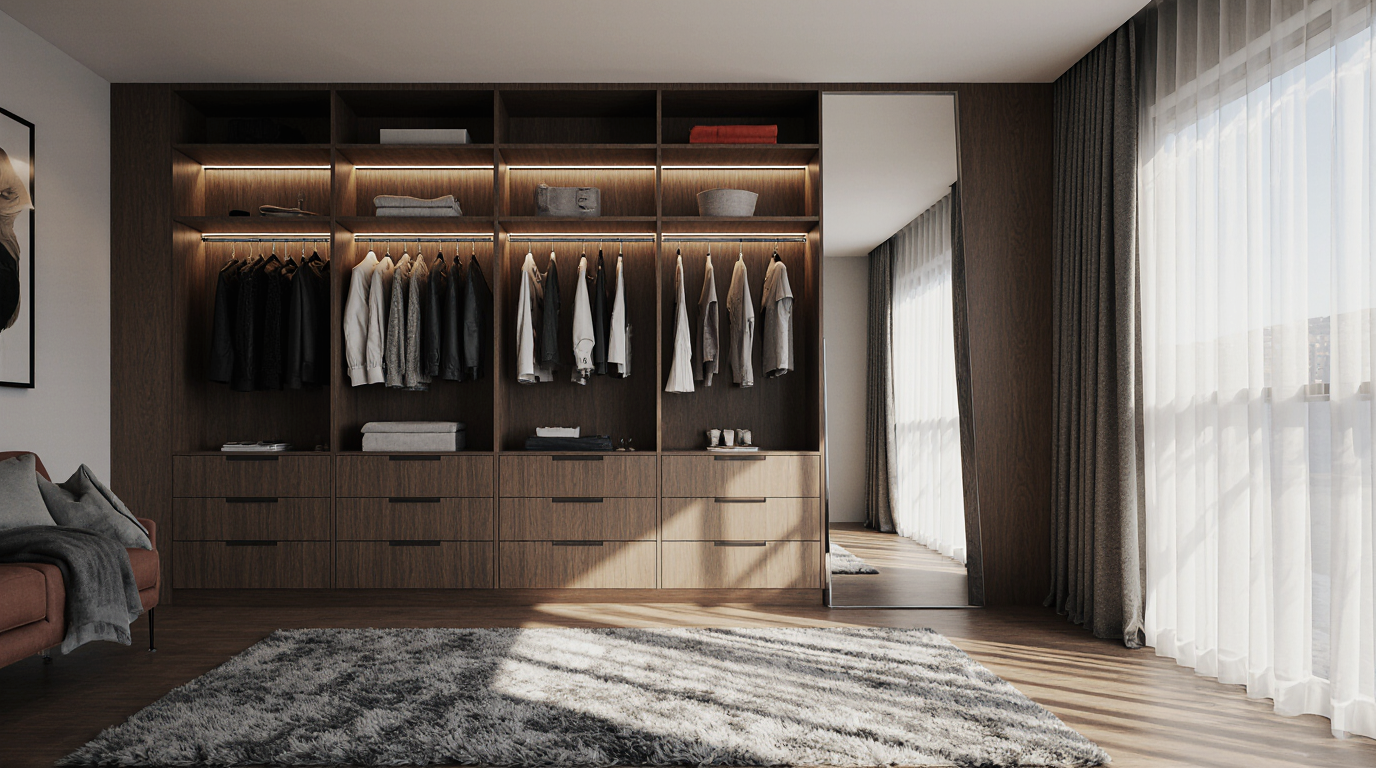
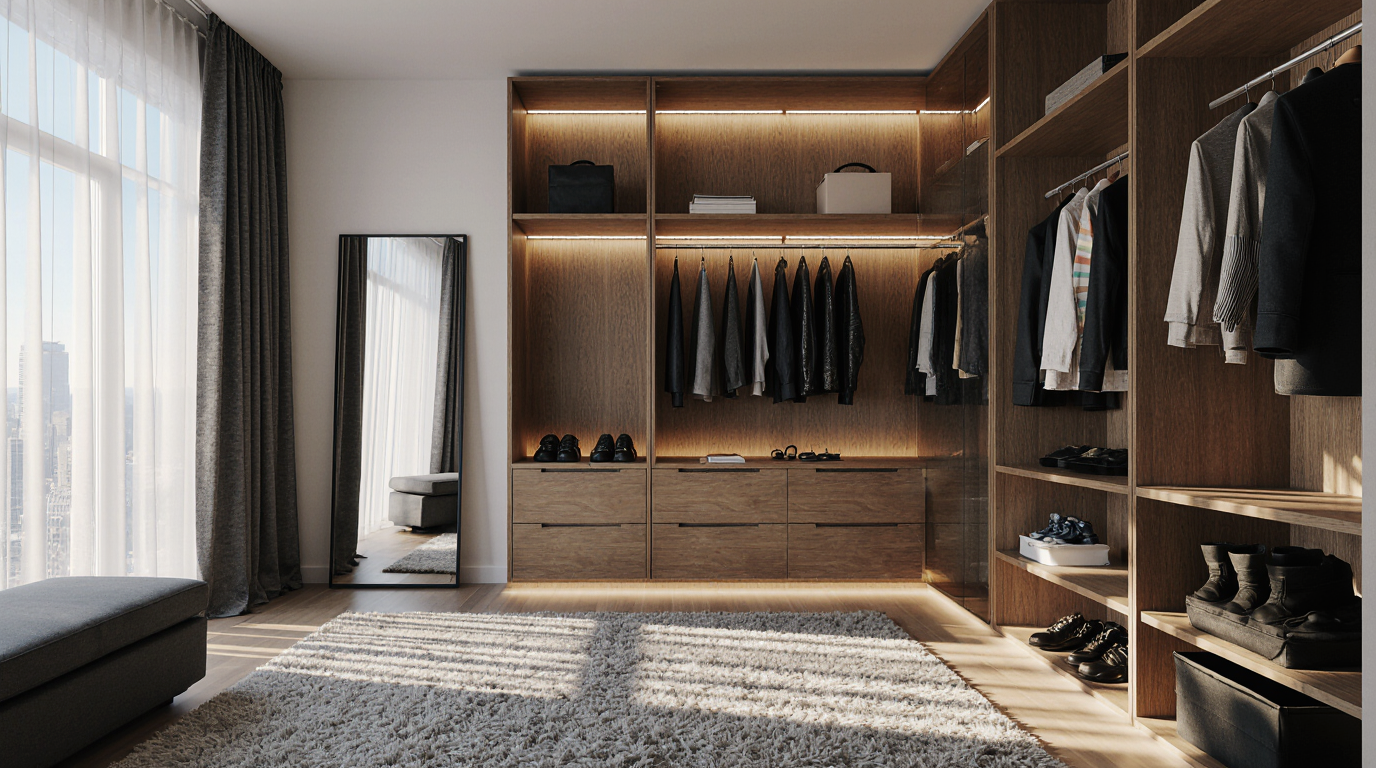
Strategically planned lighting transforms both kitchen and closet environments, highlighting design and enhancing usability. In a kitchen, proper illumination ensures safety and enhances the visual appeal of countertops and cabinetry; in a closet, strategically placed lighting can dramatically improve visibility and ambiance. Modern closets utilize a variety of lighting options, from LED strips to integrated motion sensors, to create ambiance and functionality. By emphasizing textures, finishes, and spatial perception, lighting strategies ensure closets appear larger, brighter, and more accessible. Proper lighting integration is a hallmark of professional closet design and a direct reflection of the expertise derived from years of kitchen renovation experience.
Closet material choices, informed by kitchen renovation principles, ensure durability, elegance, and ease of maintenance. Applying the same rigor used in selecting kitchen countertops and cabinets, designers opt for materials that provide structural integrity and refined aesthetics in closets. Solid wood, high-density MDF, and premium metal finishes offer durability while providing a sleek, modern look. Additionally, incorporating materials with easy-to-clean surfaces ensures that closets remain pristine over time, paralleling the maintenance considerations inherent in sophisticated kitchen designs.
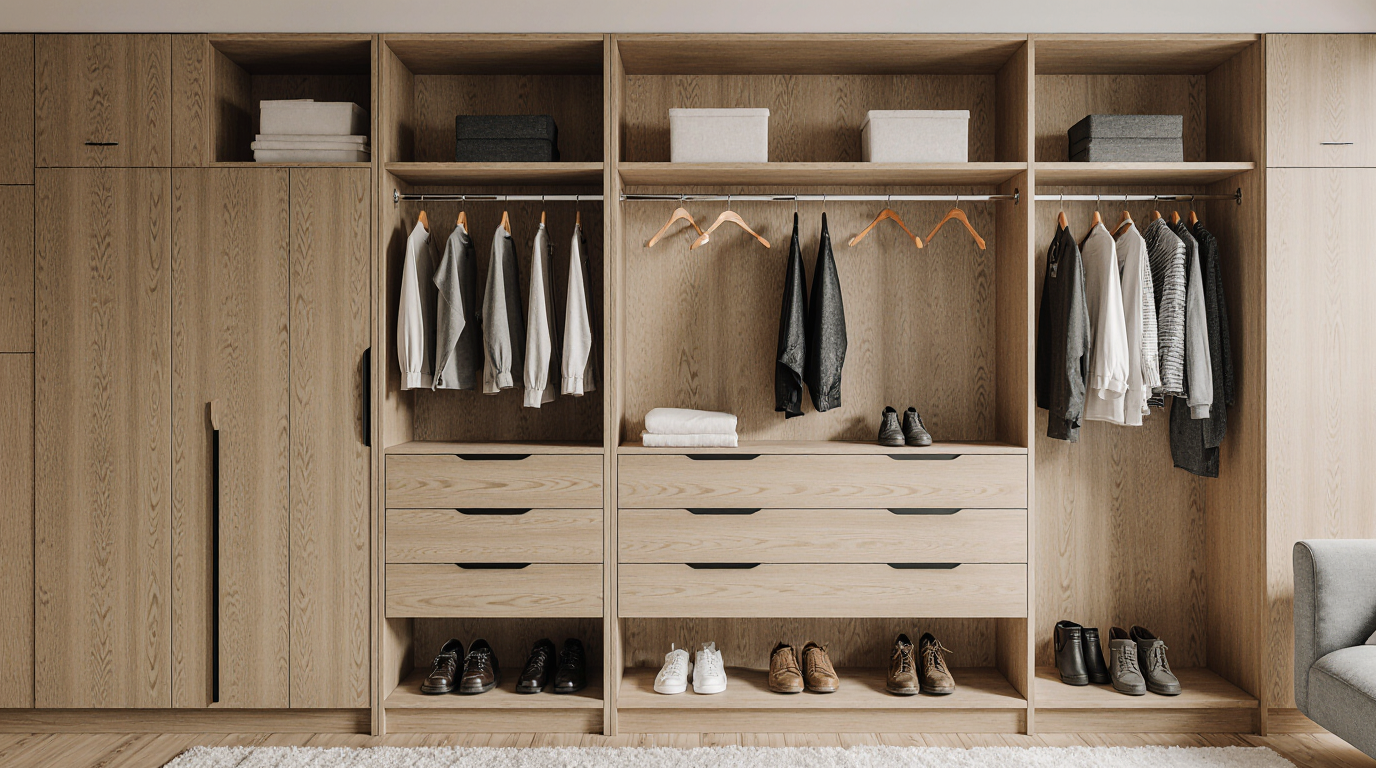
Optimized storage forms the core of thoughtfully designed closets. Borrowing strategies from kitchen renovations, designers often use space-saving techniques such as pull-out drawers, corner units, and tiered shelving to maximize storage potential. These innovations allow for a seamless organization of clothing, shoes, accessories, and personal items. Closets often feature dedicated zones for distinct item categories, mirroring the compartmentalized logic of modern kitchens. Layout optimization ensures a seamless blend of aesthetics and utility, making closets not only organized but visually compelling.
Closet design customization draws heavily from the individualized strategies of elite kitchen remodeling. Each element, from drawer dividers to shoe racks, is selected and arranged according to the homeowner’s lifestyle and preferences. Customized components blend functional efficiency with refined luxury, emphasizing the owner’s personal style. Smart integrations like sensor lighting and device charging stations elevate both convenience and contemporary aesthetics. The fusion of customization and technological integration highlights the shared expertise of kitchen and closet renovation professionals.
The aesthetic component of closet design is equally critical. Closets now serve as expressions of taste and sophistication, similar to modern kitchen spaces. Designers employ coordinated palettes, textures, and fittings to create closets that are polished and stylistically coherent. From sleek modern minimalism to traditional wood elegance and chic metal detailing, closets can be tailored to complement any home decor. Design precision, refined through years of kitchen projects, guarantees that every element harmonizes aesthetics with practicality.
Long-lasting performance and practical functionality are as critical in closets as they are in kitchens. Installing adjustable shelving systems, durable drawer mechanisms, and reinforced hanging rods ensures that the closet stands the test of time. Closet design mirrors kitchens in its need for resilient materials capable of withstanding intensive, long-term usage. Expert solutions borrowed from kitchen remodeling allow closets to achieve both elegance and structural integrity.
Closets increasingly adopt multi-use features inspired by kitchen design innovation. Closets now merge traditional storage with lifestyle functionalities, including seating, mirrors, and folding solutions. Practical enhancements enrich usability while contributing to the aesthetic and functional value of the closet. As in kitchen design, the goal is to create a cohesive environment where each element serves a clear purpose while contributing to the overall harmony of the room.
By applying kitchen-inspired design strategies, closets become highly functional, aesthetically refined, and tailored to individual lifestyles. Each design decision, from finishes and illumination to organization and aesthetics, is executed with precision to enrich living spaces. Connecting principles from kitchen renovations with closet design emphasizes mastery, creativity, and dedication to producing spaces that balance elegance with functionality. Closets become immersive, functional art pieces when approached with the meticulous techniques and creative strategies developed in high-level renovation projects.