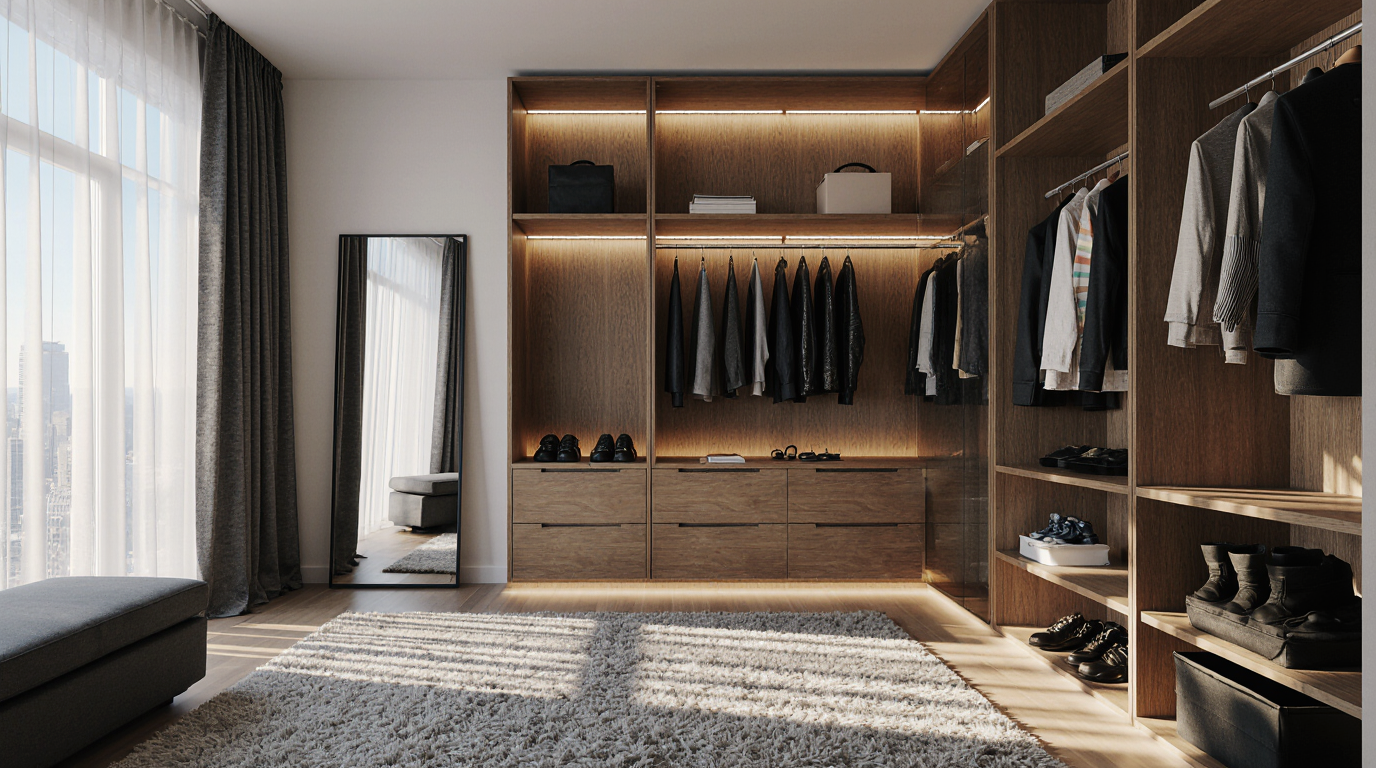
Closet Design: Transforming Spaces with Expert Kitchen Renovation Insights
Closet design draws heavily from the meticulous strategies of kitchen renovation, providing essential guidance for crafting storage that is both practical and luxurious. A closet, just as a well-designed kitchen, serves as a hub where meticulous organization, elegant presentation, and functional design harmonize. The expertise of designers ensures that closets receive the same level of precision as kitchens, with each compartment, shelf, and hanging solution engineered for optimal utility and visual harmony. This approach ensures that homeowners experience not only a visually stunning environment but also one that enhances daily routines and simplifies storage management.
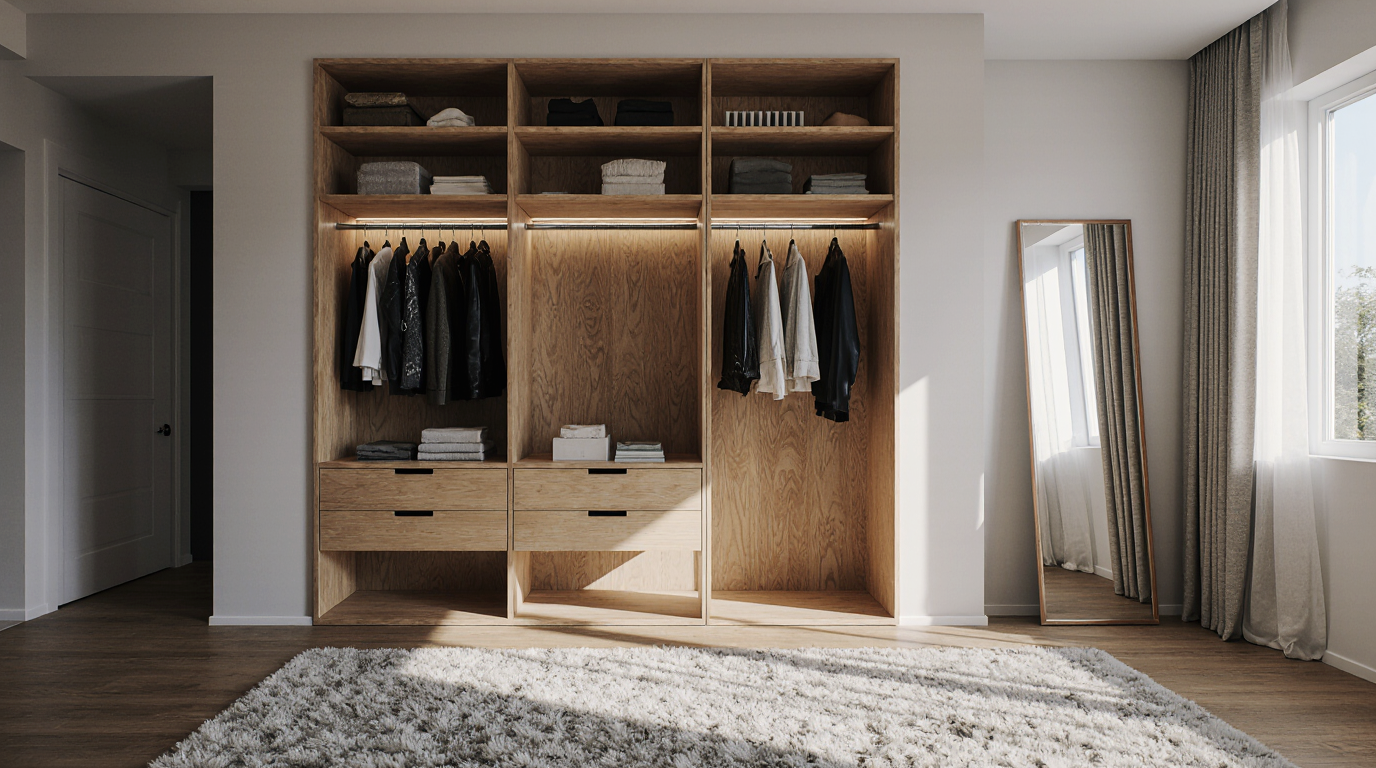
A successful closet project originates from analyzing individual habits, clothing volumes, and organizational requirements. Closet planning parallels kitchen renovation: understanding usage patterns, item sizes, and accessibility needs forms the cornerstone of a functional design. Tailored storage solutions are essential for creating adaptable and organized closets. Adjustable shelves, specialized hanging rods, and intelligently designed compartments allow for a dynamic space that adapts to changing storage needs over time. By applying renovation techniques honed in kitchen remodeling, such as maximizing vertical space and implementing modular components, designers can transform even the smallest closet into a highly functional sanctuary.
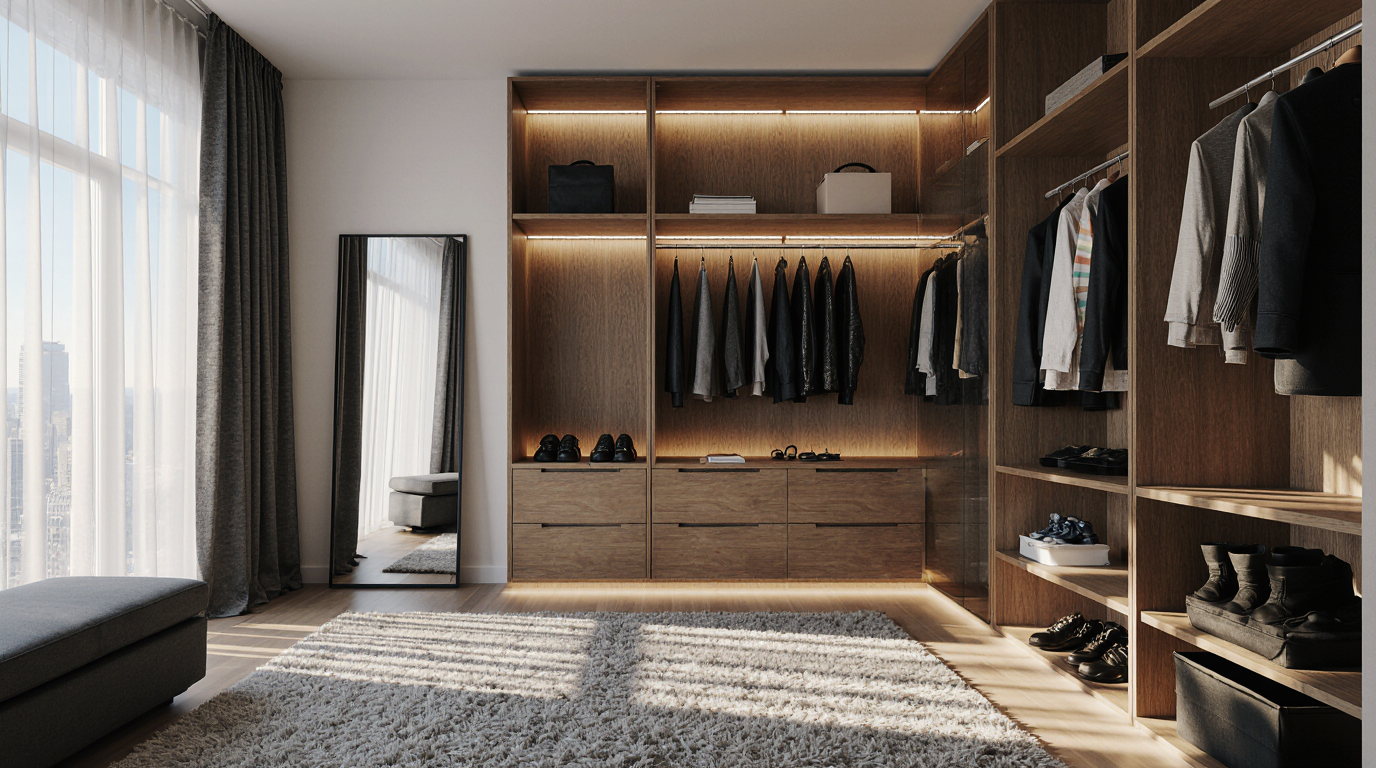
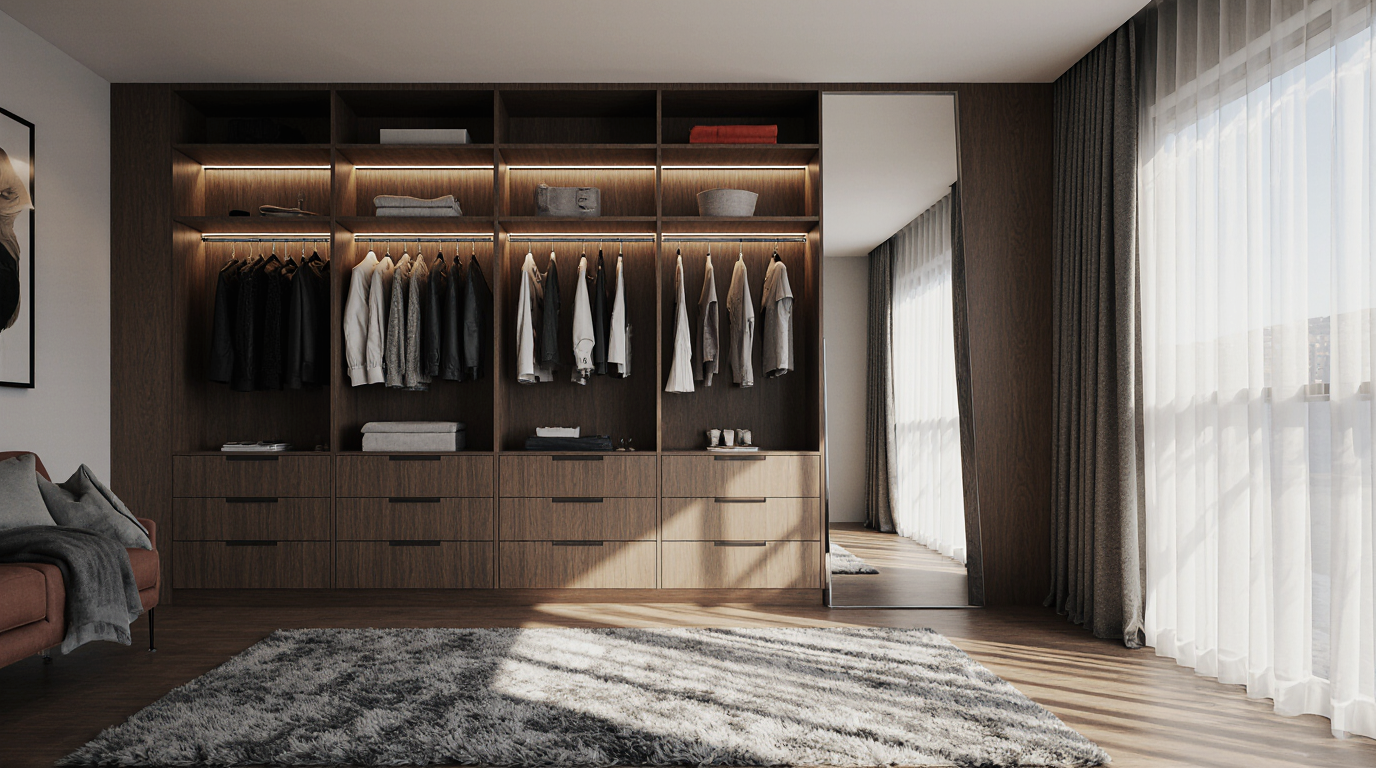
Lighting plays a pivotal role in elevating both kitchen and closet spaces. Closet lighting, inspired by kitchen design principles, ensures a harmonious balance of visual appeal and practicality. Innovative lighting technologies, including energy-efficient LEDs and adaptive sensors, enhance the usability and elegance of contemporary closets. By emphasizing textures, finishes, and spatial perception, lighting strategies ensure closets appear larger, brighter, and more accessible. The nuanced integration of illumination demonstrates a designer’s skill, bridging lessons from kitchen renovations to elevate closet functionality and style.
Closet material choices, informed by kitchen renovation principles, ensure durability, elegance, and ease of maintenance. Just as countertops and cabinetry require durable, high-quality materials in the kitchen, closets benefit from carefully chosen woods, laminates, and hardware that combine longevity with aesthetic appeal. Using high-quality wood, engineered boards, and metal accents ensures longevity and a contemporary appearance. Closet materials are selected not only for durability and beauty but also for low maintenance, echoing best practices in elite kitchen design.
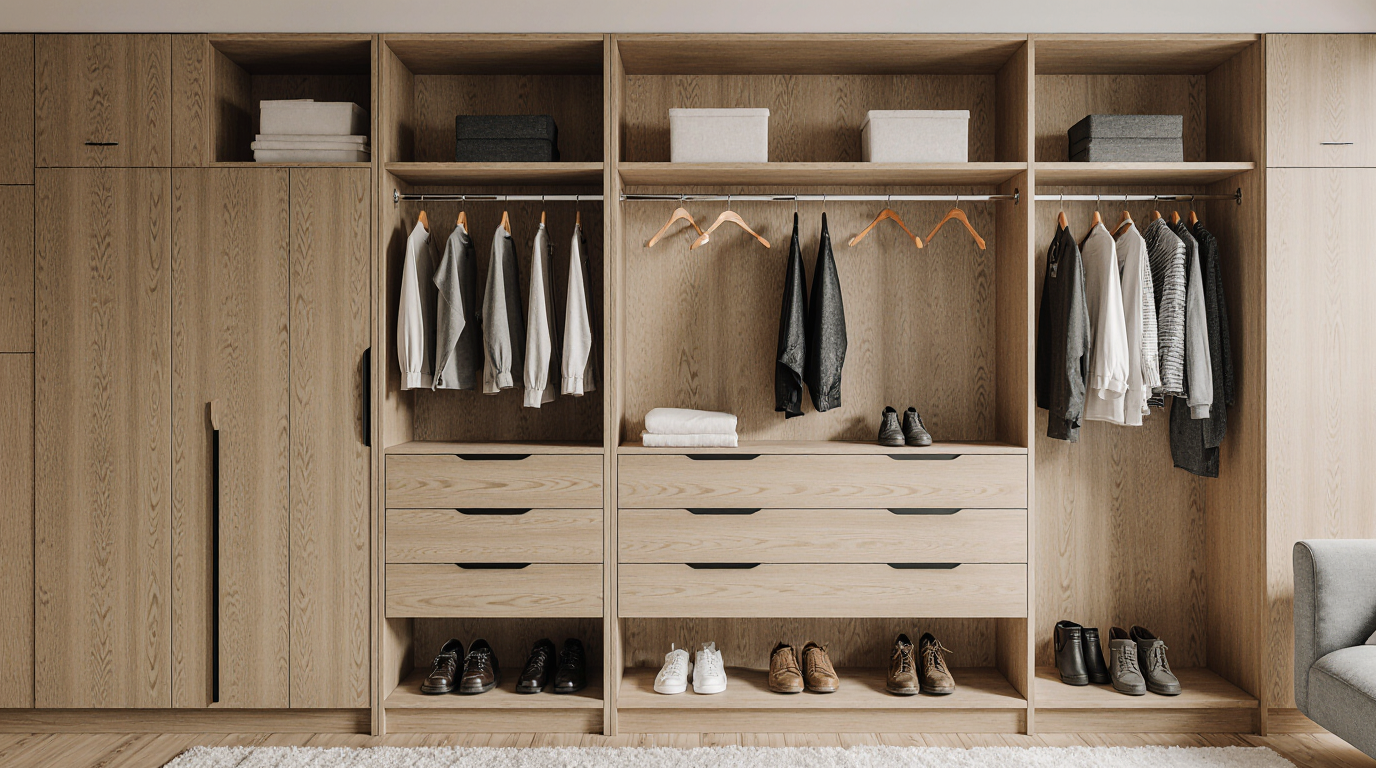
Optimized storage forms the core of thoughtfully designed closets. Closet designers apply proven kitchen space-saving methods, including sliding drawers, corner optimization, and tiered compartments, to enhance capacity. Such strategies enable highly systematic organization of apparel, footwear, and personal belongings. Closets often feature dedicated zones for distinct item categories, mirroring the compartmentalized logic of modern kitchens. Strategic spatial planning guarantees both practical accessibility and visual harmony, resulting in a high-functioning and elegant closet.
Closet design customization draws heavily from the individualized strategies of elite kitchen remodeling. Every drawer, rack, and compartment is intentionally planned to serve the unique lifestyle and preferences of the homeowner. Personalized storage solutions reflect the unique character of the user, providing not only convenience but also a sense of luxury. In addition, integrating technology, such as automated lighting or built-in charging stations for personal devices, enhances the modern appeal and usability of the space. The fusion of customization and technological integration highlights the shared expertise of kitchen and closet renovation professionals.
The aesthetic component of closet design is equally critical. Closets now serve as expressions of taste and sophistication, similar to modern kitchen spaces. Designers employ coordinated palettes, textures, and fittings to create closets that are polished and stylistically coherent. Minimalist modern designs, classic wood finishes, and contemporary metallic accents are popular choices, offering a sense of sophistication and harmony with the rest of the home. Design precision, refined through years of kitchen projects, guarantees that every element harmonizes aesthetics with practicality.
Durability and operational efficiency are paramount in closet design, reflecting kitchen remodeling standards. Professional-grade components like reinforced shelving and high-durability drawers ensure longevity and consistent performance. Closet design mirrors kitchens in its need for resilient materials capable of withstanding intensive, long-term usage. Expert solutions borrowed from kitchen remodeling allow closets to achieve both elegance and structural integrity.
The incorporation of multifunctional components enhances both usability and luxury, a concept refined in kitchens. Closets now merge traditional storage with lifestyle functionalities, including seating, mirrors, and folding solutions. Practical enhancements enrich usability while contributing to the aesthetic and functional value of the closet. Closet elements are intentionally integrated to balance practicality with design coherence, reflecting principles of expert kitchen planning.
By applying kitchen-inspired design strategies, closets become highly functional, aesthetically refined, and tailored to individual lifestyles. Closet projects integrate comprehensive strategies across materials, lighting, and layout to ensure optimal utility and visual refinement. Connecting principles from kitchen renovations with closet design emphasizes mastery, creativity, and dedication to producing spaces that balance elegance with functionality. Closets become immersive, functional art pieces when approached with the meticulous techniques and creative strategies developed in high-level renovation projects.