
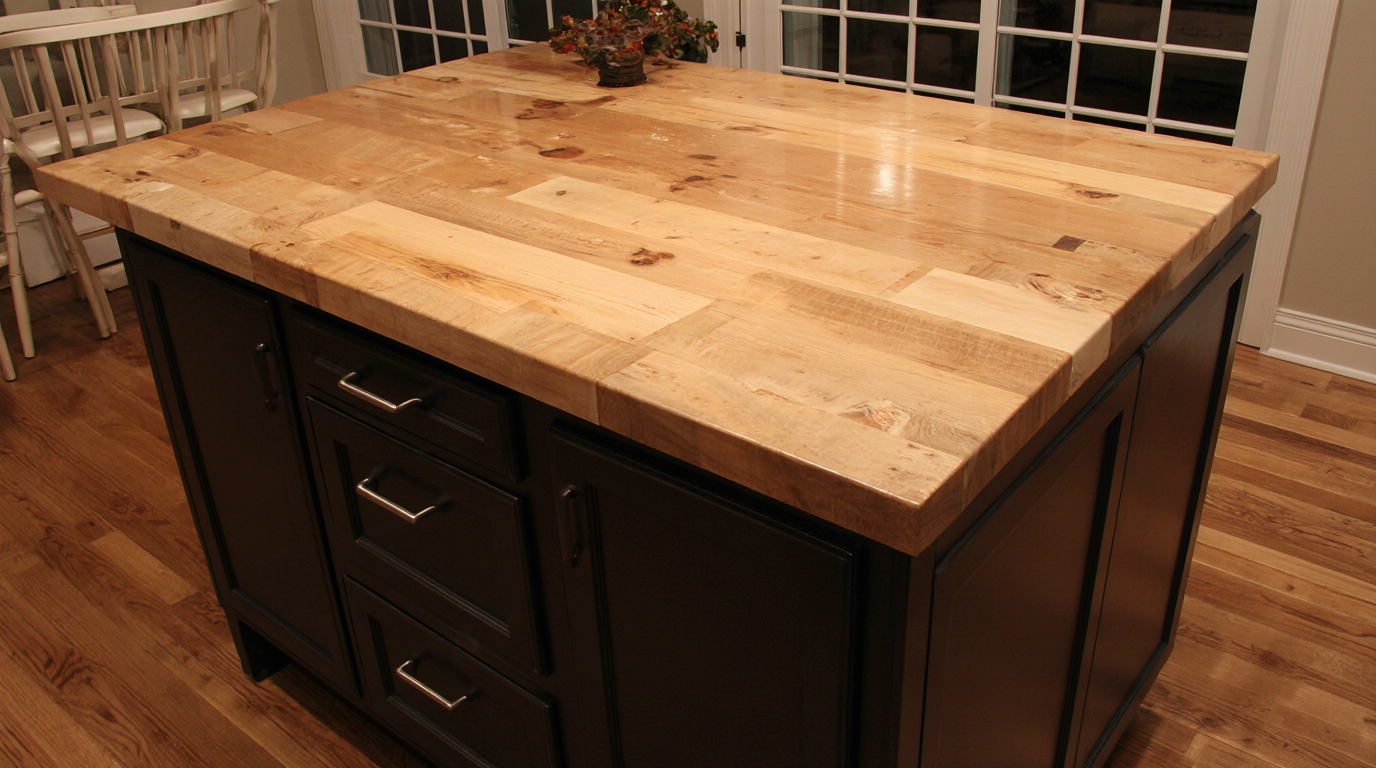
Elevate Your Kitchen Design with High-Quality Butcher Block Countertops
The pursuit for the ideal kitchen countertop often sends homeowners through a variety of materials, each offering a perfect blend of design and substance. Yet, few options capture the warmth, enduring charm, and pleasant feel of bespoke butcher block countertops. These worktops go beyond mere utility, evolving into the very focal point of the kitchen, a homage to natural beauty and smart design. Unlike the cold, inflexible nature of stone or the manufactured predictability of composite materials, wood butcher block offers an authentic presence and lends a deep, homely character that is simply unmatched. Opting for custom fabrication lifts this experience to an higher level, ensuring that every edge, cutout, and finish aligns precisely with your specific concept and the distinct dimensions of your space. This degree of personalization is the cornerstone of truly exceptional interior design, moving beyond typical, mass-produced slabs to create a surface that tells a unique story.
The natural charm of butcher block originates with its construction: thick strips of natural wood are carefully bonded together, creating a robust and interesting surface. The technique of this bonding largely determines the aesthetic. Edge grain, for instance, is the standard and budget-friendly choice, displaying the long, parallel grain of the wood, which is appealing and robust enough for daily use. End grain, however, represents the ultimate expression of butcher block craftsmanship. Constructed from the ends of the wood pieces glued together, it creates a stunning checkerboard or mosaic pattern. This construction is not only visually stunning but also exceptionally resilient, as the wood fibers stand vertically, cushioning knife impact like a brush, making it the easiest on blades and truly naturally restorative surface for cutting and chopping. The selection of timber is just as critical, impacting both the look and the functionality. Hard maple remains the industry standard, revered for its light hue, tight grain, and outstanding hardness, making it highly resistant to dents and scratches. In contrast, American black walnut provides a intense, deep chocolate color and a luxurious, sophisticated aesthetic, albeit with a moderately reduced Janka hardness rating. Other popular species like cherry for its warm red tone that deepens with age, or the distinctive grain of hickory, allow for a vast spectrum of creative options, guaranteeing there is a perfect wood to match every cabinet color and kitchen style, from rustic farmhouse to modern minimalist designs.
One of the most significant advantages of solid wood countertops is their unparalleled ability for renewal. Where a chip in granite or a scorch mark on laminate may be lasting damage, a butcher block surface can be restored to its pristine state with surprising ease. Light scratches and surface imperfections can often be erased with a simple sanding and reapplication of oil. More significant damage can be addressed through a more comprehensive restoration procedure, providing a longevity that is rare among other surfaces. This ability to repair and revitalize means your investment truly lasts a lifetime, improving with age and acquiring a rich, subtle sheen that reflects years of use and care. However, this natural beauty does come with a need for routine maintenance, a factor that careful homeowners must fully embrace. Wood is a absorbent material, making proper sealing absolutely essential to guard against the primary adversaries: moisture and prolonged wetness.
Caring for the surface typically involves two crucial steps: cleaning and conditioning. Daily cleaning is easy, needing only a gentle detergent and warm water, followed immediately by thorough drying to prevent water absorption. The ultimate trick to a durable, radiant surface lies in regular conditioning with a safe wood treatment, most commonly mineral oil or a blend of oil and beeswax. This process is not merely cosmetic; it is a vital protective measure. The oil saturates the wood fibers, making it water-resistant and stopping the wood from drying out, which can lead to cracking and warping. The frequency of oiling is highest when the countertop is new, often weekly for the first month, gradually reducing to a monthly or even quarterly schedule, depending on the environment and usage. A simple quick check—when the wood starts to look parched, lifeless, or "thirsty—serves as the perfect indicator that it is time for a fresh application. This simple ritual becomes a small, satisfying part of kitchen ownership, strengthening the connection between the cook and their workspace.
Opting for custom butcher block countertops opens the door to boundless design creativity beyond just the wood species and grain style. The shape of the edges—from a simple eased edge to a detailed ogee or bullnose—can dramatically alter the finished look, adding sophistication or softness. Integration with sink areas requires accurate fabrication and sealing to manage moisture exposure effectively, particularly with undermount installations, where a strong, waterproof seal is non-negotiable. In addition, custom configurations for islands, peninsulas, or unique L-shapes provide a perfect juncture, getting rid of awkward seams and maximizing usable surface area. The inherent sustainability of wood, especially when sourced from responsibly managed forests, also attracts the environmentally aware homeowner, adding an ethical layer to the aesthetic appeal. By opting for a material that is renewable, restorable, and possesses a lasting, individual charm, you are not simply installing a countertop; you are choosing deliberately to bring a piece of organic, warm design into your home, a centerpiece that will accumulate memories and warmth for generations to come. The initial investment in top-tier, custom wood is an investment in lasting value and profound beauty that transforms the everyday kitchen into an exceptional cooking environment.
