Understanding Quartzite Countertops Costs: Comprehensive Pricing Insights
Knowing the investment needed for quartzite countertops helps homeowners balance sophistication with long-lasting functionality Quartzite is a natural stone known for its incredible hardness, resistance to heat, and stunning visual appeal Unlike other countertop materials, quartzite combines the beauty of marble with the durability of granite, making it a premium choice for those seeking long-lasting and luxurious surfaces Several variables affect quartzite pricing, including stone provenance, slab thickness, surface finishing, and labor intensity Careful consideration of each cost component ensures homeowners optimize both budget and long-term value.
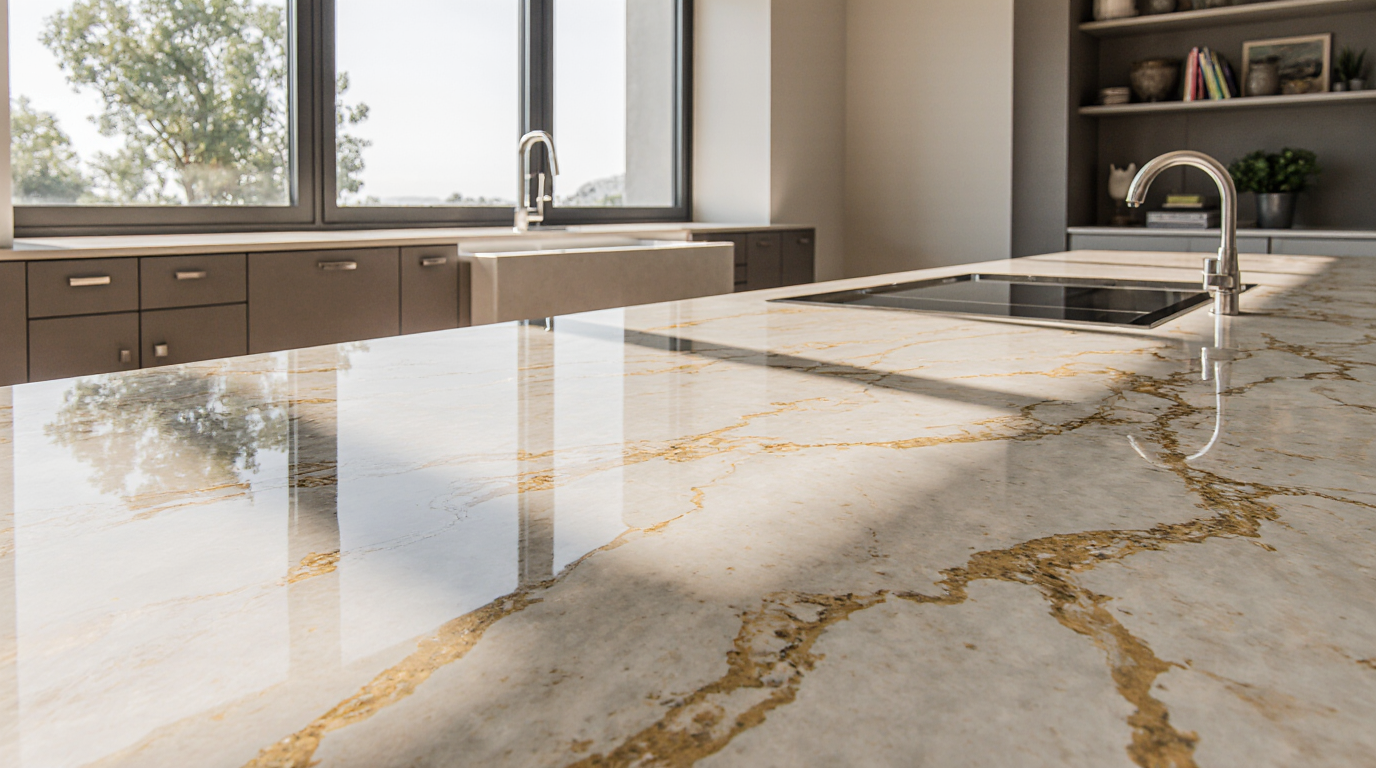
Quartzite variety selection plays a primary role in determining overall cost Some varieties, like Taj Mahal or White Macaubas, are rarer and come with a higher price tag due to limited availability and unique veining patterns On average, quartzite slabs can range from $70 to $200 per square foot, including fabrication and installation Imported quartzite tends to be on the higher end of this spectrum because it requires international shipping, handling, and additional inspection for quality assurance Homegrown quartzite tends to cost less but still represents a premium investment compared to granite due to its toughness and scratch resistance.
Slab thickness significantly impacts total quartzite countertop expenditure While 2 cm is standard, 3 cm slabs are often chosen for their heft and enhanced visual impact Investing in thicker quartzite ensures robustness yet carries a higher price tag Thicker quartzite slabs may require specialized equipment for cutting and installation, which adds labor expenses Homeowners should balance aesthetic preferences with practical considerations, ensuring the choice aligns with their kitchen’s functionality and budget.
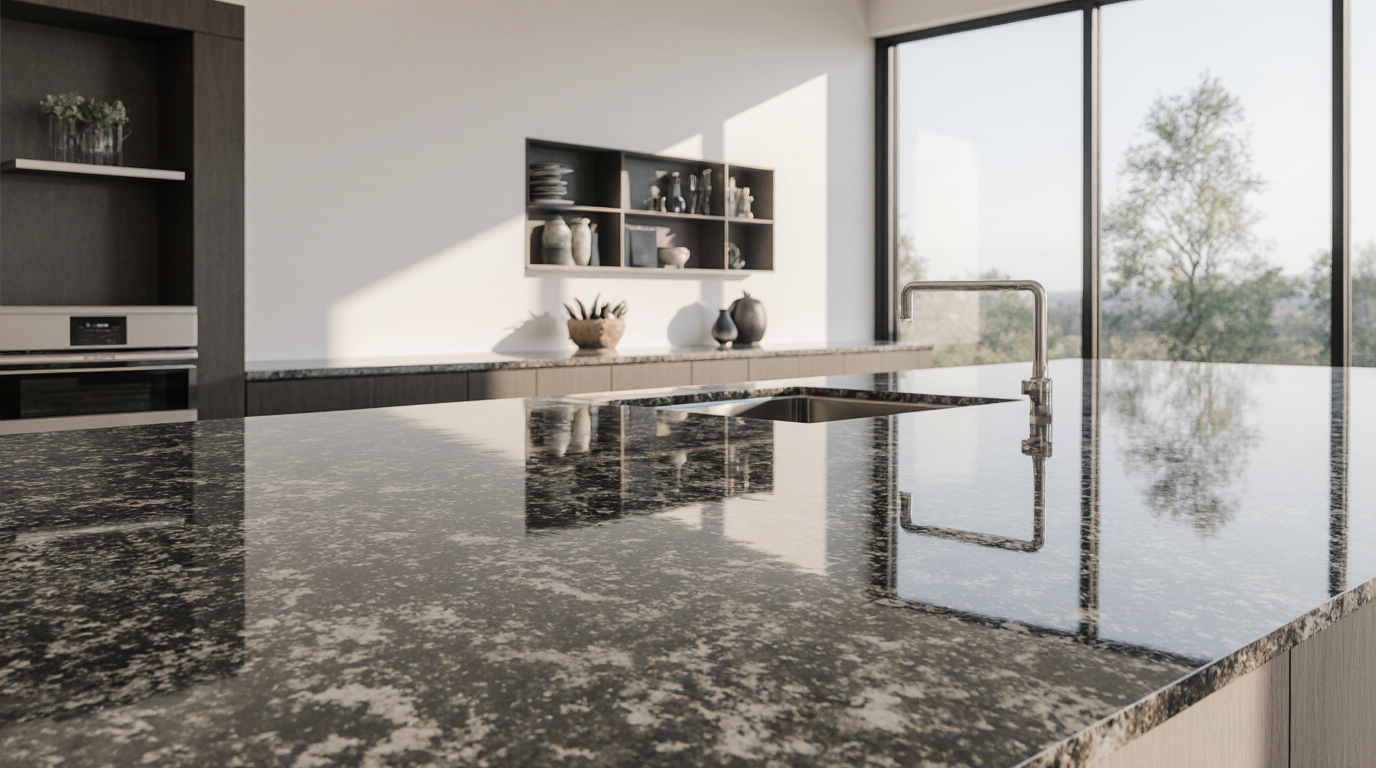
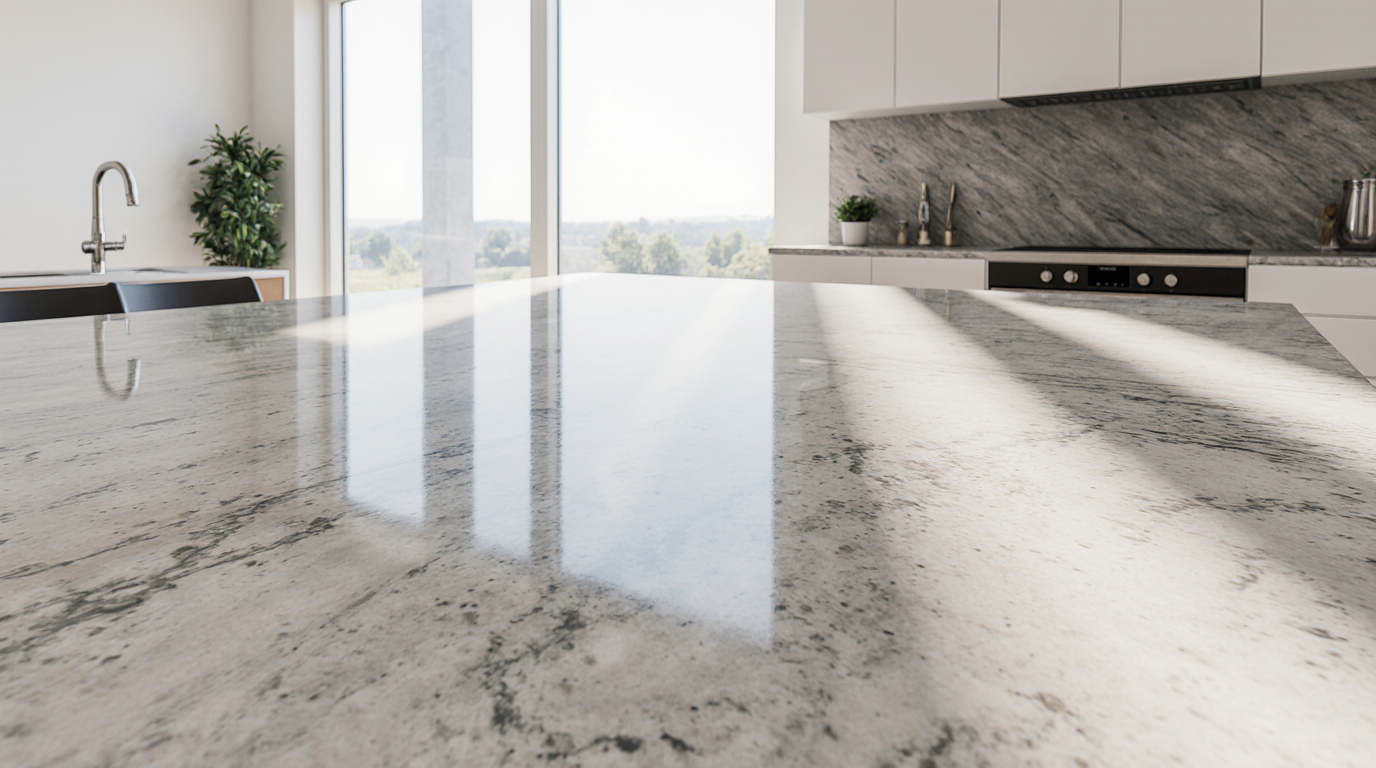
The finishing process of quartzite also affects pricing Polished quartzite offers a glossy, reflective surface that enhances the natural veining, but it requires precise finishing to prevent chipping Matte, honed finishes are moderately more affordable while maintaining luxurious appeal Elaborate edge shaping increases fabrication effort and, consequently, countertop cost The combination of stone quality and finishing intricacy determines the final expense and elegance of quartzite countertops.
Installation is a significant component of the overall quartzite countertop cost Factors like project size, layout, and intricacy drive installation fees Kitchens with multiple corners, islands, or irregular layouts require more precise measurements and custom cuts, which increases labor costs Correct installation ensures longevity, preventing warping, cracking, or surface imperfections Homeowners recognize that paying for professional installation guarantees lasting value, durability, and effortless maintenance.
Long-term upkeep and durability factor into overall cost evaluation Sealing ensures long-term protection for quartzite, preserving its natural resistance to damage Periodic maintenance, including sealing, maintains appearance and extends lifespan While sealing is an added expense, it ensures that the investment in quartzite countertops delivers long-term value Durability and low-maintenance nature make quartzite economically advantageous over decades.
Geography and supplier selection play a crucial role in pricing Local stone distributors and fabricators may offer competitive pricing, reducing shipping and handling expenses Showroom visits enable homeowners to assess color, pattern, and quality while receiving expert recommendations E-commerce options may appear cheaper but often include hidden costs like freight and damage risk Reliable suppliers safeguard both quality and installation outcomes, crucial for premium quartzite purchases.
Tailored designs and additional features can substantially alter total cost Custom edgework, sink integration, and unique cutouts add considerable fabrication and installation costs Such design enhancements elevate both visual appeal and resale potential Quartzite’s versatility allows for endless design possibilities, from traditional to modern, ensuring that the final installation aligns perfectly with personal style and functional needs.
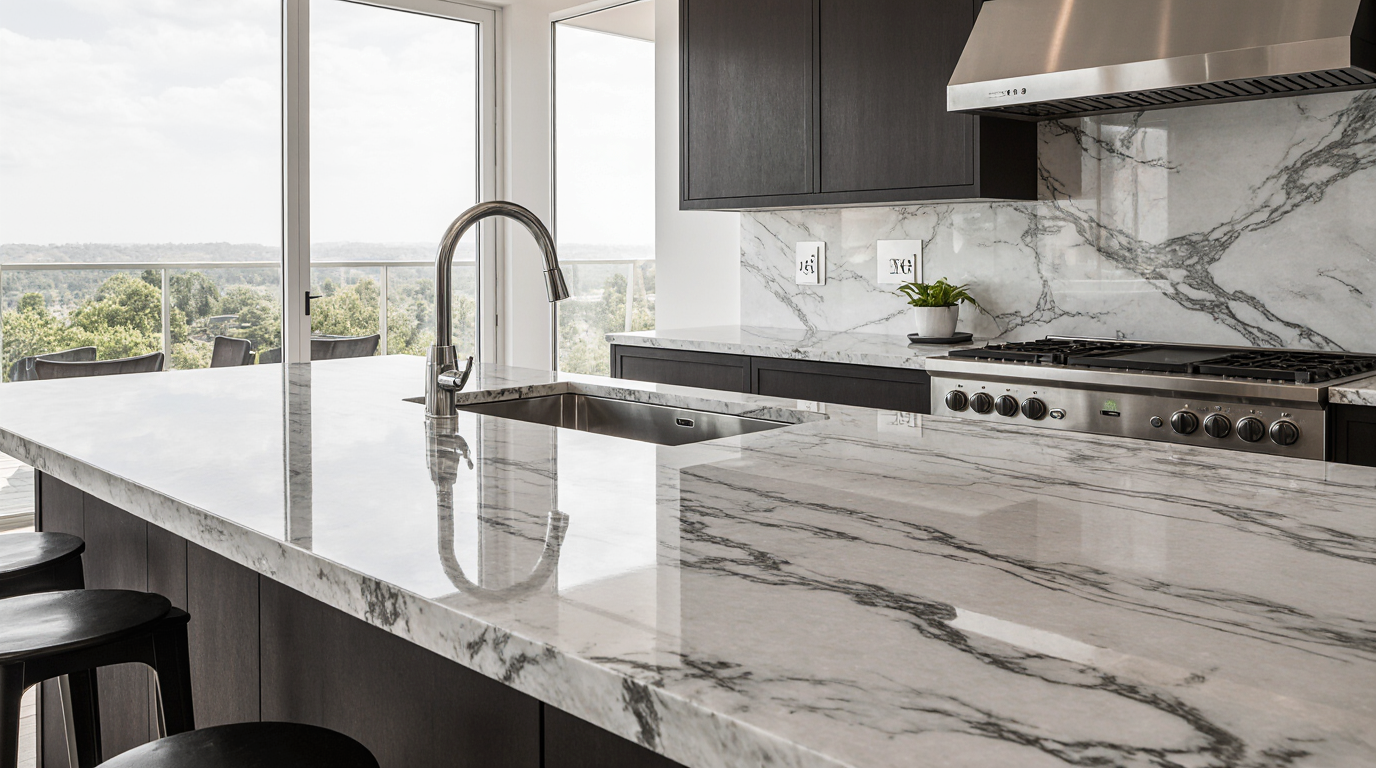
When measured against alternatives, quartzite’s benefits become evident Although granite is cheaper, it cannot match quartzite’s aesthetic flexibility or durability against acids and scratches Marble is beautiful but more prone to staining and scratching Quartzite offers a premium balance of durability, aesthetics, and low maintenance, justifying its higher price point for discerning homeowners Homeowners seeking durability, beauty, and ROI often find quartzite the most prudent choice.
Estimating costs accurately ensures financial preparedness for quartzite projects Typical kitchen installations range from $3K–$10K based on stone type, dimensions, labor, and finish High-end or complex layouts can surpass this budget yet deliver exceptional aesthetic and functional results Cost-conscious buyers can explore local suppliers, choose less rare stone varieties, or simplify edge profiles to manage expenses without sacrificing quality.
In summary, the cost of quartzite countertops reflects a combination of stone quality, thickness, finish, installation, customization, and supplier factors Although pricier initially, quartzite ensures long-lasting elegance, minimal care requirements, and exceptional resilience By choosing premium slabs, hiring qualified professionals, and maintaining the surface, homeowners secure functional and luxurious countertops for the long term Quartzite provides the perfect synergy of sophistication and function, delivering instant aesthetic appeal and lasting worth.
This article provides an in-depth understanding of pricing considerations, helping homeowners make informed decisions about one of the most sophisticated and resilient countertop options available.