Quartzite Countertops Cost: A Complete Guide to Pricing and Value
Understanding the cost of quartzite countertops is essential for homeowners who want both durability and elegance in their kitchen or bathroom spaces Renowned for its durability, heat endurance, and luxurious appearance, quartzite offers unmatched value Quartzite uniquely merges marble’s elegance with granite’s toughness, positioning it as a top-tier material for durable, luxurious countertops Several variables affect quartzite pricing, including stone provenance, slab thickness, surface finishing, and labor intensity Careful consideration of each cost component ensures homeowners optimize both budget and long-term value.
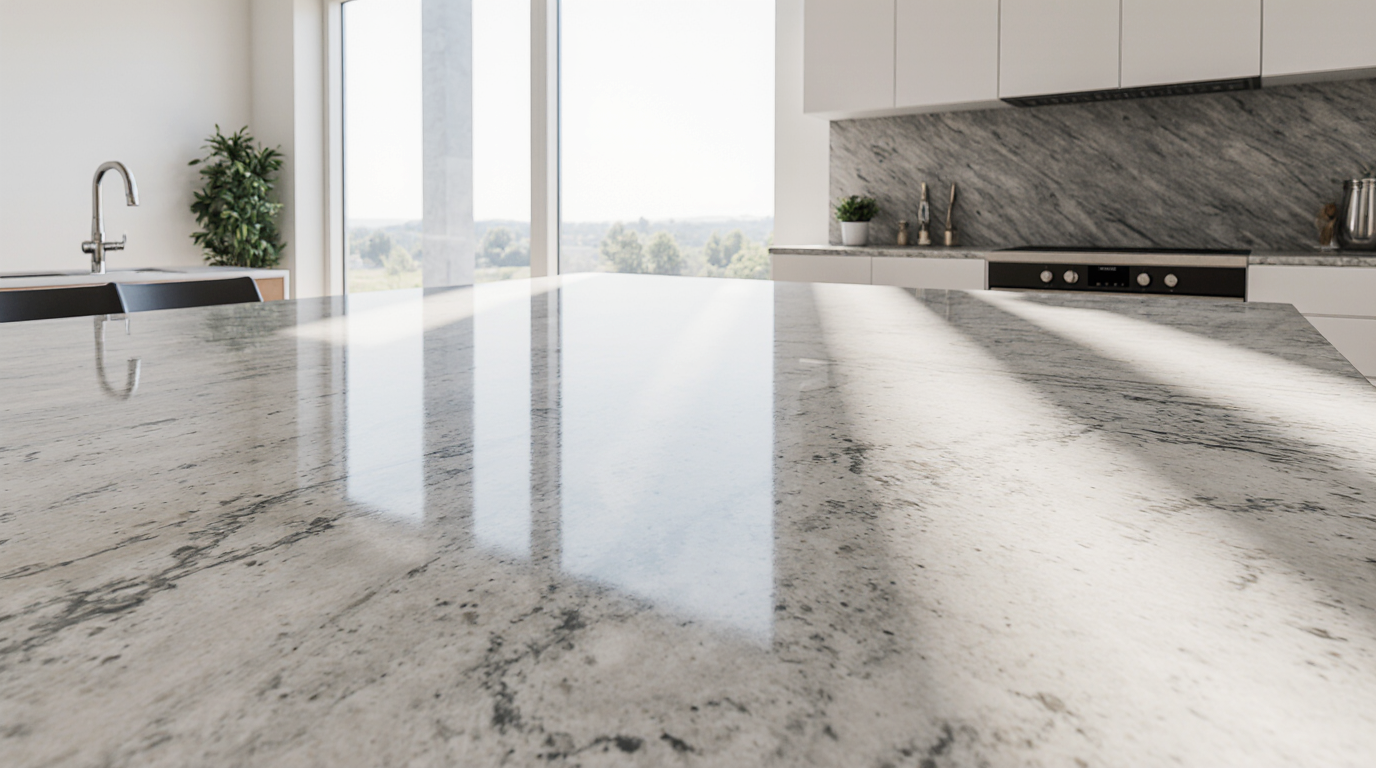
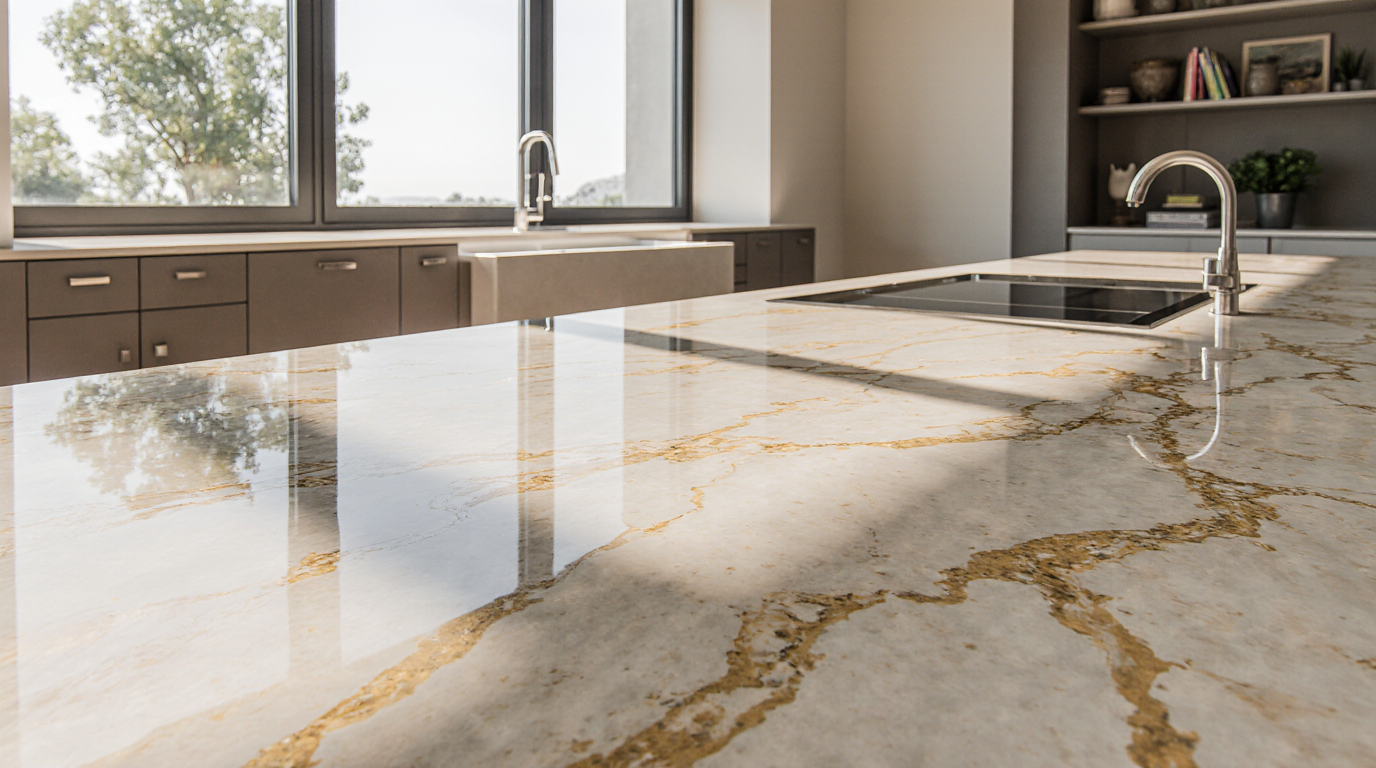
The first factor affecting quartzite countertop cost is the type of quartzite selected Some varieties, like Taj Mahal or White Macaubas, are rarer and come with a higher price tag due to limited availability and unique veining patterns Typically, quartzite pricing spans $70–$200 per square foot when factoring in professional fabrication and installation Imported quartzite tends to be on the higher end of this spectrum because it requires international shipping, handling, and additional inspection for quality assurance Homegrown quartzite tends to cost less but still represents a premium investment compared to granite due to its toughness and scratch resistance.
Slab thickness significantly impacts total quartzite countertop expenditure Standard slabs are typically 2 centimeters thick, but many homeowners opt for 3-centimeter slabs for a more substantial and luxurious look While a thicker slab provides a stronger and more durable surface, it also increases costs significantly Installation of thicker slabs demands advanced cutting tools and skilled labor, escalating costs It’s essential to weigh design desires against practical constraints, ensuring functionality and cost-effectiveness.
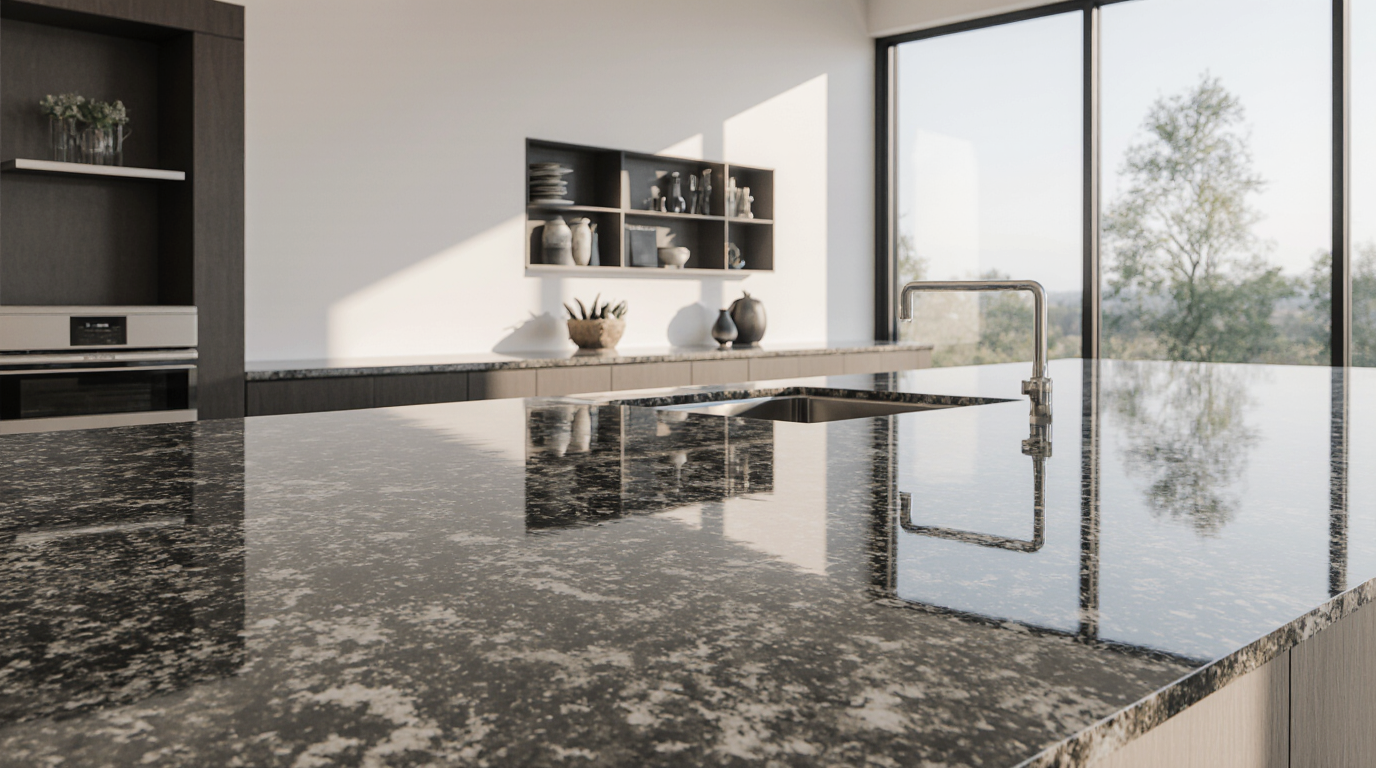
Surface finishing contributes substantially to overall quartzite costs A polished finish creates a shiny, veined aesthetic yet demands meticulous work to avoid imperfections Matte, honed finishes are moderately more affordable while maintaining luxurious appeal Elaborate edge shaping increases fabrication effort and, consequently, countertop cost The combination of stone quality and finishing intricacy determines the final expense and elegance of quartzite countertops.
Labor for installation constitutes a substantial portion of total quartzite expenses Factors like project size, layout, and intricacy drive installation fees Kitchens with multiple corners, islands, or irregular layouts require more precise measurements and custom cuts, which increases labor costs Proper installation is critical to prevent future problems such as cracking or uneven surfaces Despite higher upfront costs, expert installation offers long-term benefits, ensuring decades of durability and aesthetic appeal.
Maintenance and longevity are also part of the cost discussion Quartzite is naturally resistant to heat, scratches, and etching, but like all natural stones, it benefits from sealing Consistent care through sealing preserves both beauty and functionality Sealing costs are minor relative to the protection and durability it provides In fact, the durability of quartzite often offsets higher upfront costs, making it more economical over the years compared to materials that may need replacement or significant repairs.
Where you source quartzite and which suppliers you choose affect overall investment Selecting nearby suppliers often lowers delivery fees and allows for better price negotiation Showroom visits enable homeowners to assess color, pattern, and quality while receiving expert recommendations Buying quartzite online can reduce upfront costs, yet shipping logistics and slab handling must be considered Partnering with trusted vendors guarantees high-quality material and professional support.
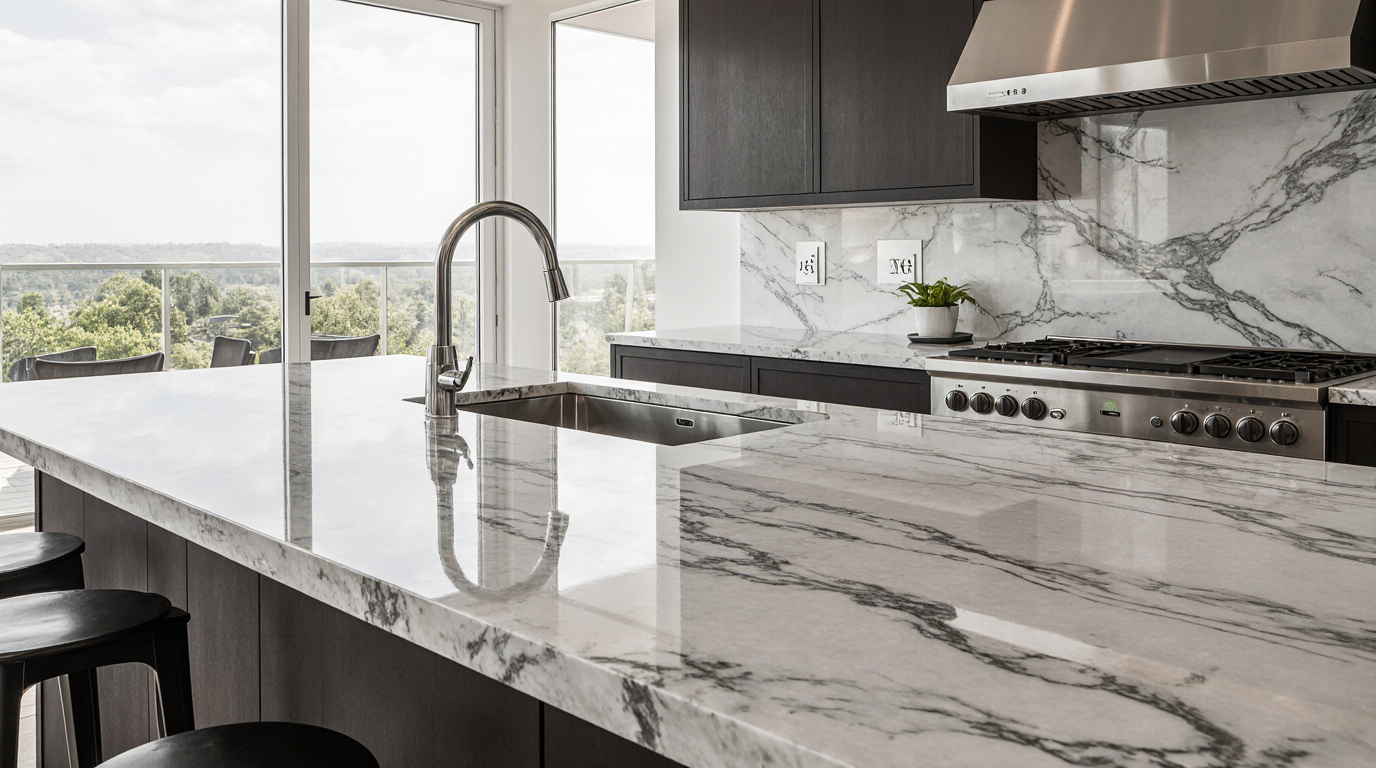
Tailored designs and additional features can substantially alter total cost Homeowners who request matching backsplashes, integrated sinks, or intricate cutouts for appliances should expect higher costs due to additional labor and fabrication time Personalized features improve aesthetics and can yield higher home valuation From classic to contemporary, quartzite supports virtually limitless design options for bespoke kitchen solutions.
When measured against alternatives, quartzite’s benefits become evident Although granite is cheaper, it cannot match quartzite’s aesthetic flexibility or durability against acids and scratches Marble offers elegance but requires frequent care due to susceptibility to damage For long-term satisfaction, quartzite’s resilience and elegant appearance justify its premium pricing Investing in quartzite ensures both aesthetic gratification and enhanced property value.
Budgeting for a quartzite countertop requires careful planning Homeowners can expect a mid-range kitchen quartzite installation to cost $3K–$10K, contingent on quality and customization High-end or complex layouts can surpass this budget yet deliver exceptional aesthetic and functional results Smart planning allows cost savings by selecting standard slabs, reducing edge complexity, or sourcing locally while retaining elegance.
Ultimately, total investment depends on stone choice, slab dimensions, finish, installation complexity, customization, and supplier reliability While upfront expenses are higher than many alternatives, the long-term benefits of durability, minimal maintenance, and timeless elegance make quartzite a wise investment By choosing premium slabs, hiring qualified professionals, and maintaining the surface, homeowners secure functional and luxurious countertops for the long term Investing in quartzite ensures a blend of luxury and practicality, offering both immediate visual impact and enduring value.
The guide offers comprehensive insight into costs, empowering homeowners to plan wisely when selecting high-end quartzite.