Marble Countertop Price: Understanding Costs, Quality, and Investment Value
In the realm of home renovations, choosing marble countertops signifies both opulence and classic aesthetic charm. Costs for marble countertops are determined by numerous elements, including the quality of the marble, source of the slab, slab thickness, and the sophistication required for installation. Marble’s distinctive veining and natural elegance create a one-of-a-kind surface, positioning it above conventional countertop materials for those seeking style and longevity. Investing in a marble countertop is not just about the surface itself; it reflects a commitment to quality, prestige, and long-term value in interior design.
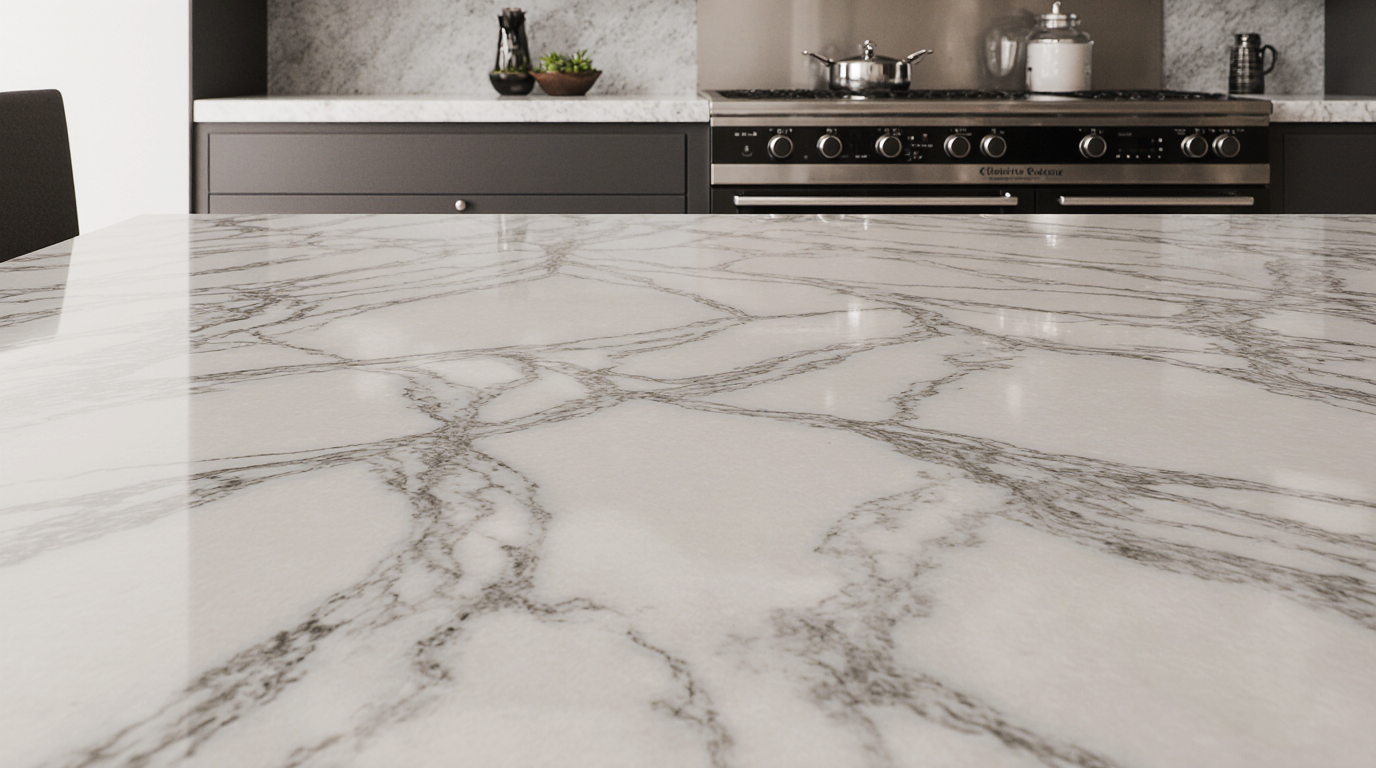
Top-tier marble originates from famous quarries worldwide, showcasing unparalleled natural variations and exquisite visual appeal. Italian Carrara marble is known for gentle grey veining, while Calacatta offers intense, artistic patterns that transform interiors. The origin of the marble plays a crucial role in determining the overall price, as some rare stones are imported at higher costs due to transportation, extraction complexity, and limited availability. A deeper understanding of the marble’s provenance allows homeowners to make informed decisions when balancing aesthetics and budget.
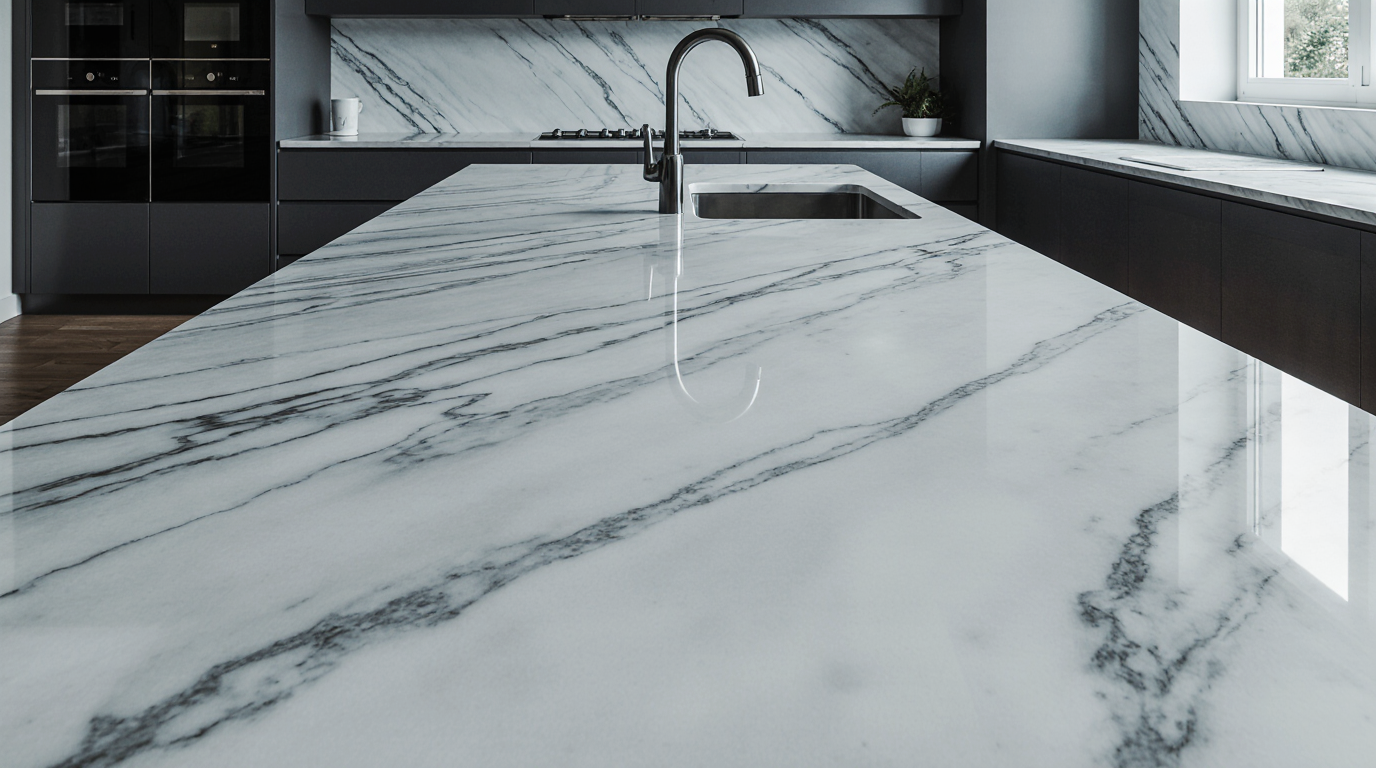
Thickness and finishing techniques also significantly impact the cost of marble countertops. Common marble slabs measure 2–3 cm, yet thicker cuts increase costs as they require more raw material. Additionally, specialized finishes such as polished, honed, or leathered surfaces can increase the final investment. Polished marble enhances shine and veining, while honed provides a subtle, matte sophistication. The leathered approach balances tactile richness with a modern aesthetic, retaining marble’s elegance.
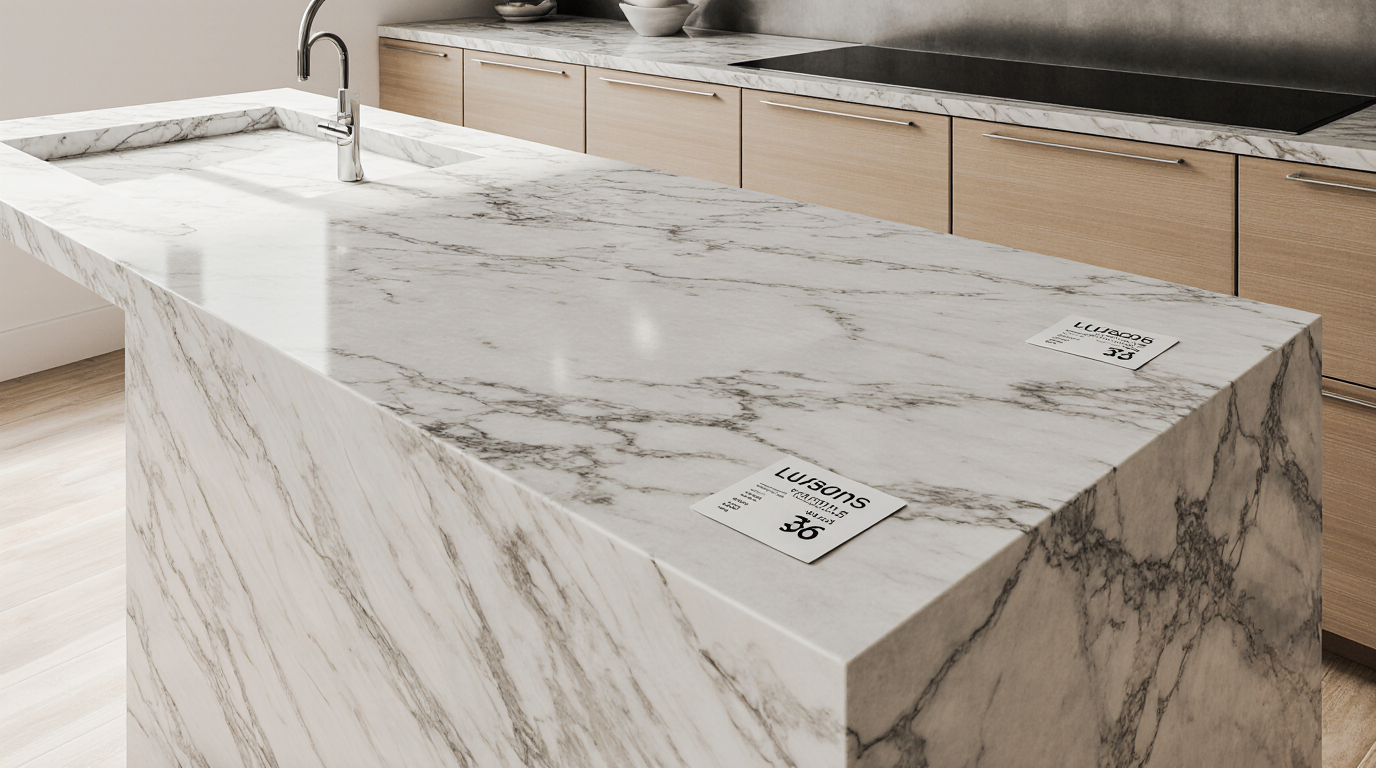
The process of fitting marble slabs considerably influences total investment. Unlike laminate or engineered stone surfaces, marble requires precise cutting, handling, and professional expertise to ensure a perfect fit. Elaborate customization options, including detailed edging, built-in sinks, or waterfall effects, elevate both cost and luxury appeal. Professional installers consider the stone’s weight, the need for proper support, and the delicate handling required to avoid cracks or damage, making skilled labor a critical component of the overall investment.
Long-term care is a key factor in evaluating marble countertop costs. While marble is a durable and long-lasting material, it is porous and susceptible to staining from acidic substances like wine, citrus, or vinegar. To preserve its pristine appearance, sealing is recommended regularly, typically every six to twelve months, depending on use. Ongoing maintenance, including sealant application, must be considered in financial planning. Even accounting for upkeep, marble’s beauty and utility justify its premium, particularly for discerning homeowners.
Comparing marble with alternative materials highlights its unique value proposition. Synthetic or engineered surfaces may be practical, but they lack the authenticity and artistry inherent in marble. Every slab carries unique veining, creating a space imbued with character, style, and sophistication. The cost of marble represents an amalgam of exclusivity, design mastery, and visual splendor, setting it apart from alternatives.
Personalized marble details affect pricing while elevating luxury and style. Homeowners can choose from various edge profiles such as beveled, bullnose, ogee, or chiseled, each contributing to the overall design narrative. Incorporating features like integrated backsplashes, inlays, or multi-level surfaces can elevate the kitchen or bathroom to a truly bespoke environment. Professional design guidance ensures every aspect—from edges to integrated elements—supports both style and practicality. These tailored elements often justify higher investment, as they enhance both usability and aesthetic value.
Where a homeowner resides and stone accessibility influence countertop costs. Location impacts marble prices, with nearby quarries offering lower costs and broader choices compared to remote areas. Additionally, market demand fluctuates based on trends, home renovation seasons, and architectural popularity, influencing the cost per square foot. By analyzing market conditions, buyers can secure premium marble affordably while maintaining design integrity.
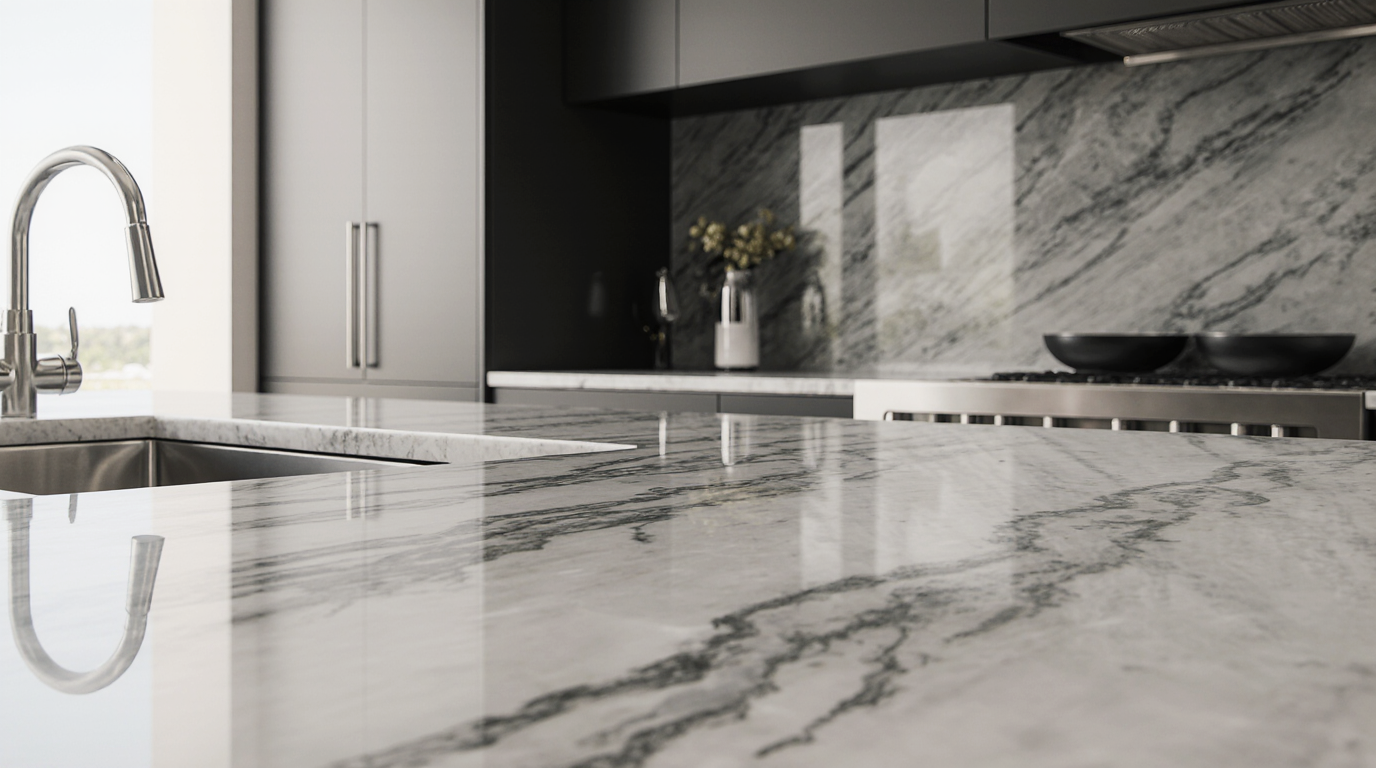
Choosing the right marble is a strategic decision that balances style, functionality, and budget. Lighter marble tones create a sense of spaciousness and brightness, ideal for compact kitchens or bathrooms, whereas darker marbles evoke sophistication and drama, complementing high-end interior designs. The addition of marble surfaces transforms interiors while providing enduring investment value. The luxury perception of marble extends to financial recognition, marking it as both a design and investment decision.
Assessing marble costs involves examining stone grade, origin, slab size, surface finishing, installation precision, upkeep, bespoke elements, and market conditions. Although initially costly, marble’s enduring beauty, distinctiveness, and refinement offer long-term benefits. Selecting quality marble can elevate a room’s aesthetic while ensuring durability for generations. Homeowners seeking sophistication, individuality, and enduring style find marble an unmatched choice that truly enhances the heart of the home.
Marble’s lasting allure is achieved through superior material, skilled craftsmanship, and diligent upkeep, marking it as a wise investment. Each slab tells a story of natural beauty, artistic craftsmanship, and meticulous design, turning ordinary kitchens and bathrooms into extraordinary spaces that reflect personality, taste, and refined living.