Cost of Marble Countertops: Factors, Quality, and Investment Insights
For homeowners planning kitchen or bathroom upgrades, marble countertops represent a statement of refined sophistication and enduring beauty. Marble countertop pricing fluctuates due to variables like stone grade, provenance, slab dimensions, and the intricacy of fitting and finishing. Marble’s distinctive veining and natural elegance create a one-of-a-kind surface, positioning it above conventional countertop materials for those seeking style and longevity. Choosing marble surfaces embodies a homeowner’s dedication to superior materials, refined taste, and a future-proof design investment.
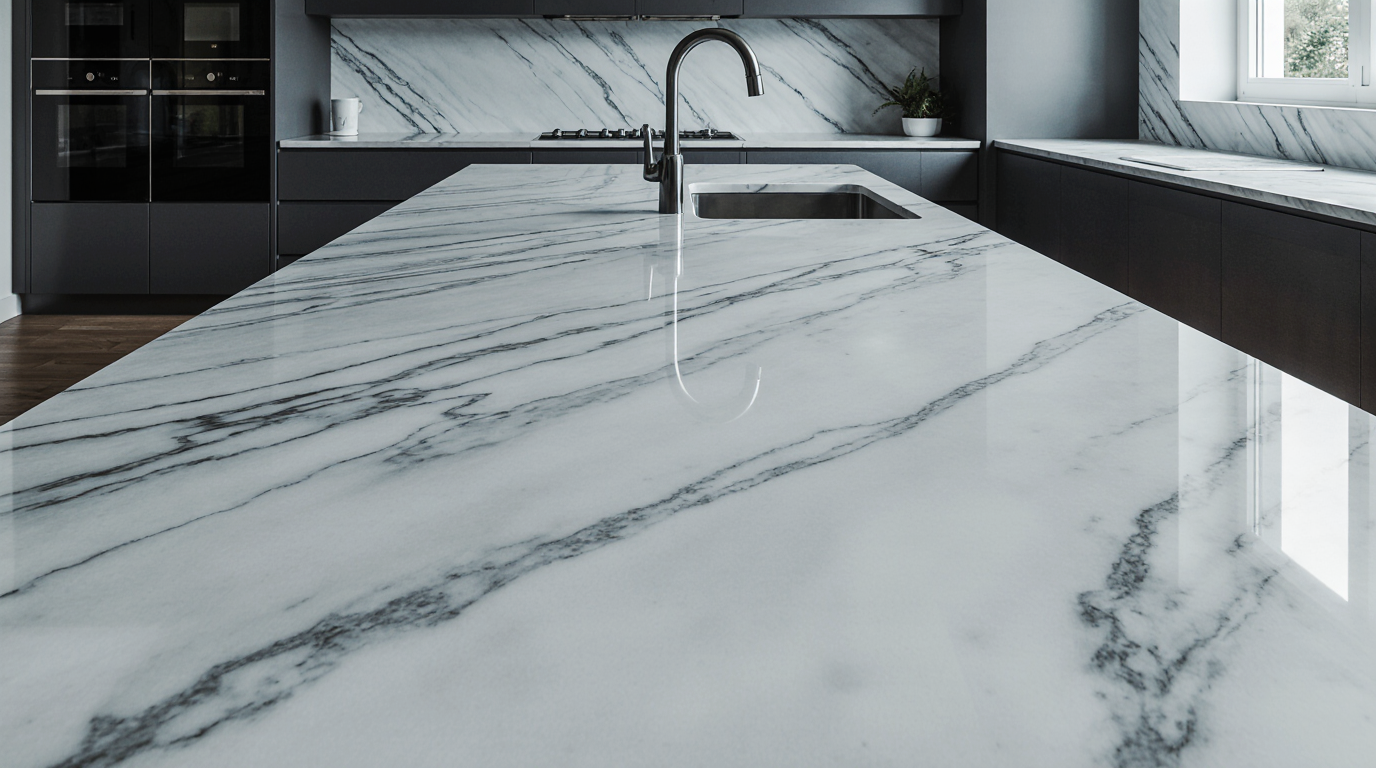
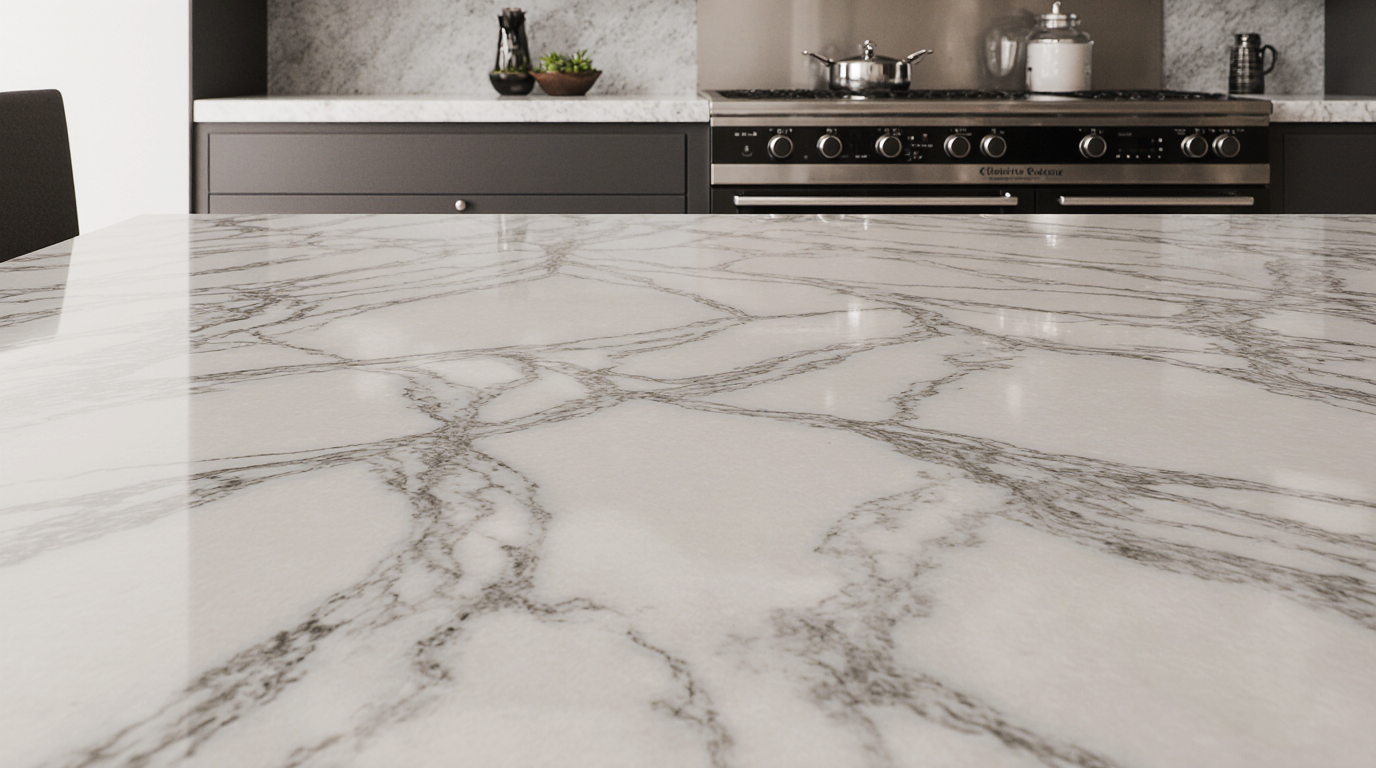
Premium marble is extracted from globally recognized quarries, each offering unique textures and veining patterns. Italian Carrara marble is known for gentle grey veining, while Calacatta offers intense, artistic patterns that transform interiors. Marble provenance significantly influences pricing, as select stones are more expensive due to their exotic origins, extraction difficulty, and limited supply. A deeper understanding of the marble’s provenance allows homeowners to make informed decisions when balancing aesthetics and budget.
The dimensions and surface treatments of marble slabs are major cost determinants. Typical countertop slabs range from 2–3 cm, but larger thicknesses elevate expenses due to the stone volume. Polishing, honing, or leathering the surface further impacts price, reflecting craftsmanship and style choices. Honed finishes deliver gentle texture and muted tones, contrasting with the brilliance of polished marble. Leathered finishes, with their tactile, textured appeal, are increasingly popular for creating a warm, modern look while maintaining the luxurious nature of marble.
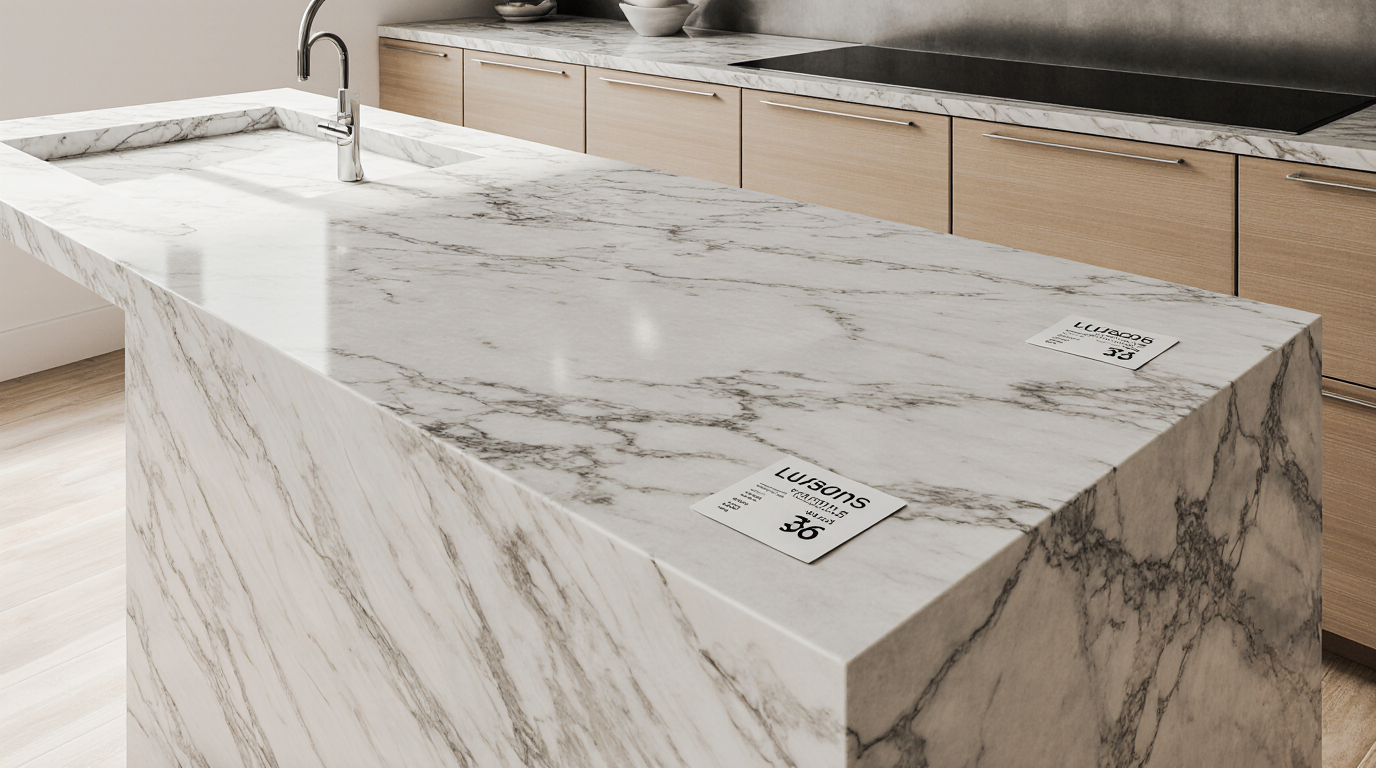
The process of fitting marble slabs considerably influences total investment. Unlike laminate or engineered stone surfaces, marble requires precise cutting, handling, and professional expertise to ensure a perfect fit. Customization, such as creating intricate edges, integrated sinks, or waterfall designs, can elevate installation costs but adds exceptional value to the space. Professional installers consider the stone’s weight, the need for proper support, and the delicate handling required to avoid cracks or damage, making skilled labor a critical component of the overall investment.
Ongoing upkeep affects the overall valuation of marble surfaces. Marble resists wear but is vulnerable to stains from acidic liquids such as wine, lemon, or vinegar. Regular sealing, usually semi-annually to annually, is crucial for protecting marble from stains and preserving its aesthetic. The added expense of sealants and care should be factored into the long-term budget. Even accounting for upkeep, marble’s beauty and utility justify its premium, particularly for discerning homeowners.
Evaluating marble alongside other countertop options emphasizes its unmatched elegance. Alternatives like granite or quartz provide consistency, yet they fail to match marble’s distinctive patterns and refined charm. Every slab carries unique veining, creating a space imbued with character, style, and sophistication. Therefore, the price of marble countertops is not merely a monetary figure—it reflects the combination of rarity, craftsmanship, and visual impact that few other materials can match.
Customization options further influence the cost and enhance the appeal of marble countertops. Homeowners can choose from various edge profiles such as beveled, bullnose, ogee, or chiseled, each contributing to the overall design narrative. Adding multi-tier surfaces, inlays, and seamless backsplashes transforms a space into a tailored luxury setting. Working with experienced designers ensures that every detail aligns with the intended style, functionality, and flow of the space. These tailored elements often justify higher investment, as they enhance both usability and aesthetic value.
Regional availability and logistical factors significantly shape marble pricing. Proximity to marble sources reduces transportation expenses, whereas distant locations incur additional import costs. Supply-demand dynamics, seasonal remodeling trends, and architectural fashions further dictate marble pricing. Knowledge of market trends enables homeowners to make informed purchases, balancing cost, quality, and aesthetic goals.
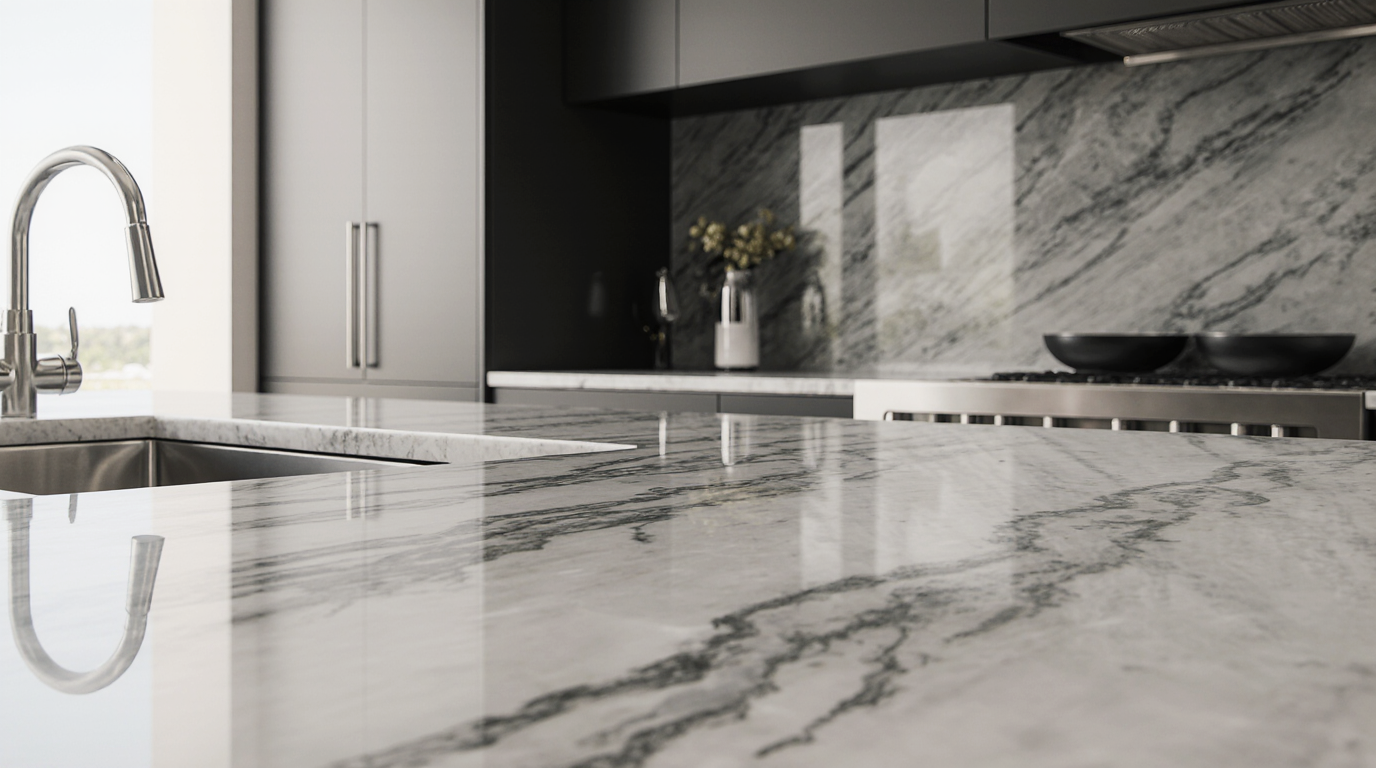
Decision-making around marble involves integrating aesthetics, durability, and investment planning. Lighter marble tones create a sense of spaciousness and brightness, ideal for compact kitchens or bathrooms, whereas darker marbles evoke sophistication and drama, complementing high-end interior designs. Integrating marble countertops into a space is a transformative investment, as it elevates the overall ambiance while maintaining resale value. Prospective buyers often recognize the inherent quality and luxurious appeal, making marble not only a design choice but also a long-term financial asset.
Assessing marble costs involves examining stone grade, origin, slab size, surface finishing, installation precision, upkeep, bespoke elements, and market conditions. Marble’s premium cost is balanced by its unique charm, timeless sophistication, and transformative impact. Investing in marble provides exceptional style and longevity, reshaping interiors with lasting appeal. For those prioritizing elegance, uniqueness, and timeless design, marble remains an unsurpassed option.
Blending high-quality stone, expert fitting, and maintenance highlights marble’s enduring value and opulent appeal. From vein to finish, each marble slab embodies nature’s artwork and human ingenuity, creating spaces of unique character, luxury, and style.