Pricing Marble Countertops: Evaluating Costs, Elegance, and Long-Term Value
When considering a kitchen or bathroom renovation, marble countertops stand out as a symbol of luxury, elegance, and timeless appeal. Costs for marble countertops are determined by numerous elements, including the quality of the marble, source of the slab, slab thickness, and the sophistication required for installation. The individuality of marble veining and inherent visual appeal ensures it remains a top selection for homeowners seeking both beauty and lasting performance. Choosing marble surfaces embodies a homeowner’s dedication to superior materials, refined taste, and a future-proof design investment.
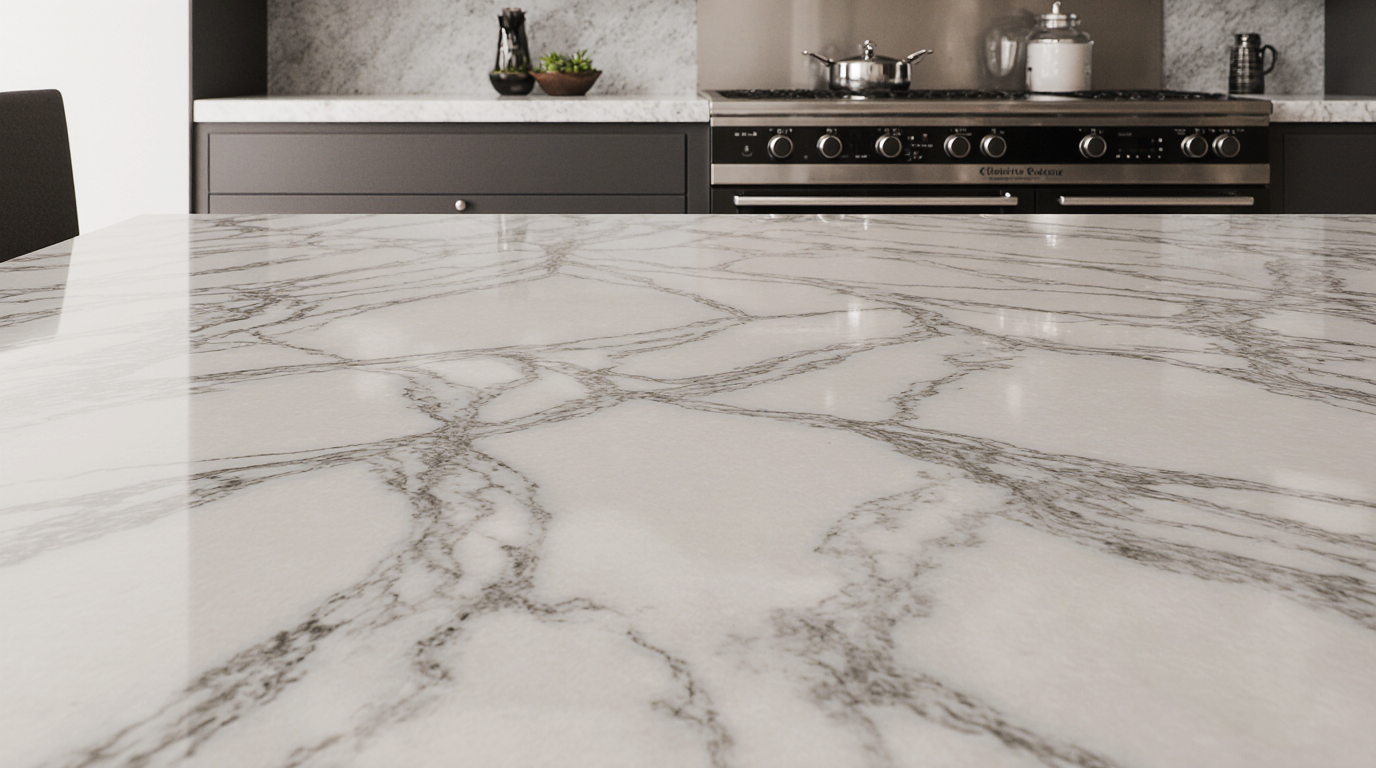
Top-tier marble originates from famous quarries worldwide, showcasing unparalleled natural variations and exquisite visual appeal. Italian Carrara marble is known for gentle grey veining, while Calacatta offers intense, artistic patterns that transform interiors. The origin of the marble plays a crucial role in determining the overall price, as some rare stones are imported at higher costs due to transportation, extraction complexity, and limited availability. Awareness of marble origin empowers buyers to optimize both visual impact and cost-efficiency.
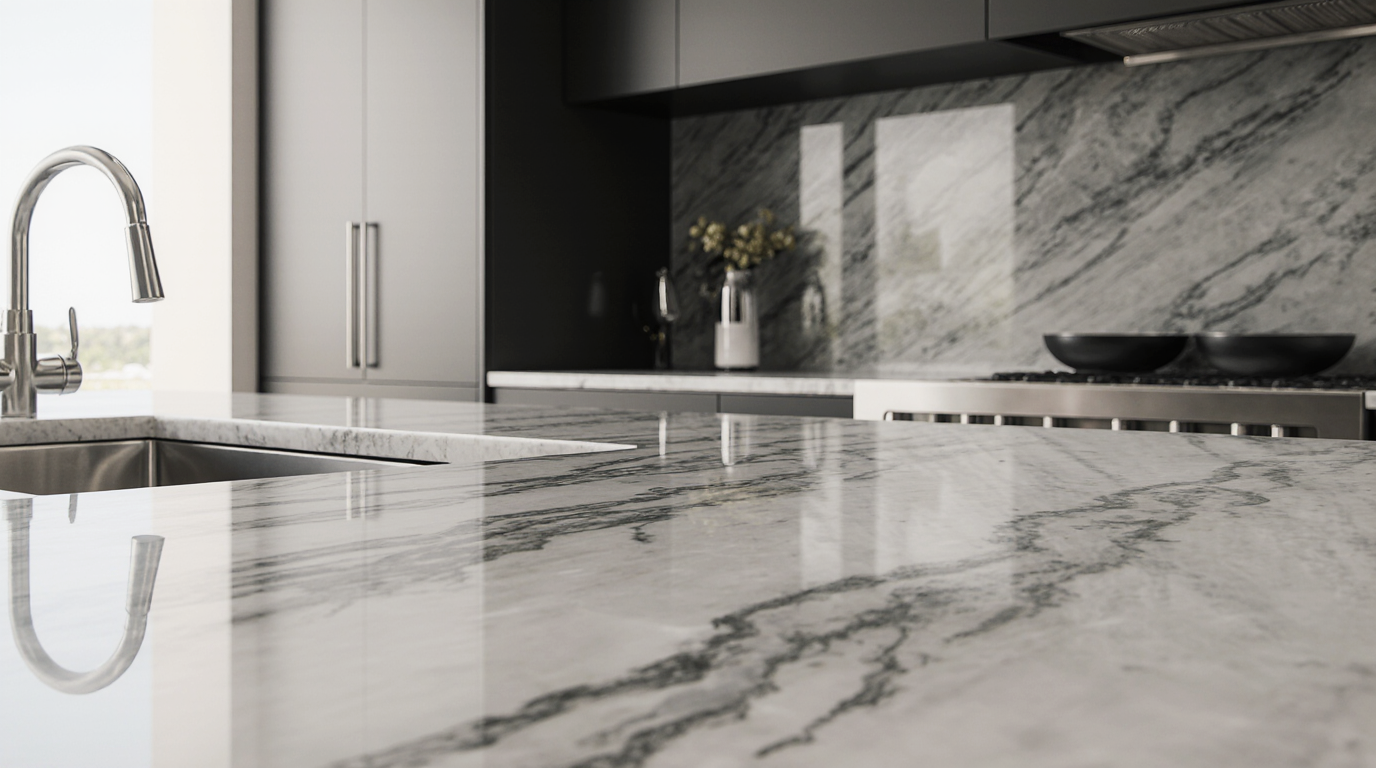
The dimensions and surface treatments of marble slabs are major cost determinants. Common marble slabs measure 2–3 cm, yet thicker cuts increase costs as they require more raw material. Additionally, specialized finishes such as polished, honed, or leathered surfaces can increase the final investment. Honed finishes deliver gentle texture and muted tones, contrasting with the brilliance of polished marble. Leathered finishes, with their tactile, textured appeal, are increasingly popular for creating a warm, modern look while maintaining the luxurious nature of marble.
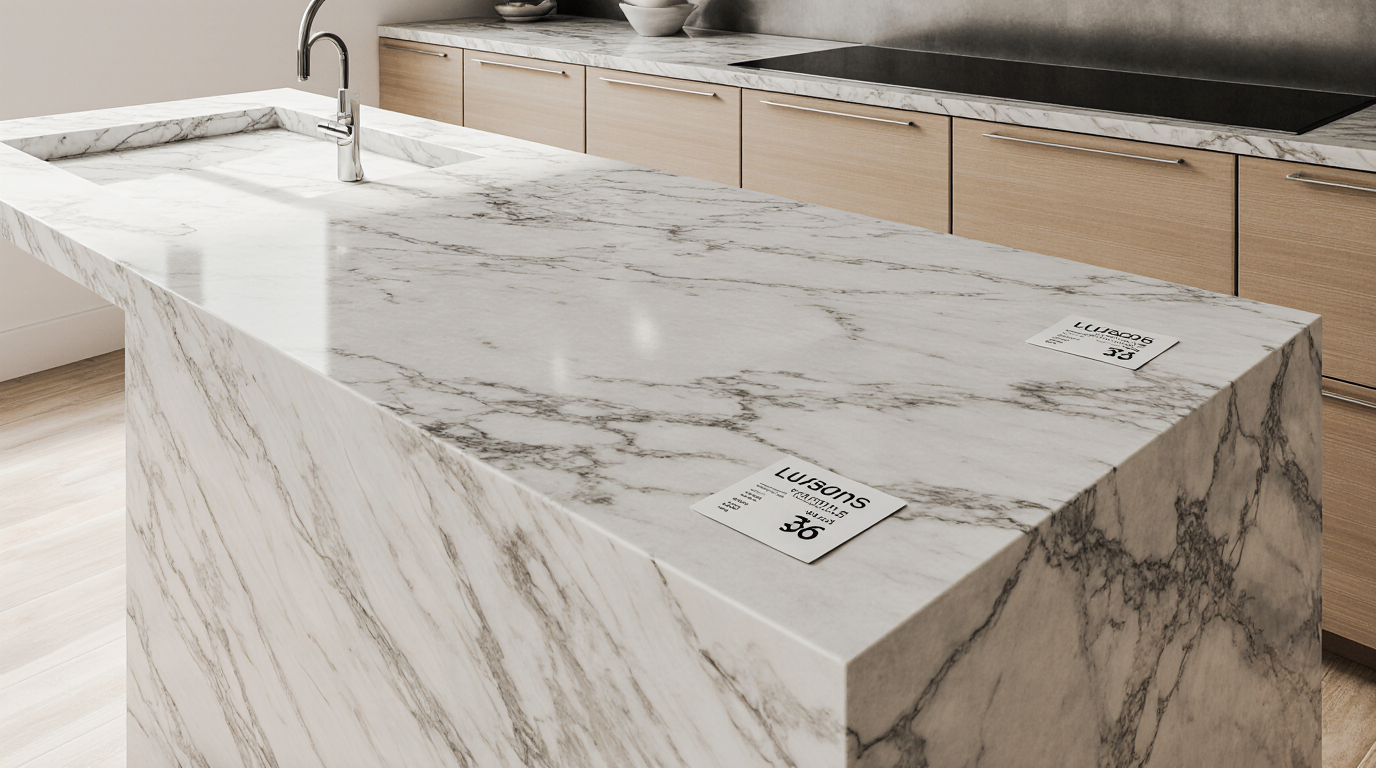
Professional marble installation significantly affects overall countertop cost. Unlike laminate or engineered stone surfaces, marble requires precise cutting, handling, and professional expertise to ensure a perfect fit. Elaborate customization options, including detailed edging, built-in sinks, or waterfall effects, elevate both cost and luxury appeal. Skilled professionals manage marble’s mass, support requirements, and fragile nature, ensuring installation quality and protecting investment.
Long-term care is a key factor in evaluating marble countertop costs. While marble is a durable and long-lasting material, it is porous and susceptible to staining from acidic substances like wine, citrus, or vinegar. Applying sealant periodically, every six to twelve months, safeguards marble’s appearance and longevity. The added expense of sealants and care should be factored into the long-term budget. Marble’s elegance and lasting functionality frequently surpass maintenance demands, cementing its value as a long-term investment.
Comparing marble with alternative materials highlights its unique value proposition. While quartz, granite, or solid surface countertops may offer more uniformity and lower maintenance, they cannot replicate the natural elegance and individuality of marble. Each marble slab is one-of-a-kind, offering unparalleled patterns and textures that transform a room into a statement of refined taste. Marble pricing encapsulates scarcity, artisanal effort, and aesthetic influence, rather than being just a number.
Tailoring marble countertops adds both expense and distinctive elegance. Homeowners can choose from various edge profiles such as beveled, bullnose, ogee, or chiseled, each contributing to the overall design narrative. Adding multi-tier surfaces, inlays, and seamless backsplashes transforms a space into a tailored luxury setting. Professional design guidance ensures every aspect—from edges to integrated elements—supports both style and practicality. Custom touches elevate both design sophistication and functional performance, validating added expense.
Geographic location and availability of materials also affect pricing trends for marble countertops. Proximity to marble sources reduces transportation expenses, whereas distant locations incur additional import costs. Trends, seasonal demand, and design popularity directly affect the per-square-foot cost of marble. Knowledge of market trends enables homeowners to make informed purchases, balancing cost, quality, and aesthetic goals.
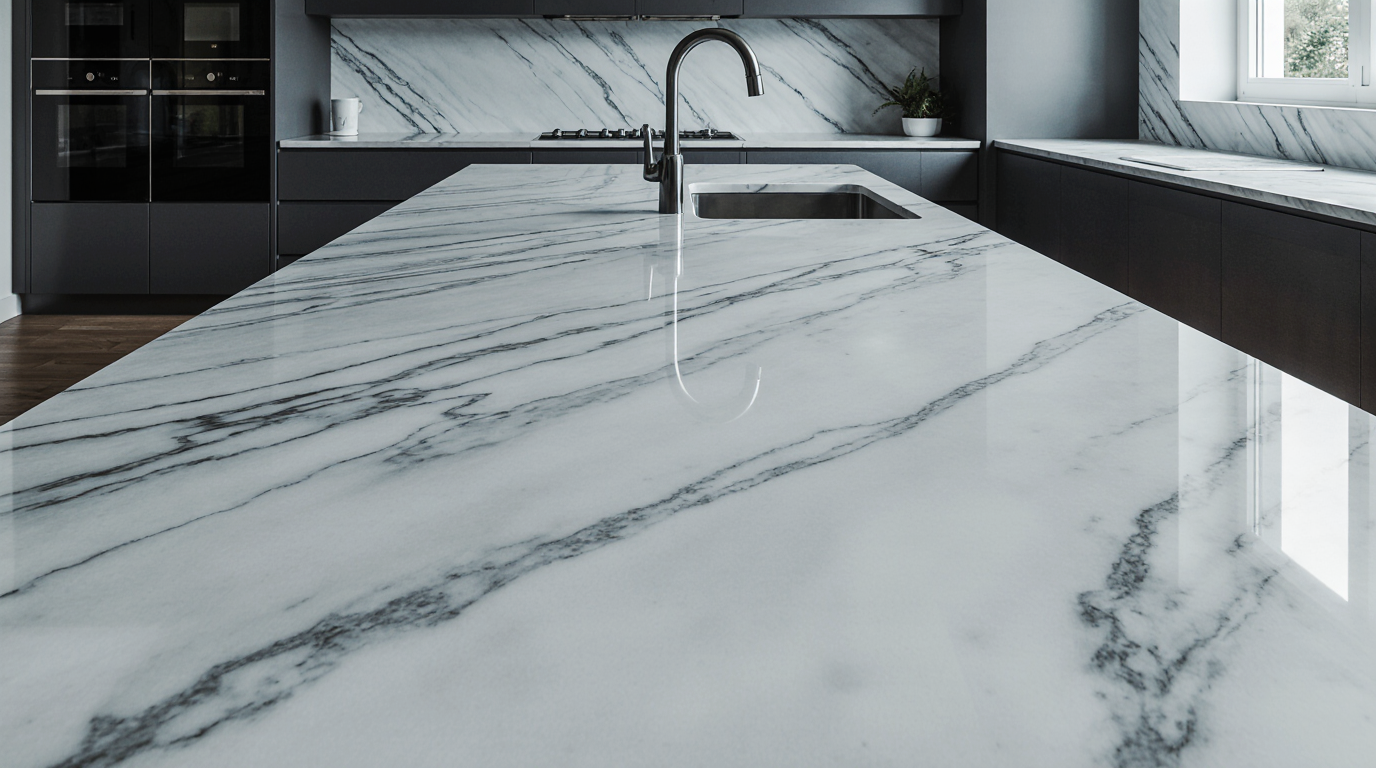
Selecting marble requires harmonizing appearance, practicality, and financial considerations. Light-colored marble opens spaces visually, whereas darker varieties introduce depth, richness, and luxury appeal. The addition of marble surfaces transforms interiors while providing enduring investment value. Marble’s unmistakable quality is acknowledged by future owners, reinforcing its value beyond aesthetics.
Determining marble pricing necessitates attention to quality, provenance, dimension, finish, installation, maintenance, personalization, and supply-demand dynamics. While marble represents a higher upfront investment compared to alternative surfaces, its elegance, uniqueness, and timeless appeal make it a valuable addition to any home. Investing in marble provides exceptional style and longevity, reshaping interiors with lasting appeal. Marble fulfills aspirations for refined taste, distinct character, and sustainable luxury.
The combination of premium material, professional installation, and ongoing care underscores the long-term value of marble countertops, making them a symbol of both luxury and smart investment. Each slab tells a story of natural beauty, artistic craftsmanship, and meticulous design, turning ordinary kitchens and bathrooms into extraordinary spaces that reflect personality, taste, and refined living.