Marble Countertop Price: Understanding Costs, Quality, and Investment Value
When considering a kitchen or bathroom renovation, marble countertops stand out as a symbol of luxury, elegance, and timeless appeal. Costs for marble countertops are determined by numerous elements, including the quality of the marble, source of the slab, slab thickness, and the sophistication required for installation. The individuality of marble veining and inherent visual appeal ensures it remains a top selection for homeowners seeking both beauty and lasting performance. Investing in a marble countertop is not just about the surface itself; it reflects a commitment to quality, prestige, and long-term value in interior design.
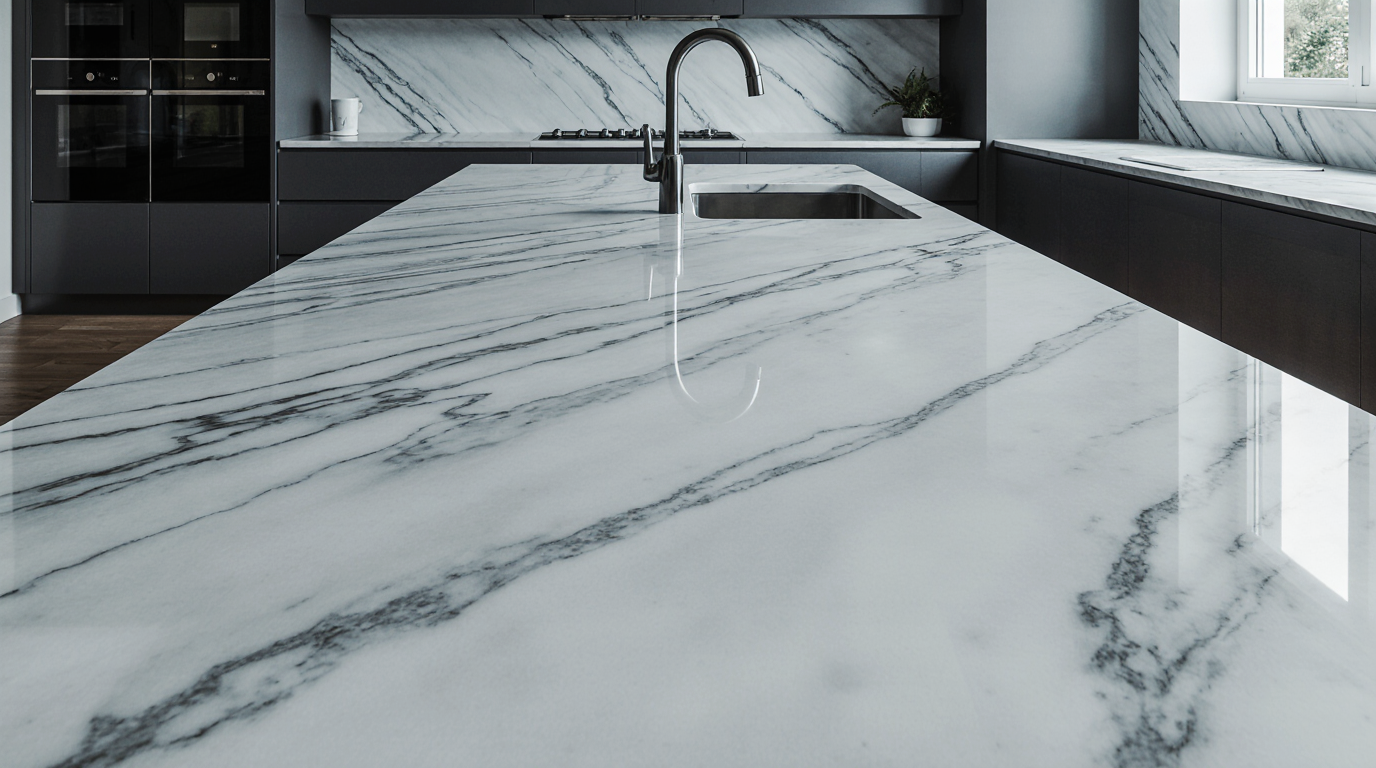
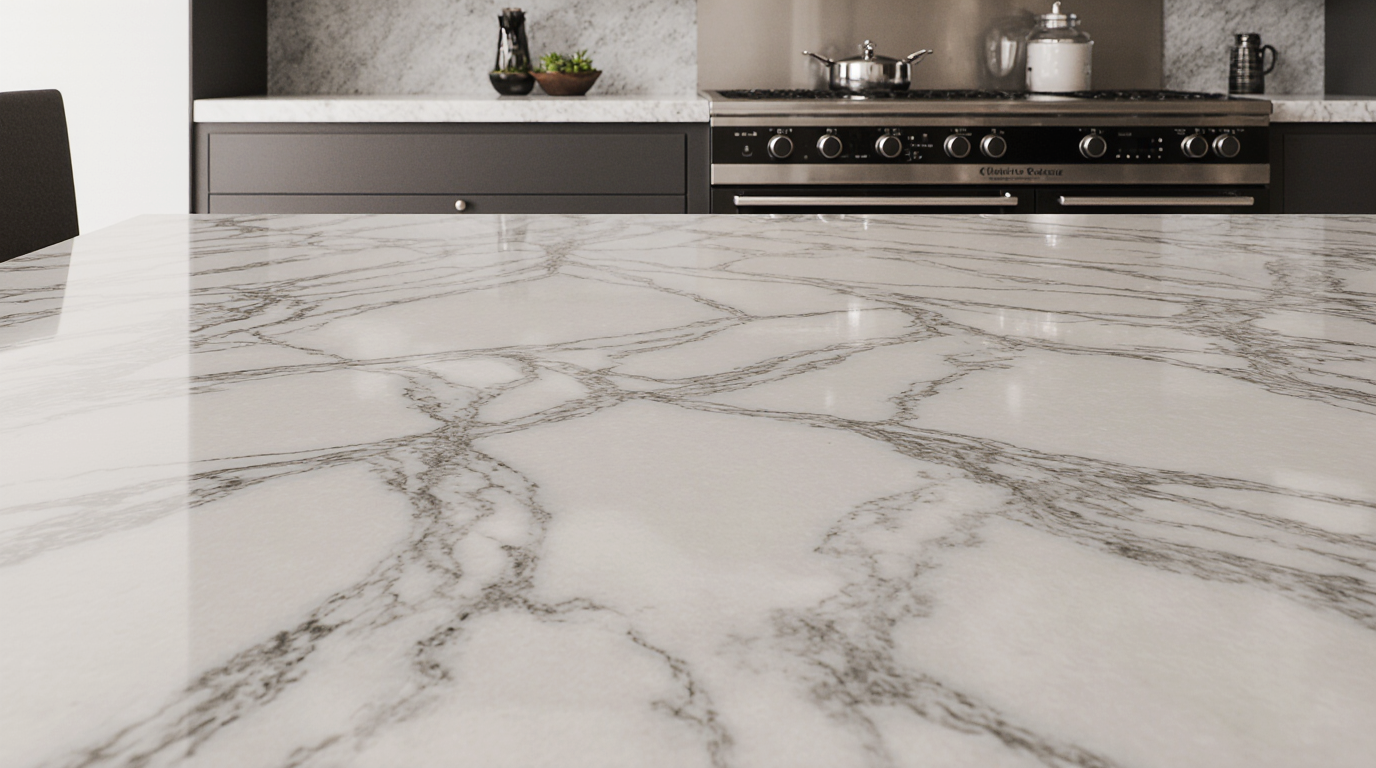
Premium marble is extracted from globally recognized quarries, each offering unique textures and veining patterns. Carrara marble presents subtle grey veins on a white base, whereas Calacatta delivers striking, pronounced patterns ideal for luxurious spaces. The origin of the marble plays a crucial role in determining the overall price, as some rare stones are imported at higher costs due to transportation, extraction complexity, and limited availability. A deeper understanding of the marble’s provenance allows homeowners to make informed decisions when balancing aesthetics and budget.
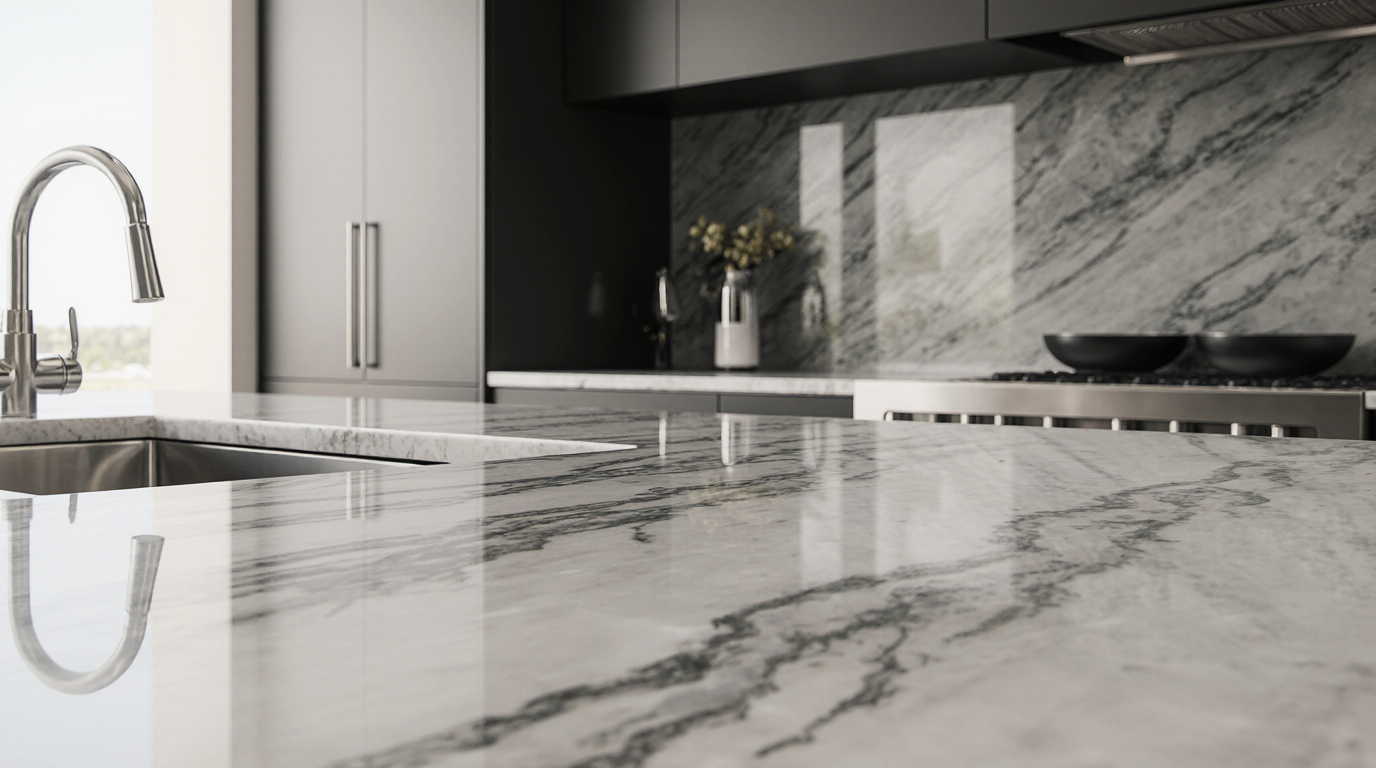
Thickness and finishing techniques also significantly impact the cost of marble countertops. Standard countertops are typically 2 to 3 centimeters thick, with thicker slabs naturally demanding higher prices due to the larger quantity of raw stone. The type of finish—polished, honed, or leathered—adds another layer of cost, showcasing technique and sophistication. Honed finishes deliver gentle texture and muted tones, contrasting with the brilliance of polished marble. Leathered marble, offering tactile depth and understated glamour, has become a contemporary favorite.
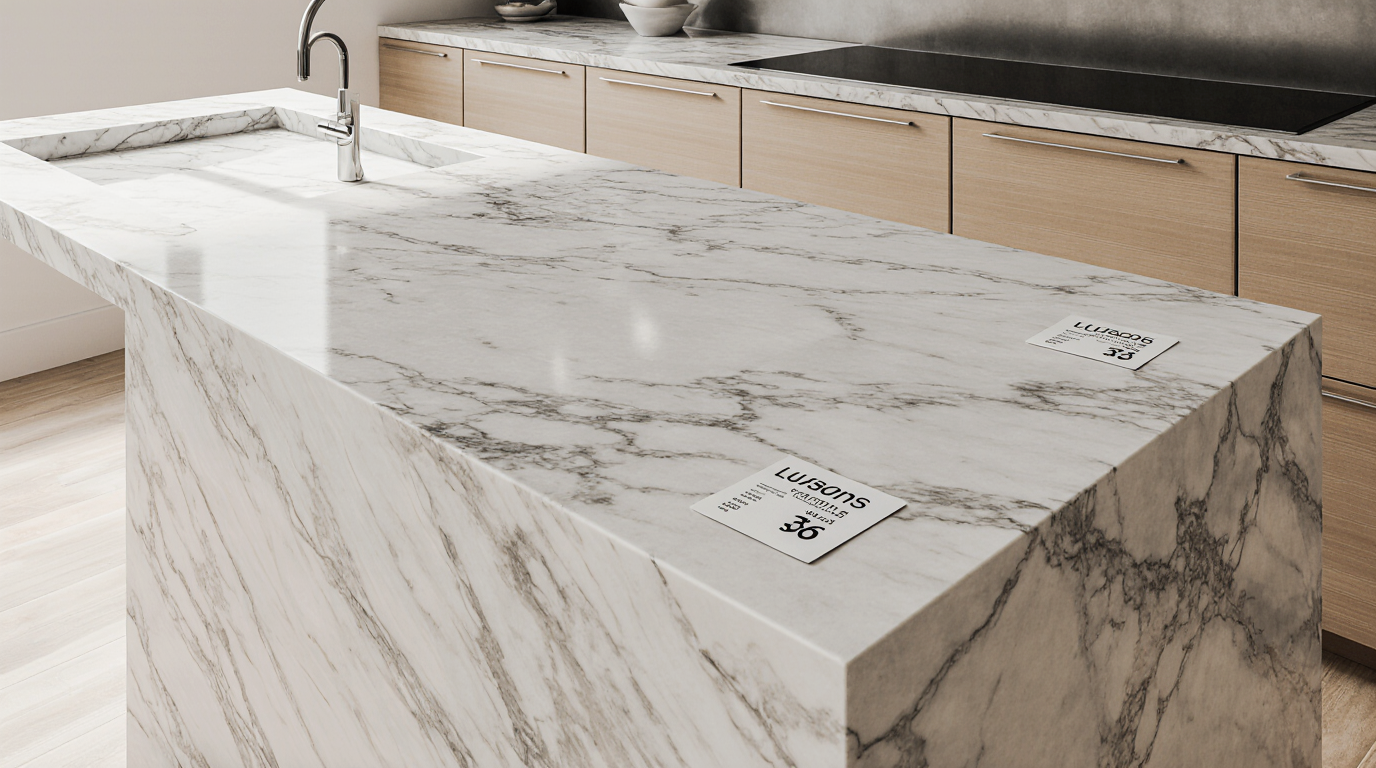
The process of fitting marble slabs considerably influences total investment. Marble installation demands specialized skills, careful handling, and precision cutting, unlike more forgiving materials. Elaborate customization options, including detailed edging, built-in sinks, or waterfall effects, elevate both cost and luxury appeal. Skilled professionals manage marble’s mass, support requirements, and fragile nature, ensuring installation quality and protecting investment.
Maintenance requirements also play a role in understanding the true cost of marble countertops. Despite its durability, marble is porous and can be marked by acidic spills, requiring mindful maintenance. To preserve its pristine appearance, sealing is recommended regularly, typically every six to twelve months, depending on use. The added expense of sealants and care should be factored into the long-term budget. Despite these considerations, the aesthetic and functional benefits of marble often outweigh the ongoing maintenance, especially for homeowners seeking a sophisticated and enduring addition to their property.
Evaluating marble alongside other countertop options emphasizes its unmatched elegance. While quartz, granite, or solid surface countertops may offer more uniformity and lower maintenance, they cannot replicate the natural elegance and individuality of marble. Each marble slab is one-of-a-kind, offering unparalleled patterns and textures that transform a room into a statement of refined taste. The cost of marble represents an amalgam of exclusivity, design mastery, and visual splendor, setting it apart from alternatives.
Customization options further influence the cost and enhance the appeal of marble countertops. Edge detailing, from beveled to ogee, influences both price and design sophistication. Adding multi-tier surfaces, inlays, and seamless backsplashes transforms a space into a tailored luxury setting. Collaboration with skilled designers guarantees that marble features harmonize with overall aesthetics and usability. These tailored elements often justify higher investment, as they enhance both usability and aesthetic value.
Geographic location and availability of materials also affect pricing trends for marble countertops. Location impacts marble prices, with nearby quarries offering lower costs and broader choices compared to remote areas. Supply-demand dynamics, seasonal remodeling trends, and architectural fashions further dictate marble pricing. Knowledge of market trends enables homeowners to make informed purchases, balancing cost, quality, and aesthetic goals.
Decision-making around marble involves integrating aesthetics, durability, and investment planning. Soft, pale marble enhances light and space in smaller areas, while deep-toned slabs project opulence and elegance. Marble integration enhances room ambiance and boosts long-term property worth. Prospective buyers often recognize the inherent quality and luxurious appeal, making marble not only a design choice but also a long-term financial asset.
Assessing marble costs involves examining stone grade, origin, slab size, surface finishing, installation precision, upkeep, bespoke elements, and market conditions. While marble represents a higher upfront investment compared to alternative surfaces, its elegance, uniqueness, and timeless appeal make it a valuable addition to any home. Investing in marble provides exceptional style and longevity, reshaping interiors with lasting appeal. Homeowners seeking sophistication, individuality, and enduring style find marble an unmatched choice that truly enhances the heart of the home.
The combination of premium material, professional installation, and ongoing care underscores the long-term value of marble countertops, making them a symbol of both luxury and smart investment. Every marble piece narrates a tale of geological artistry and design finesse, transforming mundane interiors into bespoke showcases of elegance.