Understanding the True Cost of Replacing Kitchen Countertops: Value and Options
When planning a kitchen renovation, one of the most significant considerations is the cost of replacing countertops, given that countertops are both essential for daily culinary tasks and central to establishing the kitchen’s aesthetic. The decision to purchase premium materials reflects not just durability considerations but also long-term aesthetic investment, highlighting the importance of understanding pricing variables. Cost differences typically arise from factors like material type, labor intensity, intricate designs, and installation difficulty, which explain the broad spectrum of pricing.
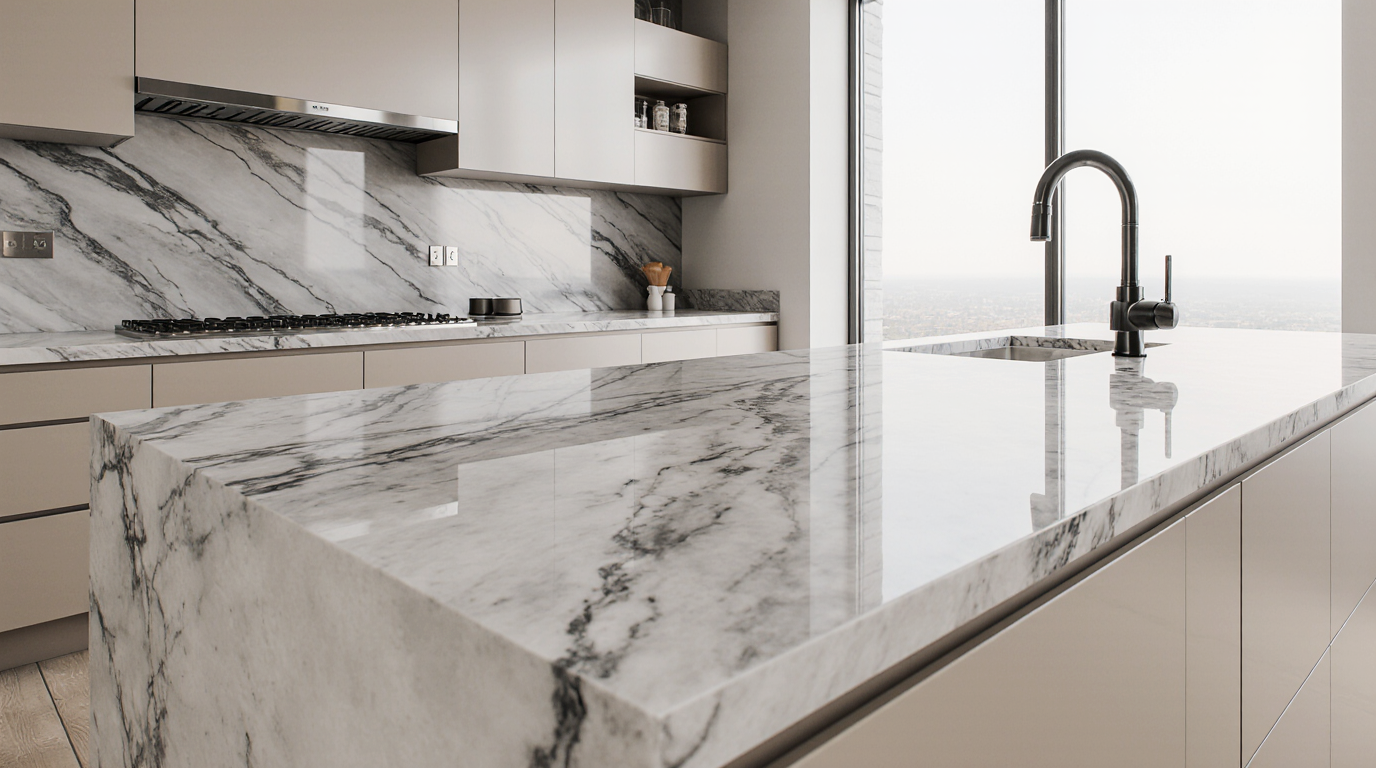
Materials remain the most critical determinant of countertop costs, since granite offers superior durability, elegant veining, and excellent heat tolerance, securing its place among popular selections. Depending on hue, rarity, and cut, granite can range from accessible to ultra-luxurious pricing tiers. Engineered quartz provides a blend of practical maintenance and visual uniformity, appealing to modern kitchen designs despite a premium cost. Natural marble offers elegance and sophistication but requires sealing and careful maintenance, potentially raising total costs. Meanwhile, solid surfaces such as Corian or other engineered stones deliver sleek, seamless finishes but vary in price according to brand, quality, and customization options.
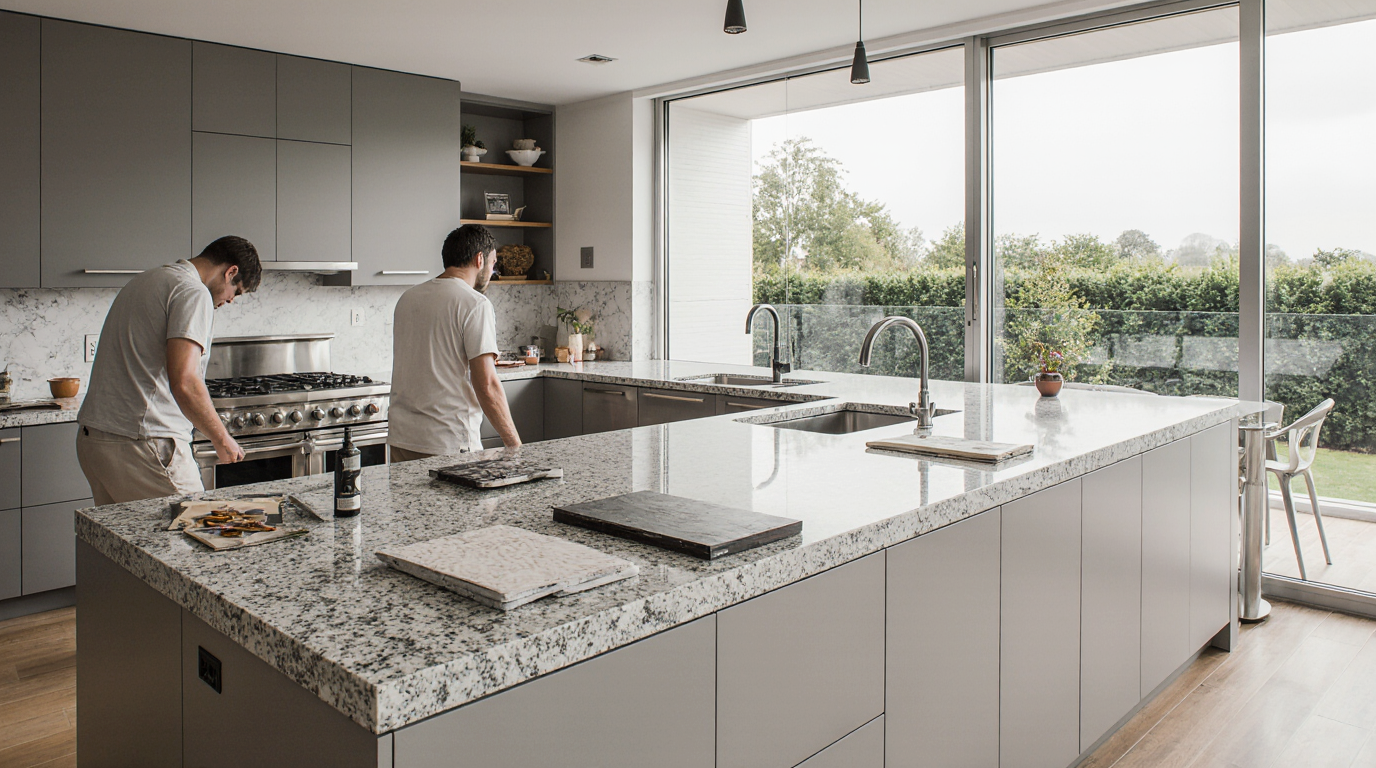
Professional installation represents a significant fraction of the total cost, due to skill and precision required. Although installing countertops may appear straightforward, precise measurement, cutting, and fitting demand trained professionals. Incorrectly installed countertops can result in cracks, leaks, misalignment, and diminished aesthetics. Experienced installers guarantee properly finished edges, minimal seams, and level surfaces, especially important for heavy materials like granite and marble. Complicated designs, multi-section islands, and embedded features naturally increase labor costs.
The condition of existing cabinetry and surfaces also affects replacement costs. Demolition of prior countertops may necessitate repairs or reinforcements, increasing the overall project scope. Homes with aging kitchens might require extra reinforcement or layout modifications to accommodate modern countertop dimensions, raising the overall investment. Considering the longevity of materials is vital; while budget-friendly laminates offer low upfront costs, they wear faster, leading to earlier replacement and higher long-term spending.
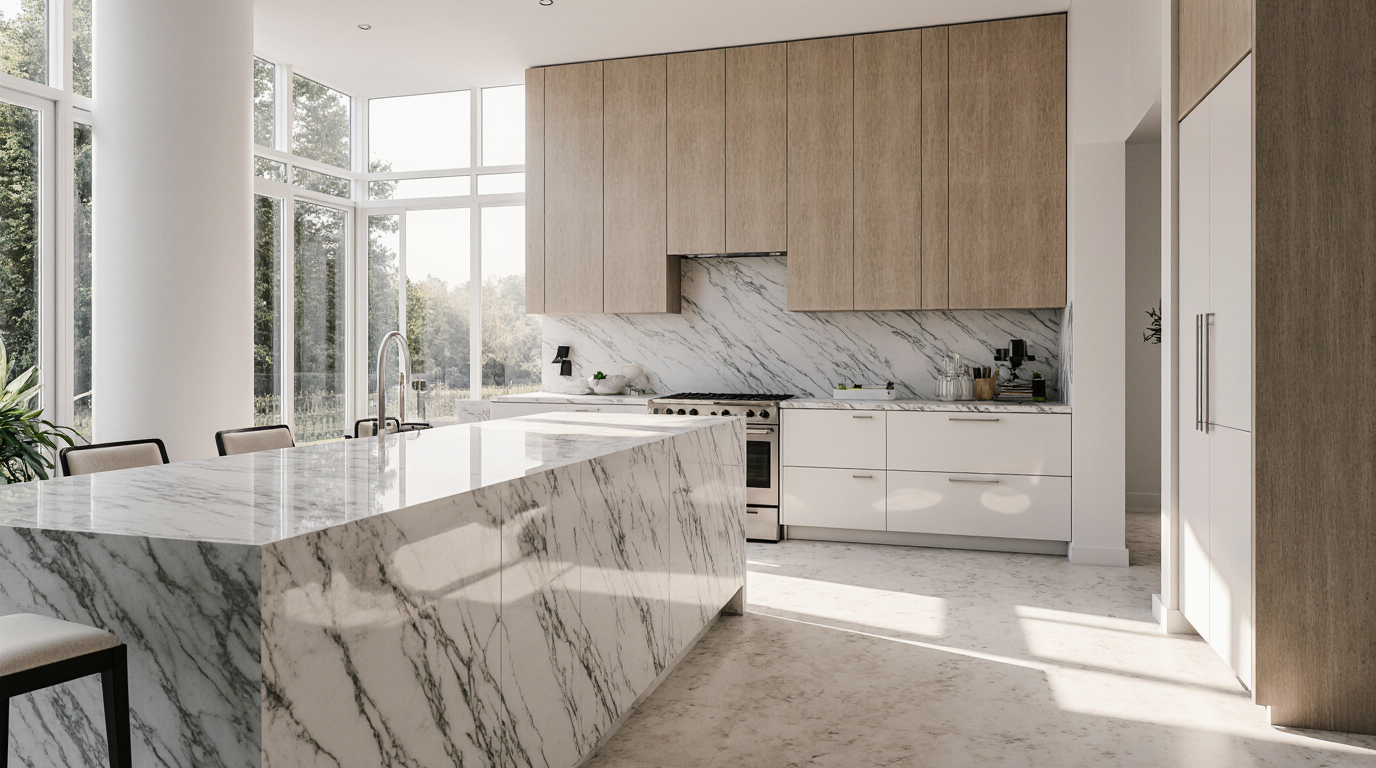
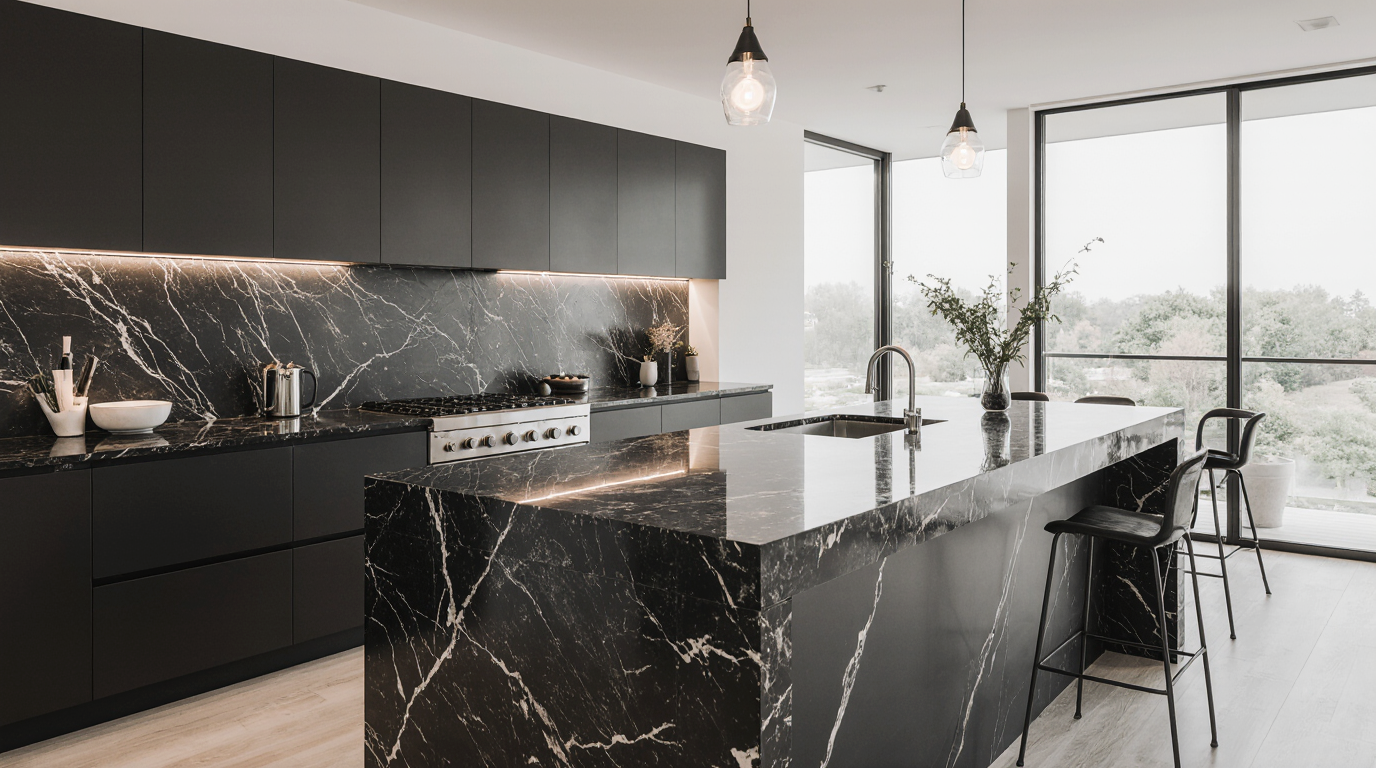
Sophisticated design choices, such as waterfalls, inlays, and unique edge profiles, contribute substantially to total countertop expenses. Complex features such as waterfall countertops or embedded designs necessitate precise cutting and skilled craftsmanship, naturally raising labor fees. Executing waterfall designs involves meticulous alignment of slabs, careful fabrication, and increased attention to prevent chipping. Inlays and artistic patterns also require exceptional skill, increasing both labor costs and project timelines. Achieving a harmonious blend of design excellence and cost efficiency is crucial for a successful kitchen upgrade.
Long-term upkeep considerations impact the real value of countertop materials. High-quality quartz and granite surfaces offer low-maintenance durability, making them cost-effective over the long term. Marble surfaces, though luxurious, necessitate regular care to maintain appearance, adding subtle long-term costs. Knowledge of maintenance needs empowers homeowners to select materials that minimize unforeseen costs while maximizing aesthetic appeal. Matching countertop characteristics to practical lifestyle demands enhances both performance and visual enjoyment over years of use.
Geography and market fluctuations are important determinants in countertop project expenses. Prices differ widely between urban and rural areas due to labor rates, material availability, and delivery logistics. Keeping an eye on seasonal trends or supplier promotions can reduce overall costs without compromising quality. Professional kitchen designers can further improve cost efficiency through optimal layout and material selection guidance.
Professional installation by qualified contractors ensures quality and peace of mind. High-quality professionals advise on material types, offer detailed cost breakdowns, and ensure precise fitting. Warranties offered by professionals mitigate risk and add confidence in the durability of the work. Do-it-yourself installation of stone countertops carries high risk and often proves more expensive than professional services.
Ultimately, understanding kitchen countertop replacement costs requires a holistic approach considering materials, labor, design complexity, maintenance, and market influences. Premium materials and expert installation create kitchens that combine elegance with durability. Selecting surfaces that harmonize beauty, durability, and cost efficiency maximizes satisfaction. Detailed planning with awareness of these factors guarantees that countertop replacement enhances both visual charm and practical utility.
A well-informed, detailed approach allows for seamless countertop replacement, delivering a sophisticated, resilient, and functional kitchen space.