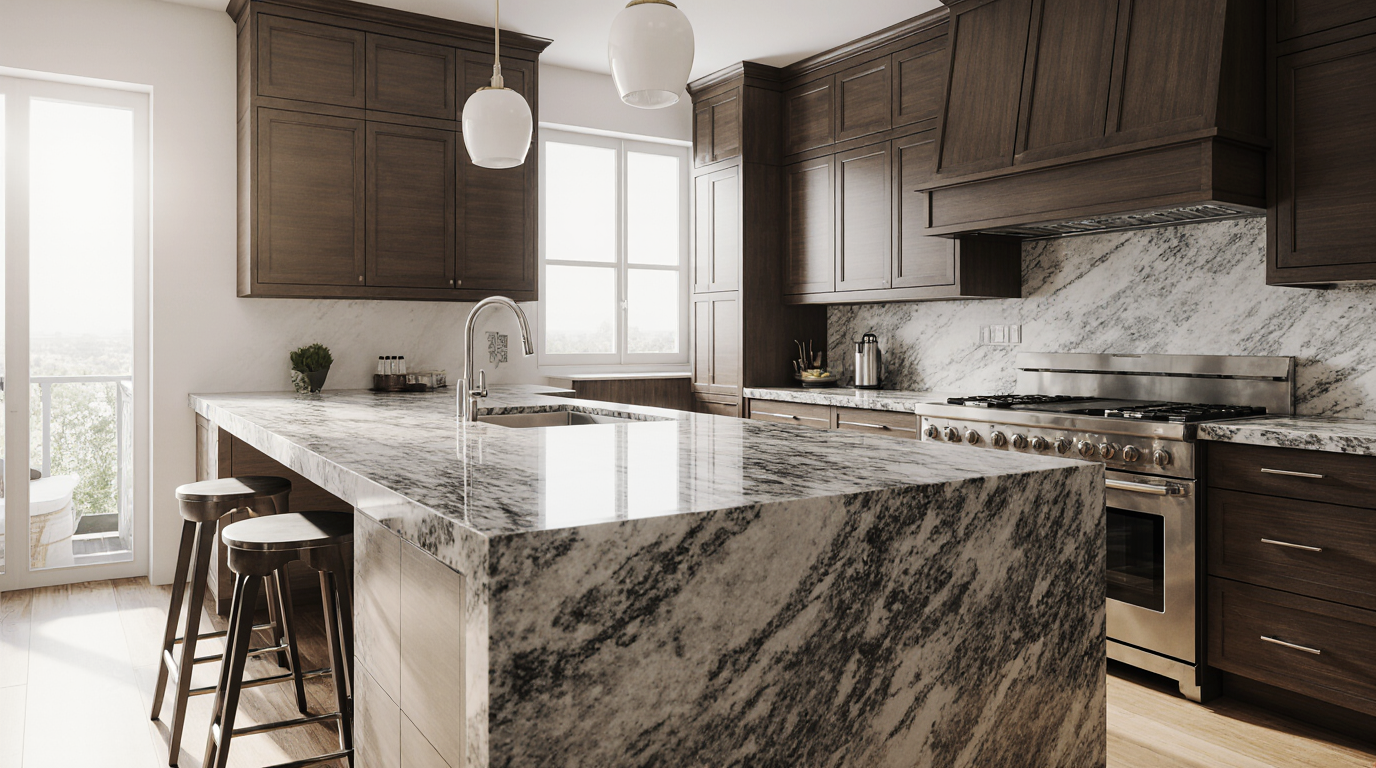
Granite and Quartz Countertops – Ultimate Guide for Stylish and Durable Surfaces
Granite and quartz countertops symbolize the height of high-end culinary surfaces and interior elegance, blending resilience with exceptional visual beauty. residents today are increasingly drawn to these materials for their everlasting beauty, superior strength, and the ability to boost property value. Granite, a natural stone formed over millions of years, offers one-of-a-kind textures and chromatic diversity in every slab, creating unparalleled individuality. Its inherent hardness ensures resistance against scratches, heat, and daily wear, which is why granite countertops are widely favored for intensively used kitchens. Quartz, on the other hand, is an artificially crafted material that combines natural quartz crystals with resins and pigments, offering predictable patterns in hue and texture along with superior stain resistance.
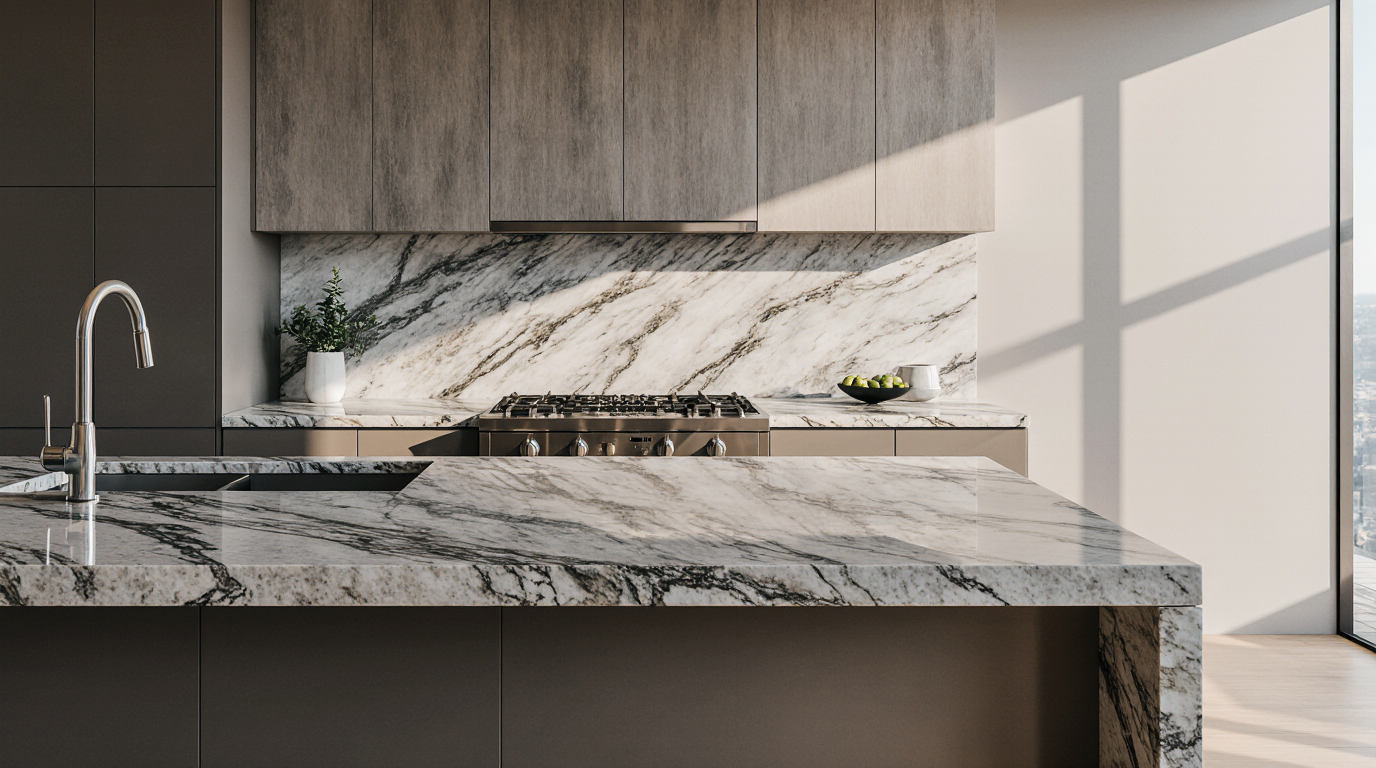
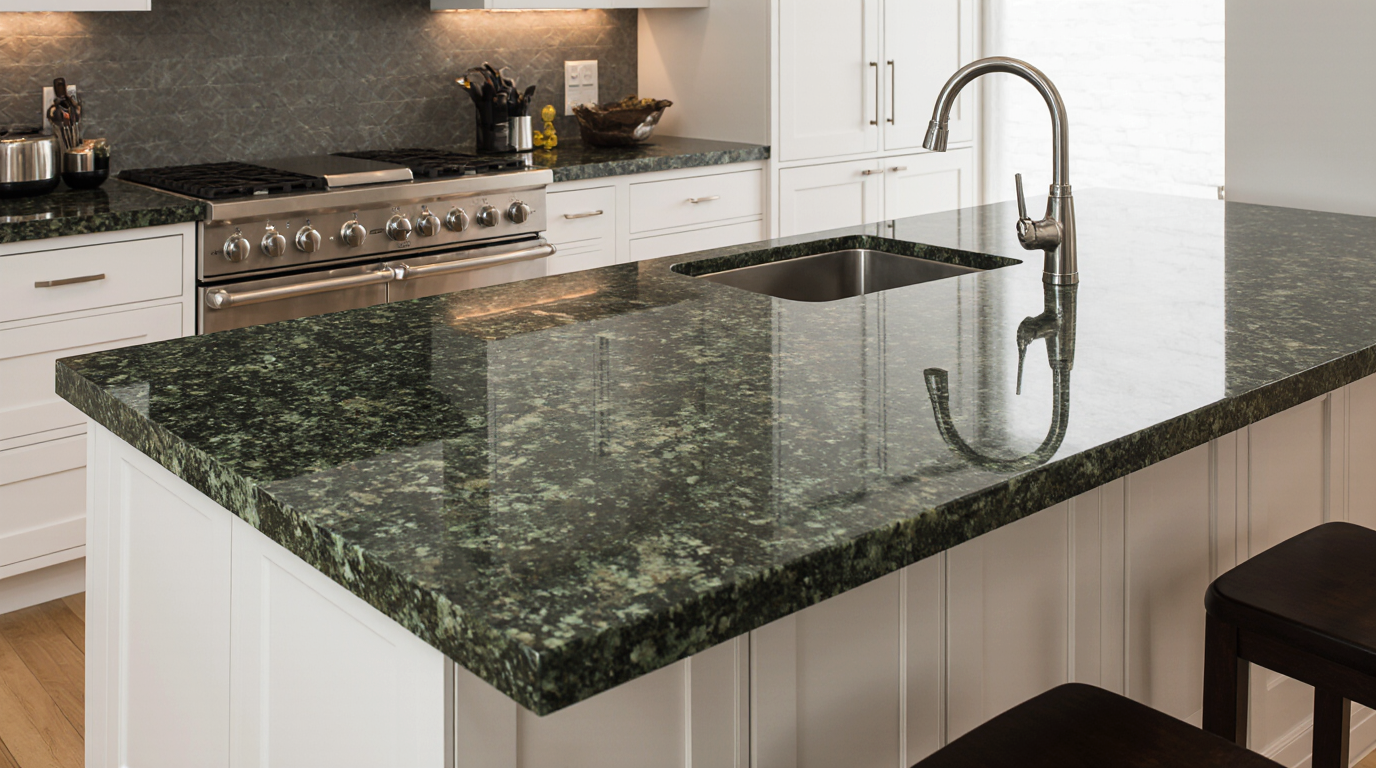
One of the most significant perks of granite countertops is the earthly charm and richness that natural rock exhibits. Each slab narrates its history, with marbled streaks, subtle flecks, and natural inclusions that draw attention and accentuate any interior style. Granite is offered in numerous tones, from ebony blacks and coffee browns to soft whites and muted greys, allowing homeowners to match their countertop to cabinets, backsplashes, and flooring with ease. Beyond stylistic charm, granite is an wise property enhancement due to its robustness. Its resistance to thermal stress makes it ideal for kitchens, where frequent high-temperature use occurs. Furthermore, with proper sealing, granite resists stains from common kitchen substances such as wine, coffee, and oils, ensuring lasting pristine appearance.
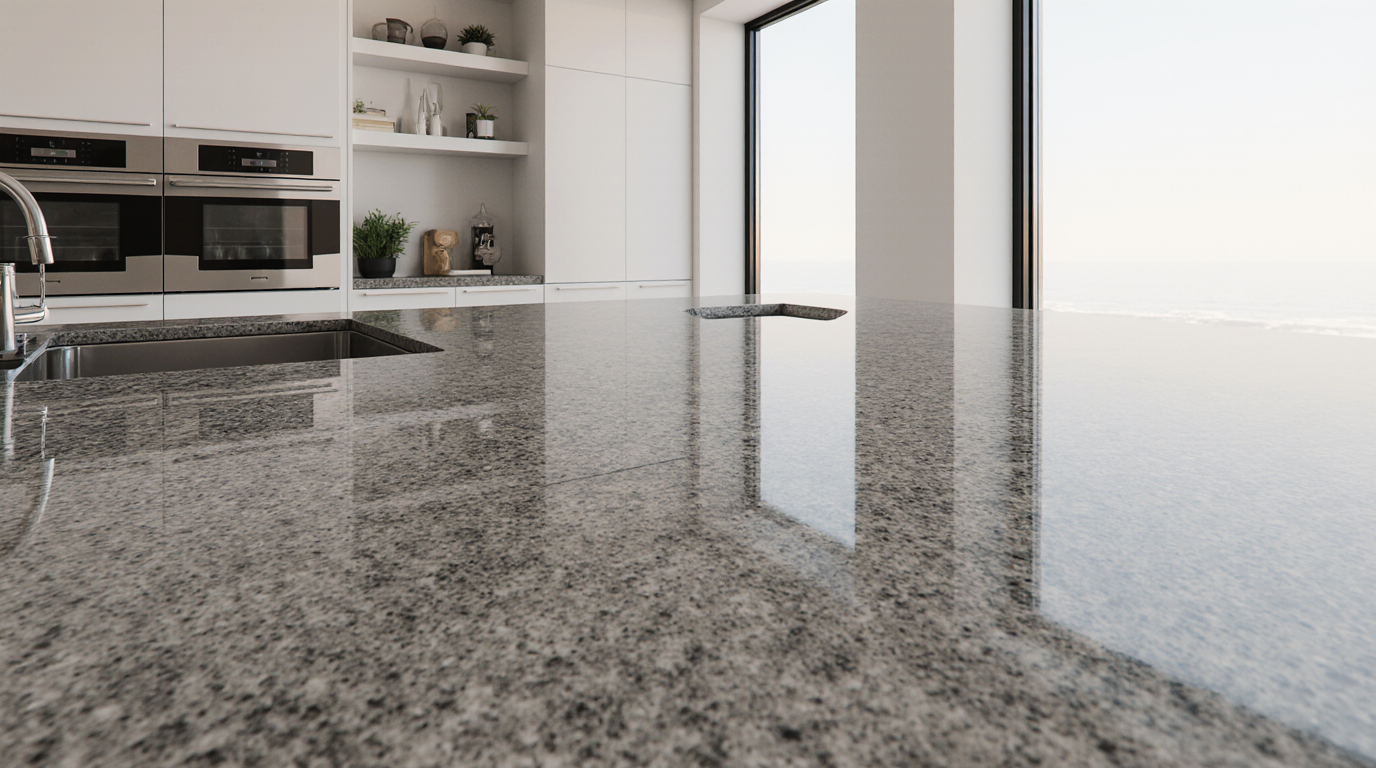
Quartz countertops enhance culinary spaces with a blend of elegance and functionality. Unlike granite or marble, quartz is engineered to achieve a consistent and flawless appearance, which is perfect for contemporary spaces desiring precision and elegance. Quartz is durable against wear, breaks, and blemishes, making it a practical solution for families and busy households. One of the standout features of quartz is its minimal upkeep, unlike granite, as it remains protected without additional sealing to retain its resistance. This makes quartz an ideal choice for those who desire the luxurious appearance of stone without the upkeep, ensuring that their countertops remain both beautiful and functional over time.
When deciding on a countertop material, durability and aesthetic goals are key considerations. Granite offers unique organic patterns, making it suitable for owners desiring unique, earthy elegance. Each piece is unique, providing feature surfaces that define the room. Quartz, alternatively, provides a modern and uniform aesthetic, with endless possibilities in color and pattern thanks to the engineered process. For those who seek seamless design for extensive areas, quartz ensures precision and a seamless finish. Both materials provide excellent return on investment, as they are highly sought-after features in real estate and can boost property worth dramatically.
Maintenance is another key consideration where granite and quartz countertops excel, though in different ways. Granite, being naturally absorbent, needs protective sealing to avoid liquid infiltration, but this process is straightforward and infrequent. Typically, sealing is done once a year, ensuring the stone maintains its natural luster and resists staining and etching. Quartz is densely compacted, which means accidental spills are easily managed, and the countertop remains resistant to bacterial growth, making it a hygienic option for kitchens and bathrooms alike. Both options are ideal for families who want durable, long-lasting surfaces that combine functionality with aesthetic appeal, providing peace of mind and continuous quality.
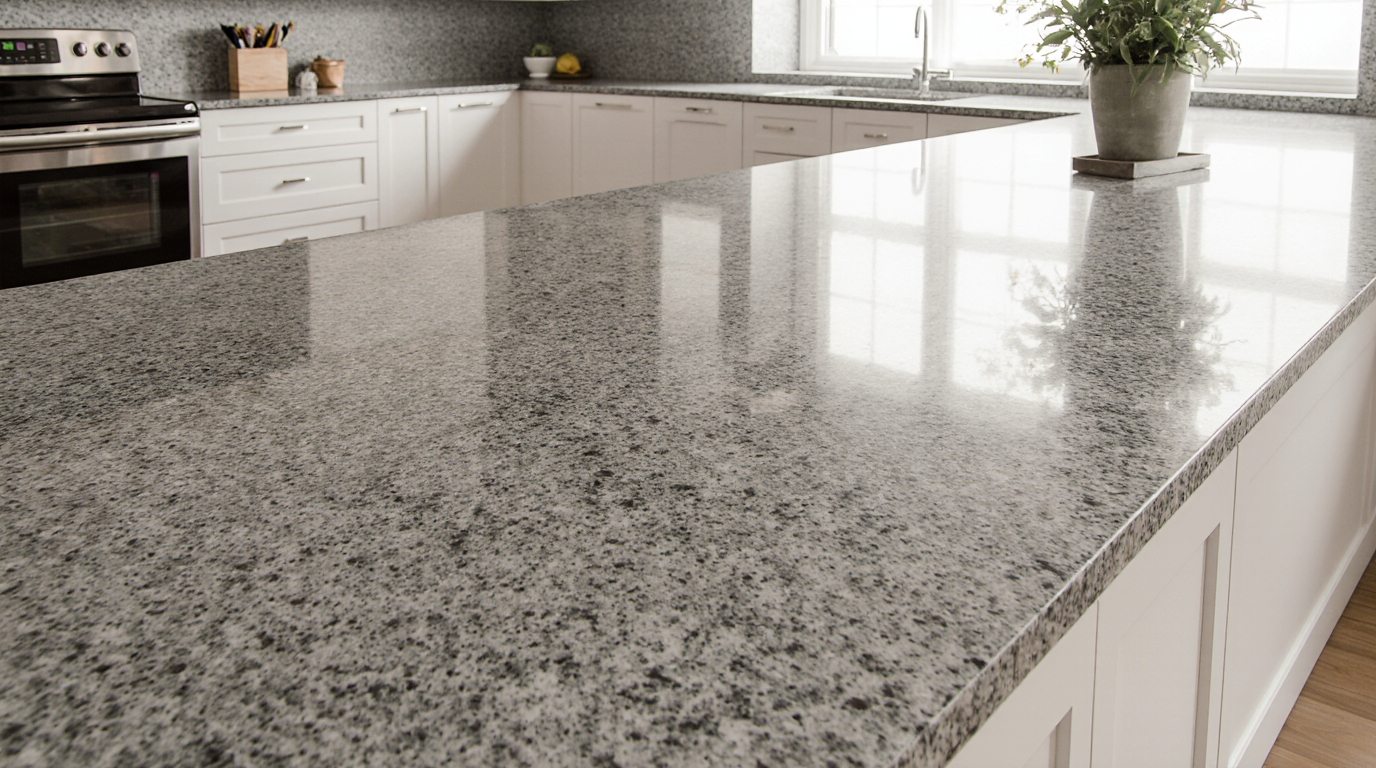
Design flexibility is another reason why granite and quartz countertops are preferred in contemporary interiors. Granite’s natural patterns enable creative layouts, matching traditional, transitional, or modern styles. Homeowners can choose slabs with pronounced patterns for impact or subtle speckling for a more understated elegance. Quartz offers unmatched variation in tones and textures, including shiny, muted, or tactile effects, offering flexibility for bespoke designs. The multifaceted nature of granite and quartz ensures that they function as both practical surfaces and design highlights, elevating the overall ambiance of the space.
Installation and longevity are vital aspects for homeowners selecting long-lasting kitchen tops. Professional installation is recommended, guaranteeing accurate measurements, flawless joints, and polished edges. Once installed, granite can remain pristine for generations, while quartz countertops provide enduring beauty with minimal intervention. Both materials are resilient under frequent culinary stress, making them perfect for heavily used cooking areas. Their timeless durability also guarantees continued elegance and practicality, providing homeowners with confidence and long-term satisfaction.
Ultimately, choosing granite or quartz countertops is a choice balancing style, practicality, and value. Granite provides a natural, one-of-a-kind beauty, ideal for those who value organic textures and the unique characteristics of stone. Quartz offers consistent and polished design with practical advantages. Both materials represent the pinnacle of sophistication and performance, delivering both aesthetic excellence and day-to-day utility. With the right selection, granite and quartz countertops elevate interiors into elegant, practical, and visually captivating areas.
Whether revamping spaces for comfort and market value, granite and quartz countertops are consistently favored for their beauty, resilience, and functionality. Their blend of aesthetics, durability, and convenience provides ultimate satisfaction in any culinary space, while their lasting quality guarantees that the investment in these surfaces continues to pay off for years to come.