Cost of Granite Countertops: What Homeowners Need to Know
For homeowners looking to remodel kitchens or bathrooms, evaluating the cost of granite countertops is essential, as granite has long been celebrated for its durability, natural beauty, and timeless appeal, positioning it as a top-tier option for those seeking elegance and long-lasting surfaces. The price of granite can vary widely depending on factors such as quality, color, slab size, and installation complexity. Being aware of these elements helps homeowners plan wisely and avoid overspending.
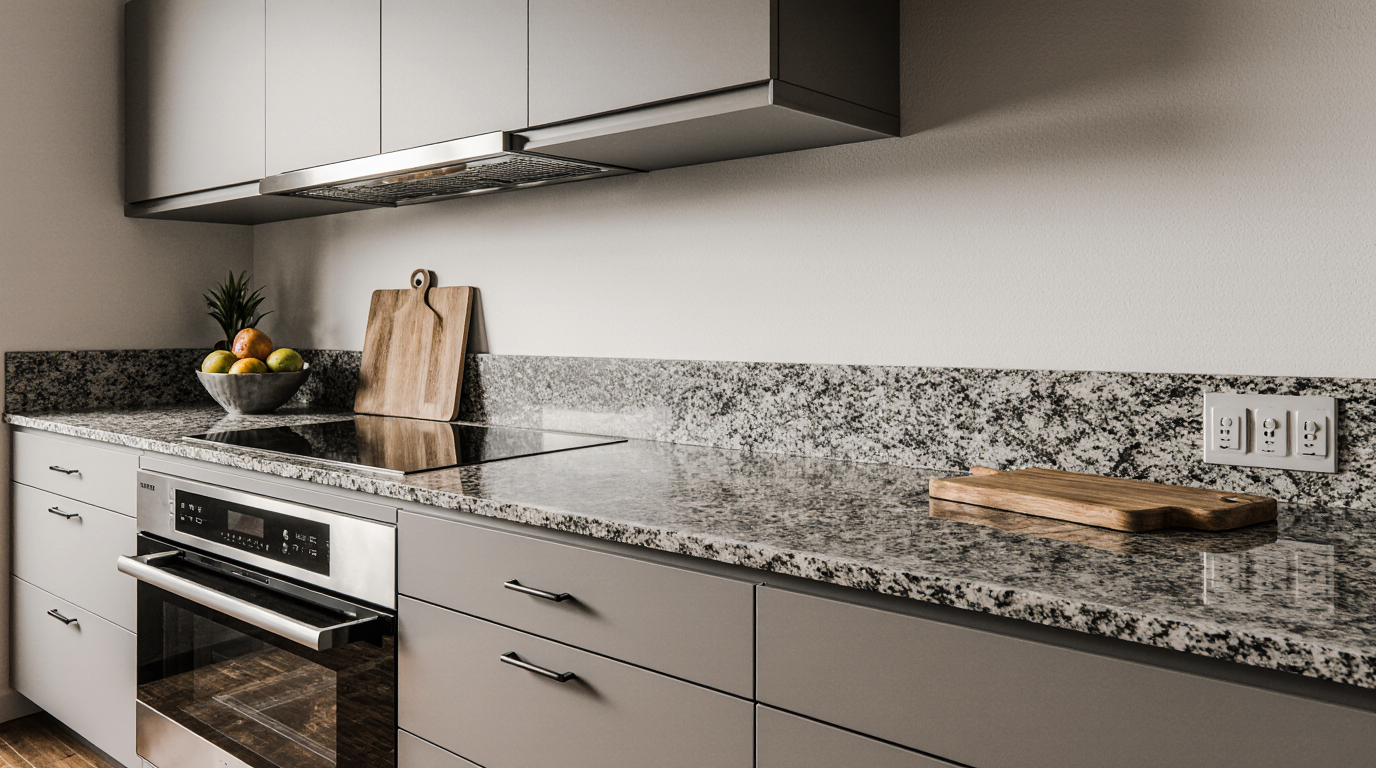
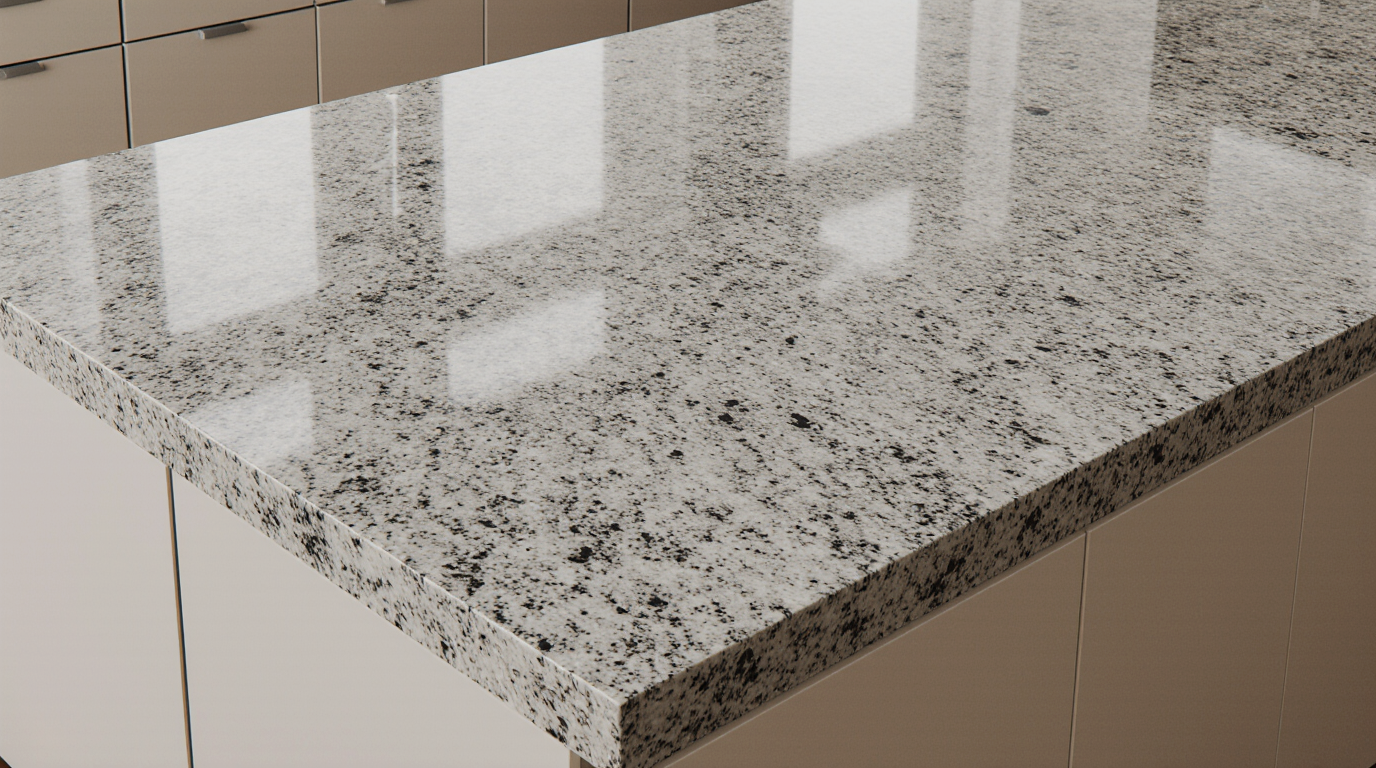
A vast array of granite colors and patterns is available, providing varying degrees of rarity and visual impact. Standard colors like white, black, and gray are usually budget-friendly, whereas rare or vividly veined varieties carry premium pricing. Homeowners should also consider the thickness of the slab, as thicker granite pieces offer more durability but can increase both the material and installation costs. Finding the perfect granite slab entails balancing beauty, usability, and cost efficiency.
In addition to material costs, fabrication and installation play a crucial role in the total price of granite countertops. Professional fabricators cut the slabs to precise dimensions, polish the edges, and ensure the surface is perfectly level and smooth. Installation requires skilled labor to handle heavy granite slabs safely and fit them seamlessly into your kitchen or bathroom layout. Customized edges, sink cutouts, and unique shapes add layers of complexity and expense. Hiring skilled contractors guarantees top-tier craftsmanship and enduring durability.
The durability of granite countertops is a major reason homeowners are willing to invest in this material. Sealed granite offers superior protection against heat, scratches, and spills, making it ideal for busy households. Over time, this durability can actually save money compared to other surfaces that require more frequent replacement or maintenance. However, regular sealing is essential to maintain the stone’s natural beauty and protect it from potential damage.
Geographical factors significantly impact granite pricing. Prices may vary depending on local suppliers, transportation fees, and regional demand for premium materials. Some areas offer access to nearby quarries, which can reduce material costs, while remote locations might incur higher prices due to shipping and handling. Local suppliers provide in-person slab selection, expert advice, and faster logistics.
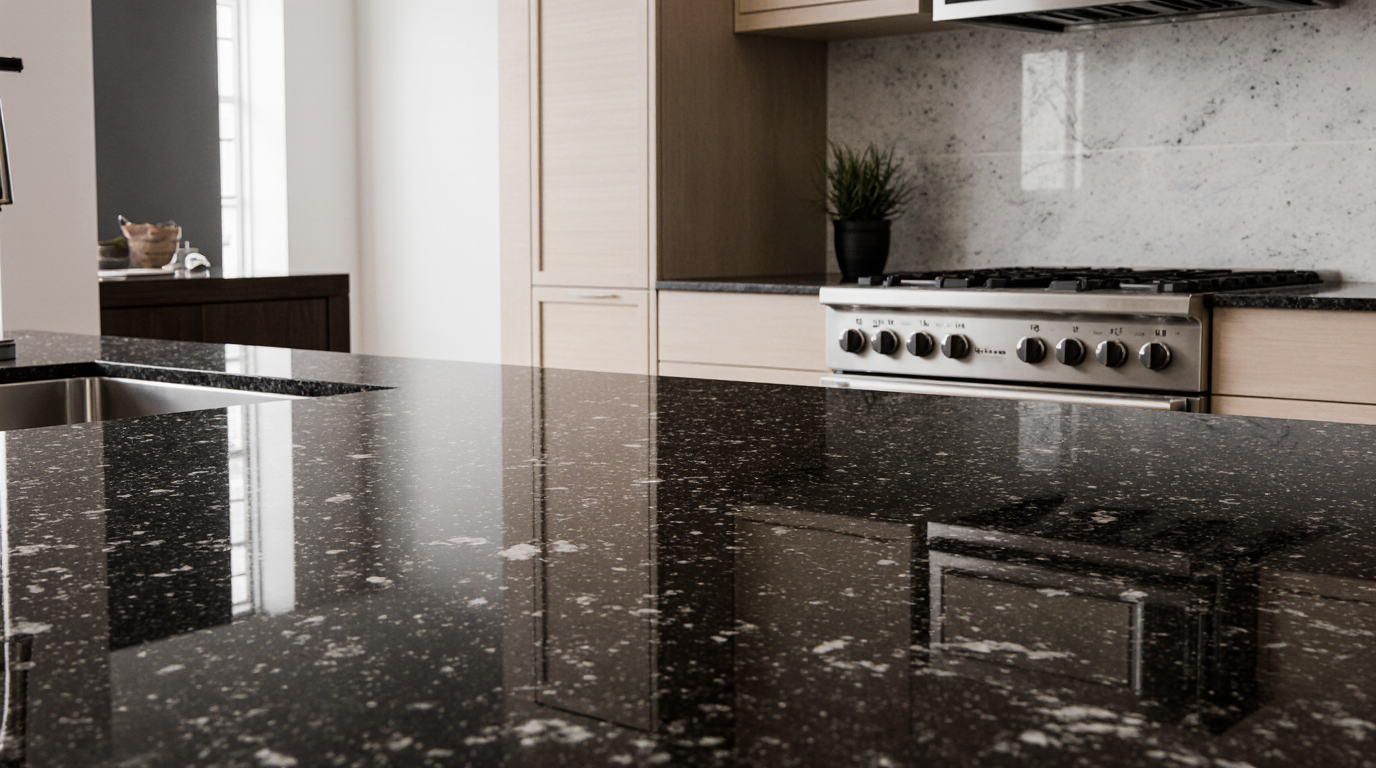
Another factor impacting the total cost is the type of finish applied to the granite surface. Polished granite offers a shiny, reflective look that highlights the stone’s natural patterns, while honed finishes create a softer, matte appearance that is more subtle. Some homeowners prefer leathered or textured finishes, which add visual interest but may increase fabrication costs. Choosing a finish requires harmonizing style with functionality, safety, and maintenance ease.
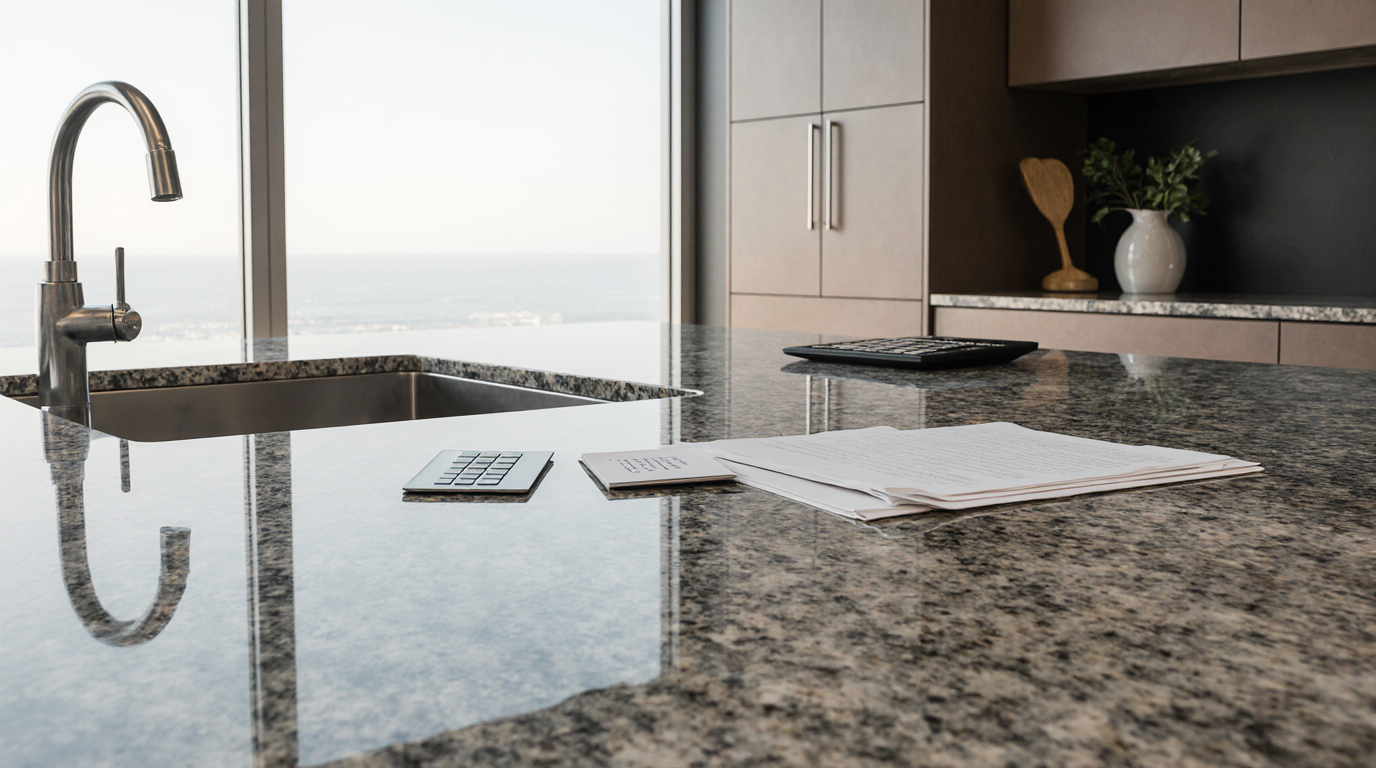
The size of the countertop area directly affects pricing. Vast countertops demand additional materials and careful craftsmanship. Conversely, smaller kitchens or bathroom vanities will generally be more affordable. Homeowners should obtain detailed measurements and work closely with fabricators to ensure that estimates are accurate and reflect all aspects of the project, including cutouts for sinks, faucets, and other fixtures.
Add-ons like backsplashes, built-in sinks, and waterfall designs enhance aesthetics but raise expenses. Incorporating advanced design details improves functionality and elegance but involves complex workmanship. Discussing these options with a skilled contractor helps homeowners weigh the visual impact against the potential cost increase, ensuring a design that is both beautiful and practical.
High-quality granite enhances both functionality and resale potential. Properties with high-quality granite surfaces are often more attractive to potential buyers, offering a combination of luxury and functionality that enhances resale potential. Despite higher upfront costs, granite’s lasting beauty, resilience, and investment value typically outweigh cheaper alternatives.
Additional expenses like shipping, removal of old countertops, and cabinet adjustments should be considered. Allocating extra funds for unforeseen challenges safeguards against installation delays or overspending. Seasoned professionals reduce risk and guarantee adherence to high-quality workmanship.
Multiple factors including granite grade, custom fabrication, installation effort, and local market dynamics converge to determine the final price. Careful planning, supplier evaluation, and professional engagement deliver durable, elegant, and high-value granite installations. Choosing granite is not just a design decision—it’s a long-term investment in quality, durability, and timeless elegance that transforms any space into a showcase of sophistication.