Understanding the True Cost of Granite Countertops for Your Home
For homeowners looking to remodel kitchens or bathrooms, evaluating the cost of granite countertops is essential, because granite offers unmatched durability, sophisticated appearance, and enduring style, establishing it as a favored selection for homeowners prioritizing quality and sophistication. Factors like granite grade, color variations, slab thickness, and installation nuances greatly influence pricing. Being aware of these elements helps homeowners plan wisely and avoid overspending.
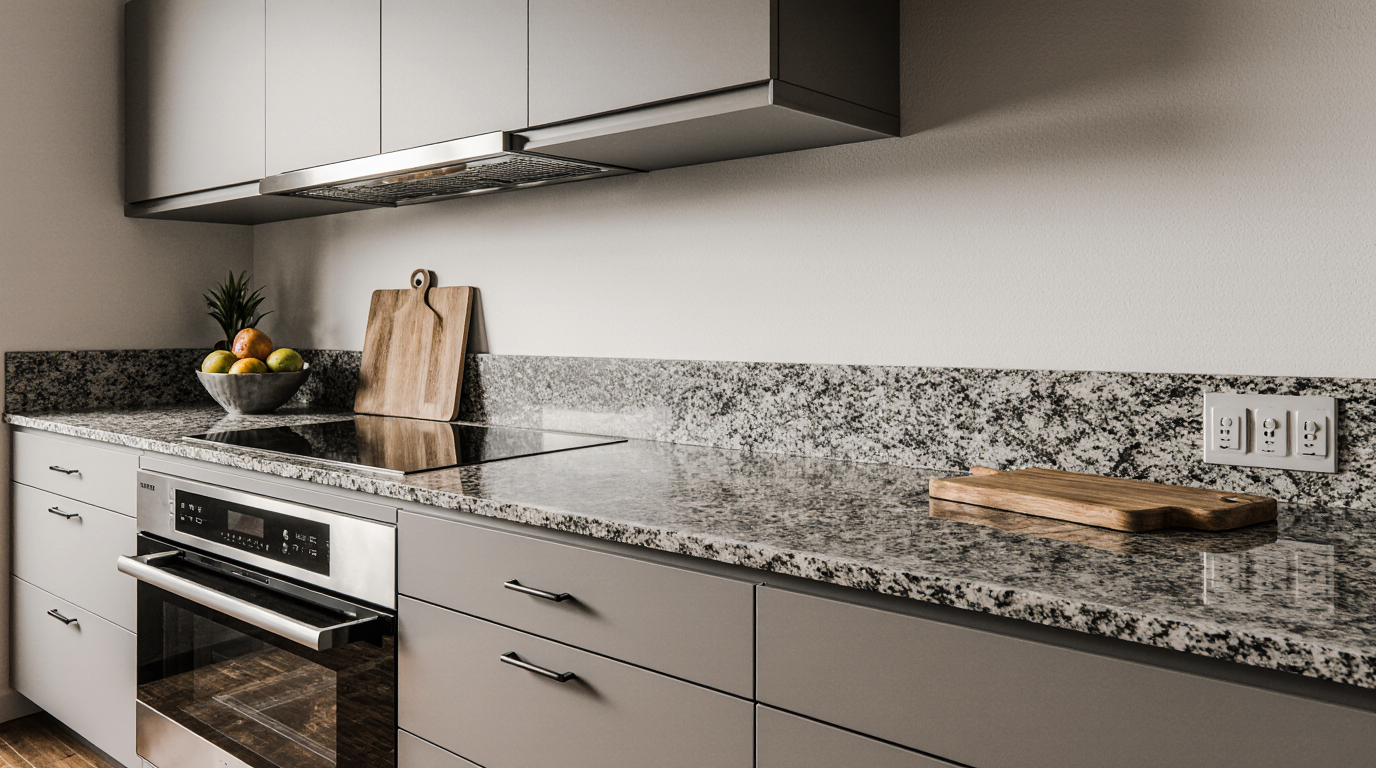
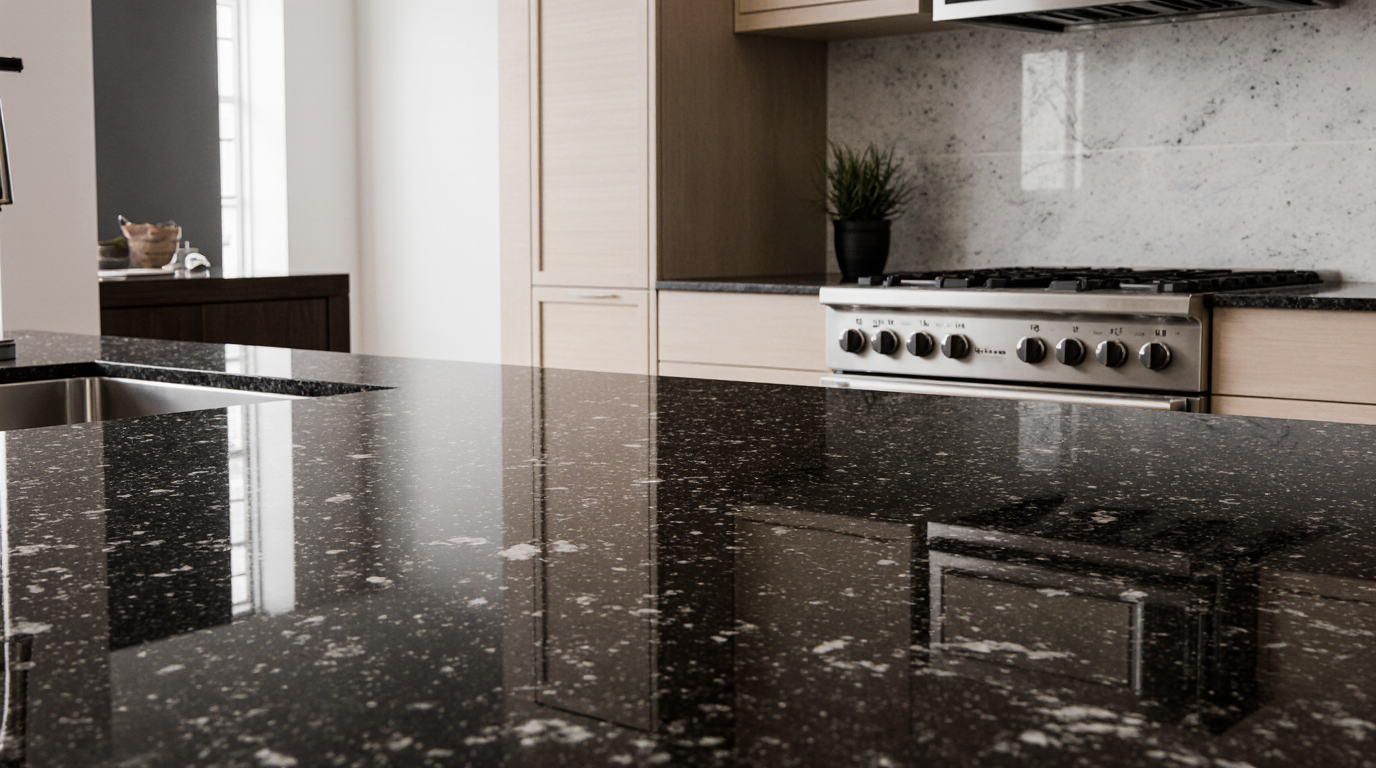
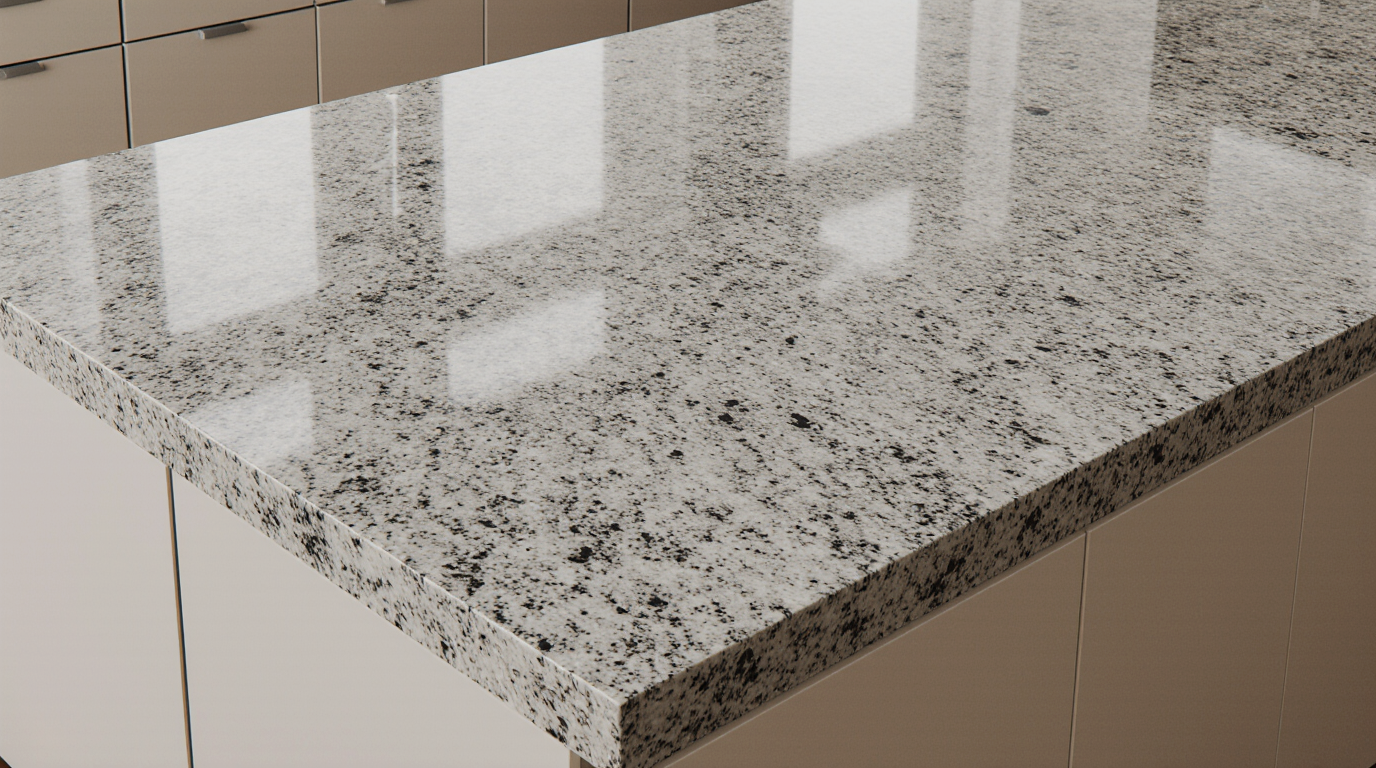
Granite slabs come in diverse shades and intricate patterns, each offering distinct exclusivity and aesthetic allure. Classic shades such as black, white, and gray tend to be more affordable, while exotic tones with intricate veining or vibrant hues can cost significantly more. Homeowners should also consider the thickness of the slab, as thicker granite pieces offer more durability but can increase both the material and installation costs. Selecting the right slab for your project is a balance between aesthetics, functionality, and budget.
In addition to material costs, fabrication and installation play a crucial role in the total price of granite countertops. Professional fabricators cut the slabs to precise dimensions, polish the edges, and ensure the surface is perfectly level and smooth. Installation requires skilled labor to handle heavy granite slabs safely and fit them seamlessly into your kitchen or bathroom layout. Any irregular shapes, additional cutouts for sinks or cooktops, and edge profiles will further impact the overall cost. Engaging reputable contractors with a track record of granite installation ensures a flawless finish and long-lasting performance.
Homeowners value granite largely for its strength and enduring performance. Granite is resistant to heat, scratches, and stains when properly sealed, making it ideal for high-traffic areas in the home. Durable granite minimizes replacement expenses, providing economic benefits over time. Periodic sealing preserves both aesthetic appeal and structural integrity.
Geographical factors significantly impact granite pricing. Supply chain, shipping distances, and market demand affect local granite pricing. Regions near quarries benefit from lower costs, while remote areas pay more for transport and handling. Local suppliers provide in-person slab selection, expert advice, and faster logistics.
Another factor impacting the total cost is the type of finish applied to the granite surface. Polished surfaces enhance patterns and shine, while honed or matte textures provide muted sophistication. Leathered finishes introduce depth and uniqueness but demand additional labor and cost. Selecting the right finish involves balancing aesthetic preferences with practical considerations such as slip resistance and ease of cleaning.
Larger surface areas naturally drive higher material and labor expenses. Expansive layouts need multiple slabs and intensive installation efforts. Smaller installations offer cost efficiency with fewer resources required. Meticulous planning and measurement validation with contractors guarantees reliable pricing for every component.
Custom features such as backsplashes, integrated sinks, or waterfall edges can significantly increase the cost of granite countertops. While boosting visual appeal and home value, these features necessitate expert handling and extra time. Discussing these options with a skilled contractor helps homeowners weigh the visual impact against the potential cost increase, ensuring a design that is both beautiful and practical.
Investing in granite countertops is also an investment in home value. Properties with high-quality granite surfaces are often more attractive to potential buyers, offering a combination of luxury and functionality that enhances resale potential. While the initial cost may be higher than alternatives such as laminate or solid surface materials, the long-term benefits, including durability, aesthetics, and market appeal, often justify the expense.
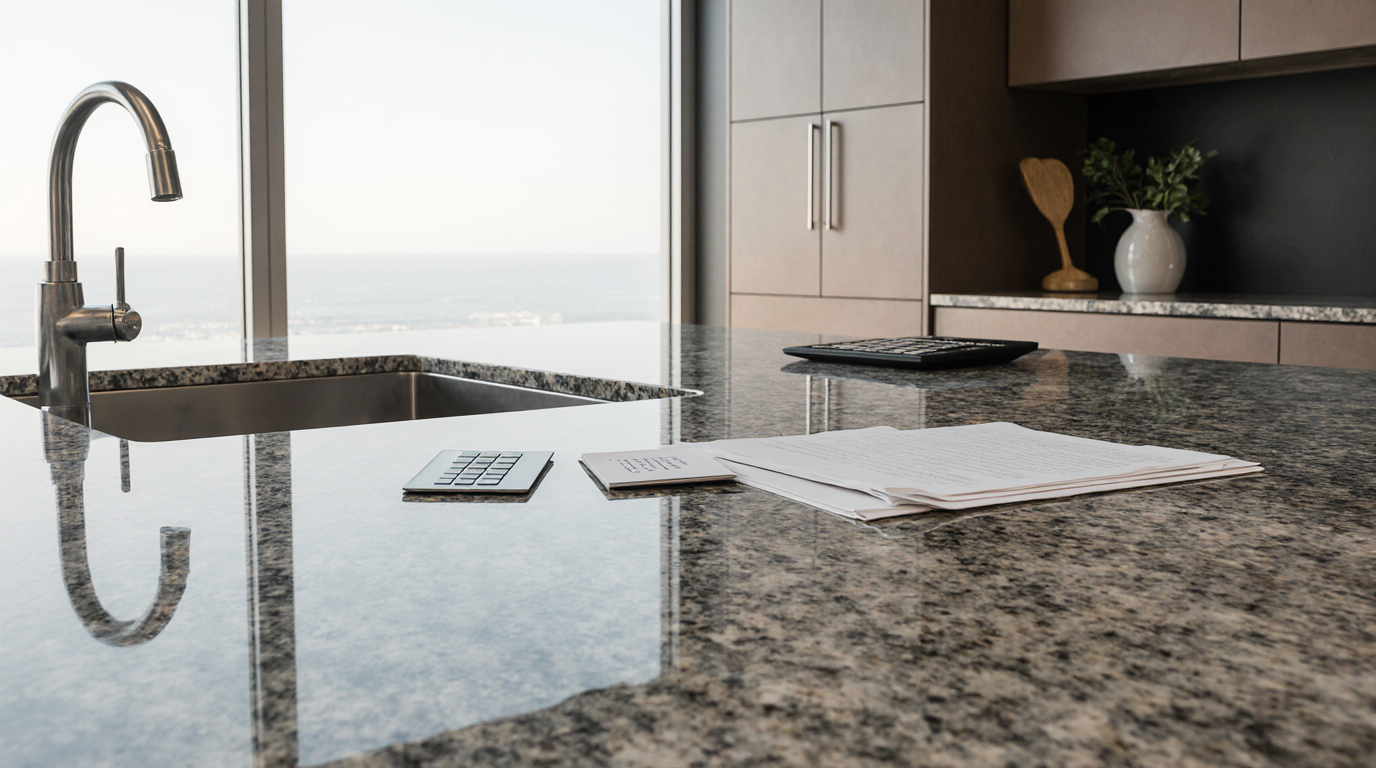
When budgeting for granite countertops, homeowners should also account for hidden costs such as delivery, waste disposal, and minor modifications to existing cabinetry. Planning for contingencies ensures installation continuity and financial security. Engaging skilled teams ensures seamless execution and mitigates potential installation problems.
Ultimately, the cost of granite countertops is influenced by a combination of material quality, fabrication, installation complexity, design choices, and local market conditions. Homeowners who take the time to research options, compare suppliers, and engage skilled professionals can achieve stunning results that enhance the beauty, functionality, and value of their home. Selecting granite combines elegance, functionality, and long-term home enhancement, turning ordinary spaces into remarkable showcases.