Quartz Countertops Average Pricing: Essential Insights for Wise Home Investment
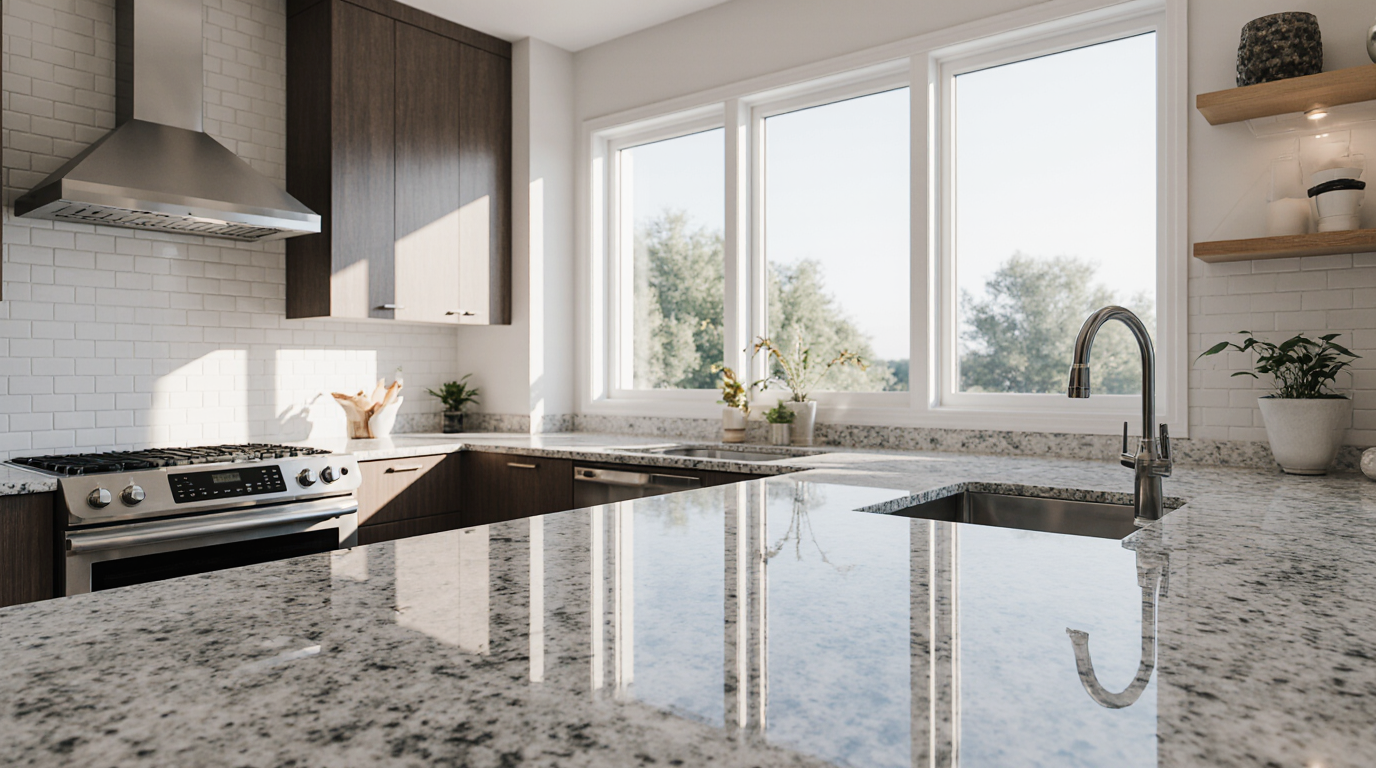
For homeowners planning kitchen or bathroom upgrades, the choice of countertop represents a critical combination of style, resilience, and financial sensibility. Quartz surfaces are increasingly sought after because they provide unmatched toughness, refined aesthetics, and low-maintenance convenience. Engineered quartz distinguishes itself from natural stone alternatives through consistent appearance, predictable coloration, and impressive durability against everyday wear and heat. For those desiring surfaces that endure daily kitchen or bathroom activity, quartz presents a compelling and reliable investment. Assessing the typical price of quartz surfaces is a crucial step for any remodeling plan. Prices vary based on several factors, including the quality of quartz, slab thickness, complexity of the installation, and regional market differences. Standard pricing for quartz slabs generally falls within a $50–$150 per square foot range. High-end or bespoke quartz options may exceed $200 per square foot, emphasizing their luxury and distinctive look. When juxtaposed with laminate or solid surfaces, quartz delivers an exceptional combination of elegance and long-term value.
The installation process is another key factor influencing the total expense of quartz countertops. Engaging skilled installers ensures precision in cutting, leveling, and sealing, safeguarding durability and visual perfection. Comprehensive professional services such as slab fabrication, templating, and accurate installation can increase total costs by $30–$70 per square foot. Self-installation is generally discouraged because quartz slabs are heavy, delicate, and require exact handling. Engaging a certified installer ensures the surface remains flawless, enhancing both the lifespan and the value of the investment. One of the most appealing aspects of quartz countertops is their low maintenance and enduring durability. Quartz is inherently non-porous, preventing stains and bacteria, in contrast to granite or marble that need regular sealing. Its hygienic properties make quartz perfect for kitchens and bathrooms requiring effortless cleaning. Maintaining quartz’s flawless appearance typically requires only gentle cleaning with soft cloths and mild solutions. The material’s resistance to chipping and scratching also reduces long-term repair costs, further solidifying quartz as a cost-effective choice despite higher upfront expenses.
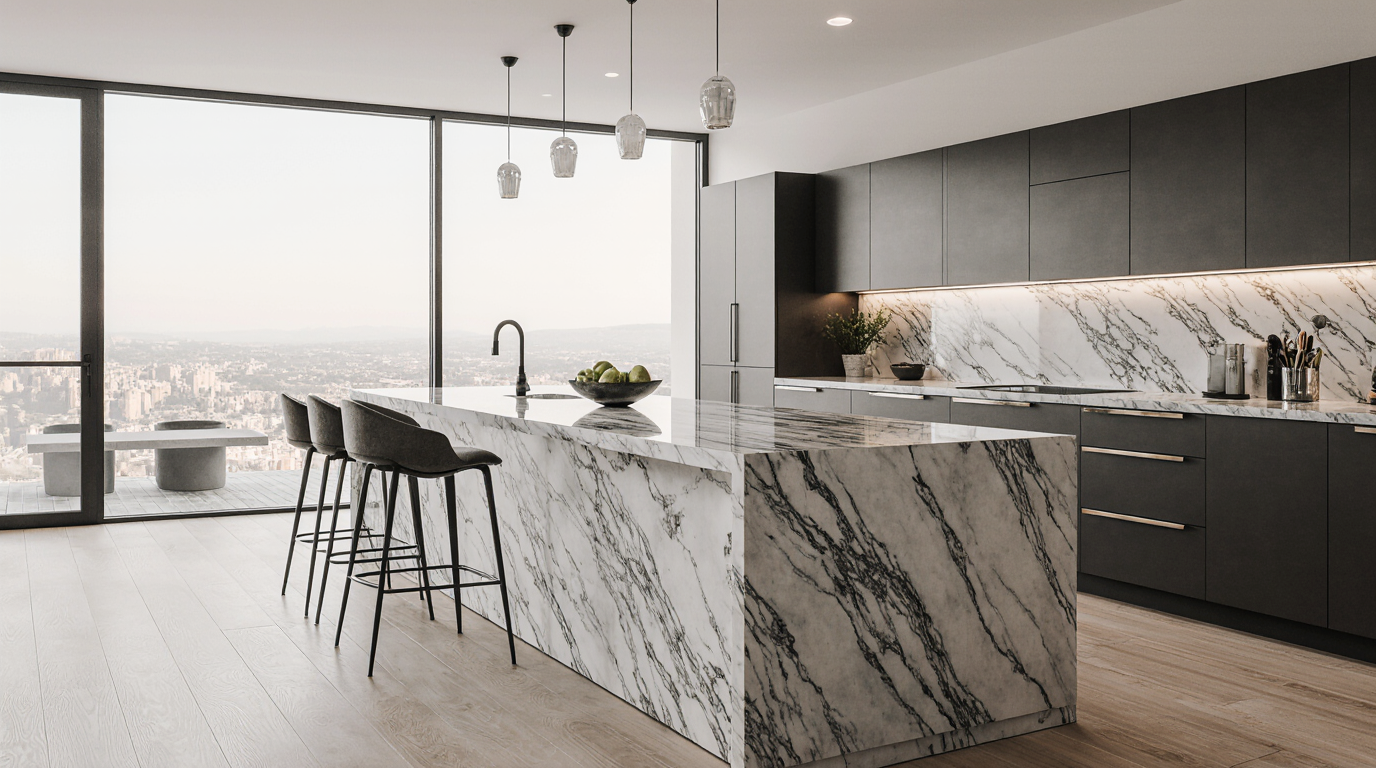
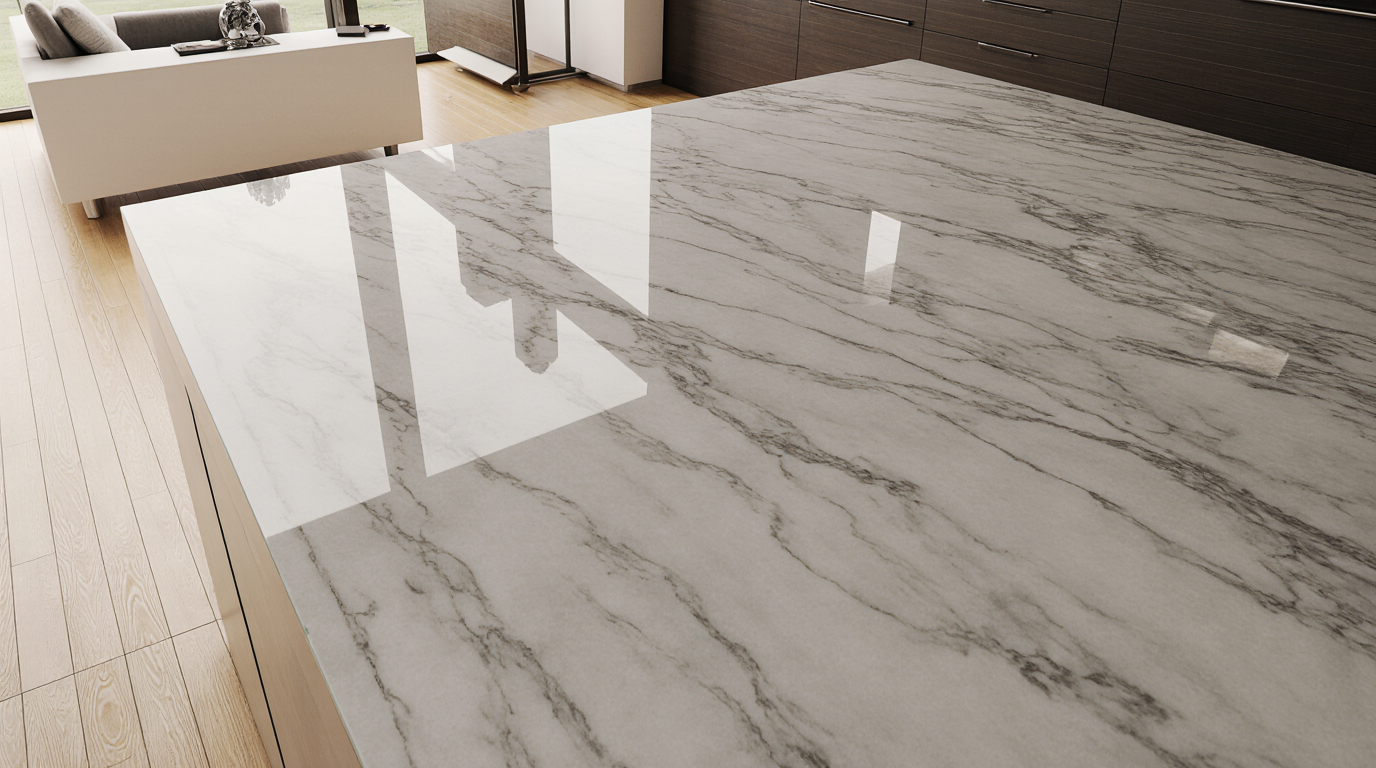
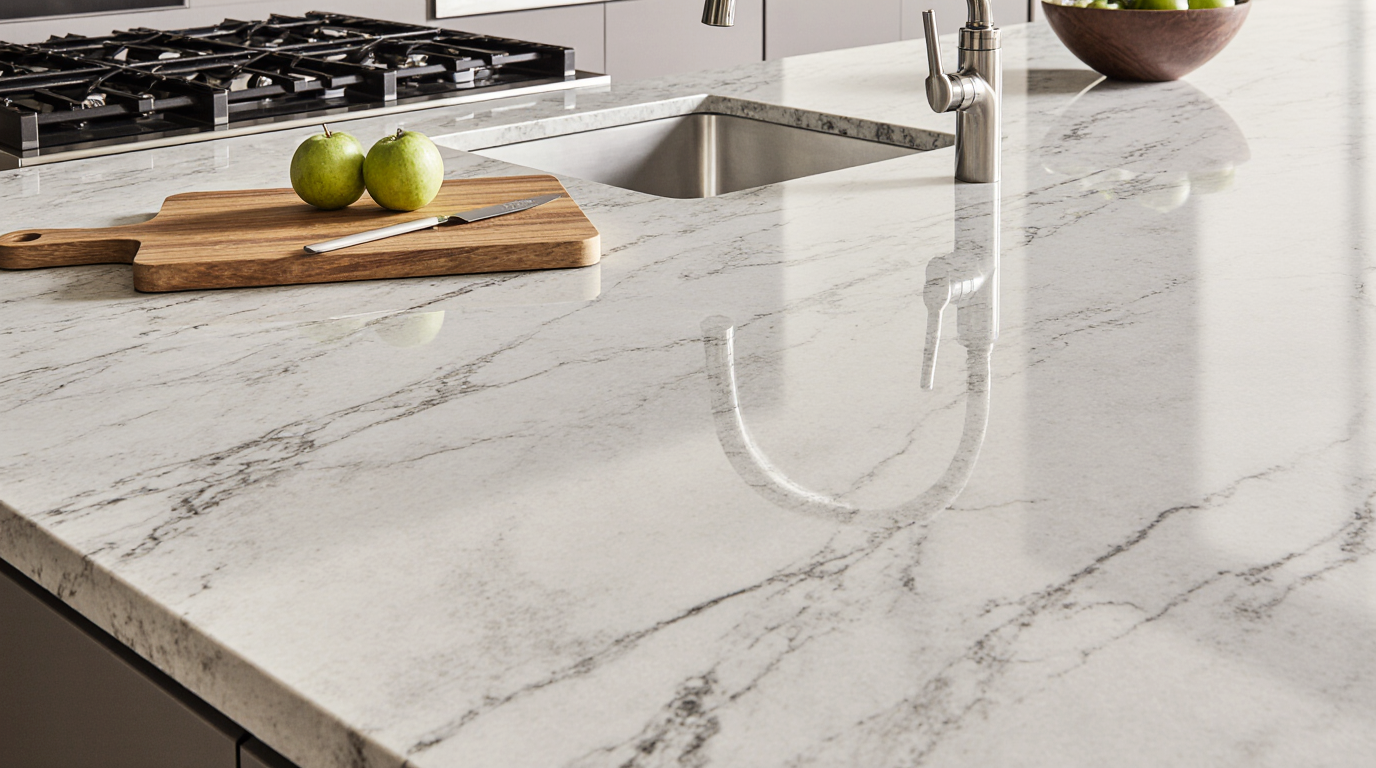
A major factor influencing pricing is the extensive variety of aesthetic choices in quartz surfaces. Manufacturers produce quartz in countless colors, patterns, and finishes, from sleek and modern solid shades to intricate veining that mimics natural marble. Customized design elements elevate the luxury of quartz installations while influencing overall pricing. Many homeowners find that the aesthetic versatility of quartz allows them to achieve the exact style and ambiance desired, enhancing both functionality and home value. Warranty terms are a pivotal component when assessing the total value of quartz surfaces. Leading quartz manufacturers provide extended or lifetime warranties, ensuring coverage for material flaws and installation errors. Prioritizing warranty-backed quartz products ensures homeowners avoid repair or replacement surprises, making the investment secure. Long-term durability and minimal maintenance render the initial outlay for quartz highly cost-effective and strategically advantageous.
Regional differences in labor and supply affect overall quartz countertop costs. Costs may rise in cities with expensive labor markets or limited local quartz availability. Conversely, areas with multiple contractors and abundant material suppliers often provide competitive rates, sometimes lowering costs without compromising quality. Collecting several estimates ensures informed comparison of both cost and installation quality. Quality craftsmanship ensures proper seam alignment, edge detailing, and overall finish, which significantly affects both appearance and durability. Quartz may have a premium cost initially, yet the enduring benefits often outweigh alternatives. The combination of stain and heat resistance, strength, and ease of upkeep renders quartz highly cost-effective over time. Quartz surfaces maintain their beauty and marketability over time, enhancing resale potential. Property specialists often cite high-quality quartz countertops as a strong selling feature, impacting buyer interest and valuation.
For homeowners exploring budget-friendly options, selecting quartz slabs with moderate patterns or standard thickness can help manage the overall cost of installation. Harmonizing aesthetics and pragmatic factors like slab dimensions and edging ensures both luxury and affordability. Discounted remnants or minorly flawed slabs offer cost-effective ways to install high-quality quartz in limited spaces. Ultimately, understanding the average cost of quartz countertops requires evaluating material price, installation fees, customization options, and long-term benefits. Quartz offers an unmatched combination of durability, style, and hygiene that few other materials can match. Investing in quartz ensures a visually stunning, functional surface that retains value and supports everyday lifestyle demands. Carefully comparing brands, consulting professional installers, and reviewing warranty coverage ensures a wise investment, turning a functional surface into a centerpiece of design and longevity.