Average Cost of Granite Countertops: How to Budget for a Stunning Kitchen Upgrade
When planning a kitchen remodel, a key factor in budget planning determining the best granite material. Renowned for their durability, elegance, and timeless appeal, granite countertops have become a symbol of quality and luxury. Understanding the average cost of granite countertops is essential for effective budgeting and ensuring a smart investment in both aesthetics and functionality. Prices can vary widely depending on factors such as slab quality, color variations, origin, and installation complexity. Careful consideration of pricing factors prevents unexpected expenses while achieving your desired aesthetic.
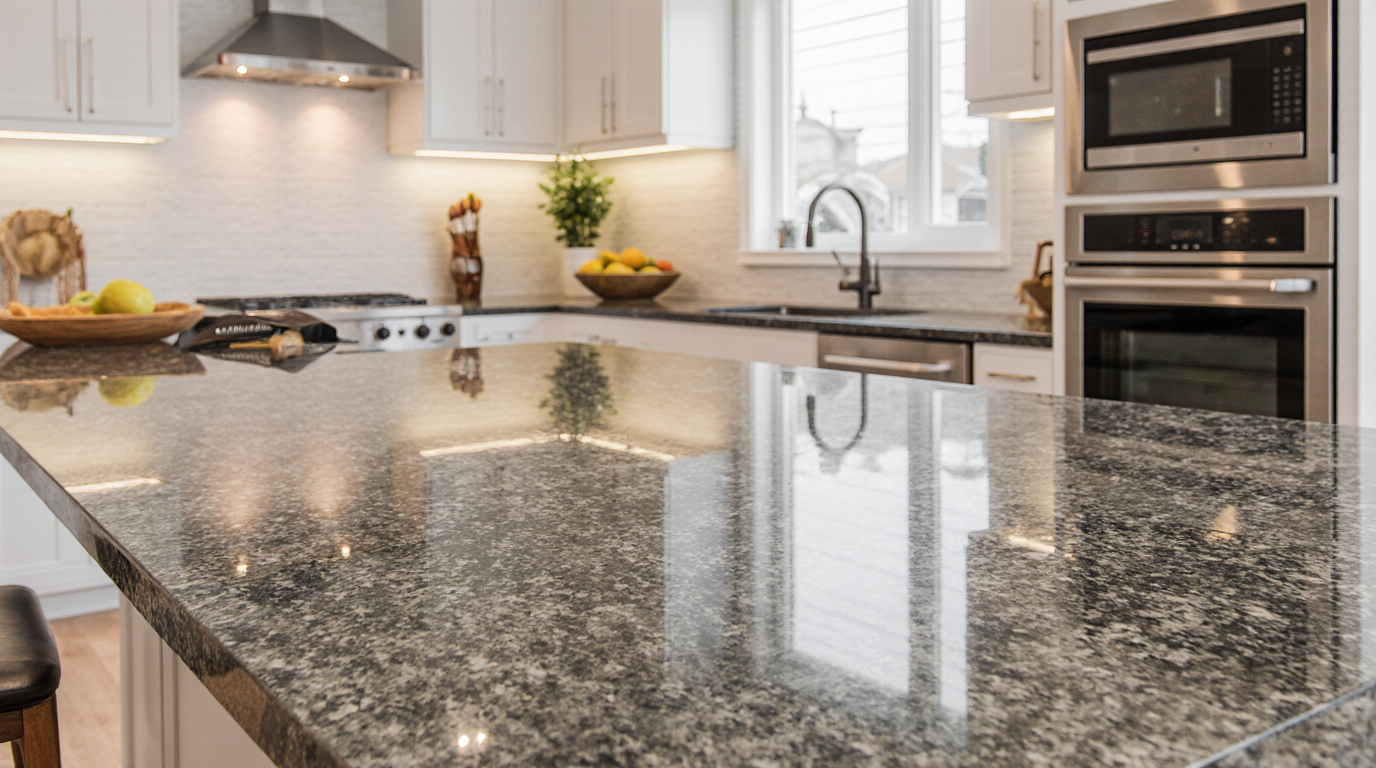
Granite is a natural stone formed over millions of years, and every countertop carries distinct patterns. The cost of granite countertops often starts around $40 per square foot for standard options and can exceed $200 per square foot for rare or exotic stones. Granite cost depends on quality, veining, and provenance. Exotic stones from Brazil, Italy, or India tend to command premium rates. The thickness of the slab also plays a role; standard countertops typically use a 2 cm or 3 cm thickness, with the latter offering increased durability but adding to the overall cost.
Another essential consideration is skilled installation process. Shaping granite precisely, adding custom edges, and integrating sinks demands craftsmanship and technical expertise. Hiring experts guarantees accurate leveling, seamless joints, and protection from stains. On average, installation can account for 30–50% of the total cost, emphasizing that high-quality craftsmanship is just as important as the stone itself. Proper planning ensures labor costs are accurately integrated into the overall budget.
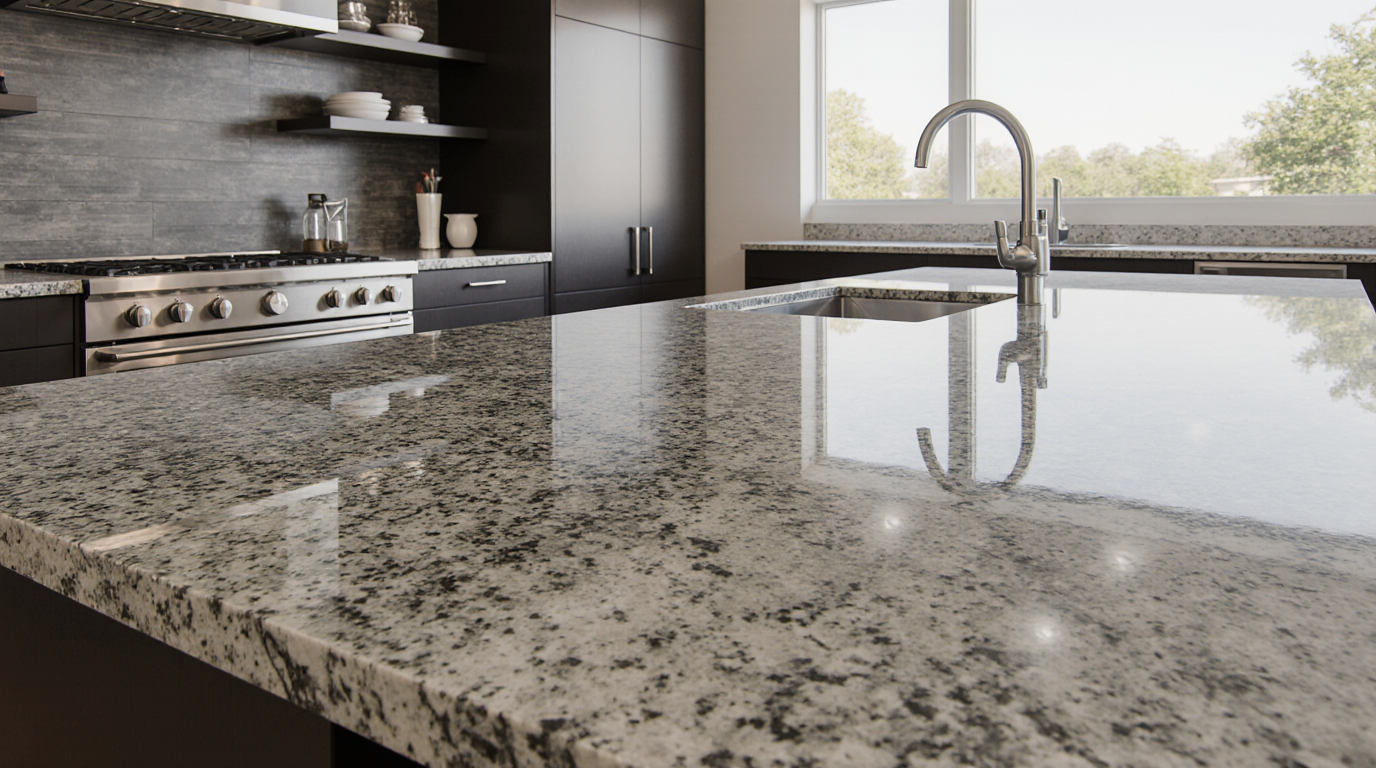
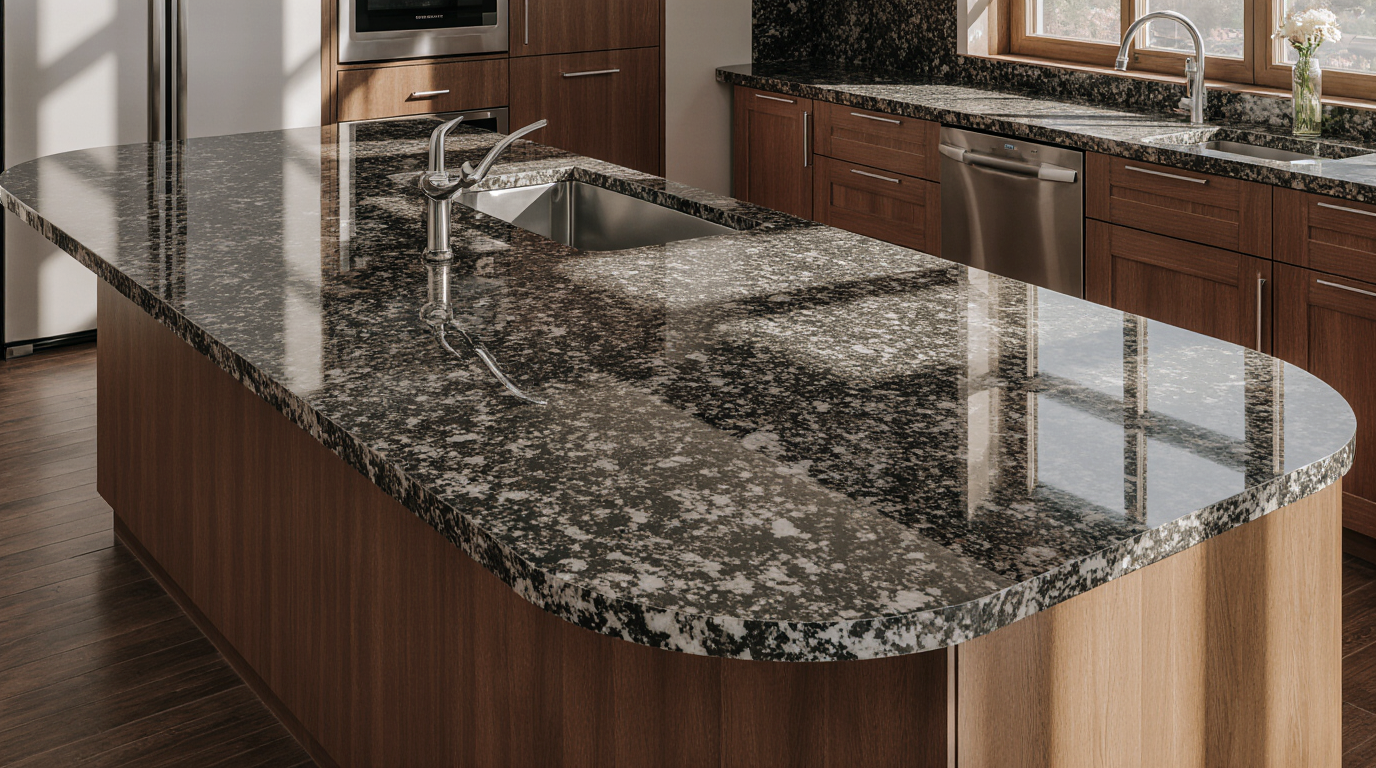
Additional design choices add to overall expense. Homeowners can select from a variety of edge profiles, such as beveled, bullnose, or ogee, each requiring additional labor. Custom insets, such as sinks or appliance cutouts, increase labor requirements. Surface treatment options add both beauty and minor cost variations. Granite’s elegance combines aesthetics with resilience, justifying customization.
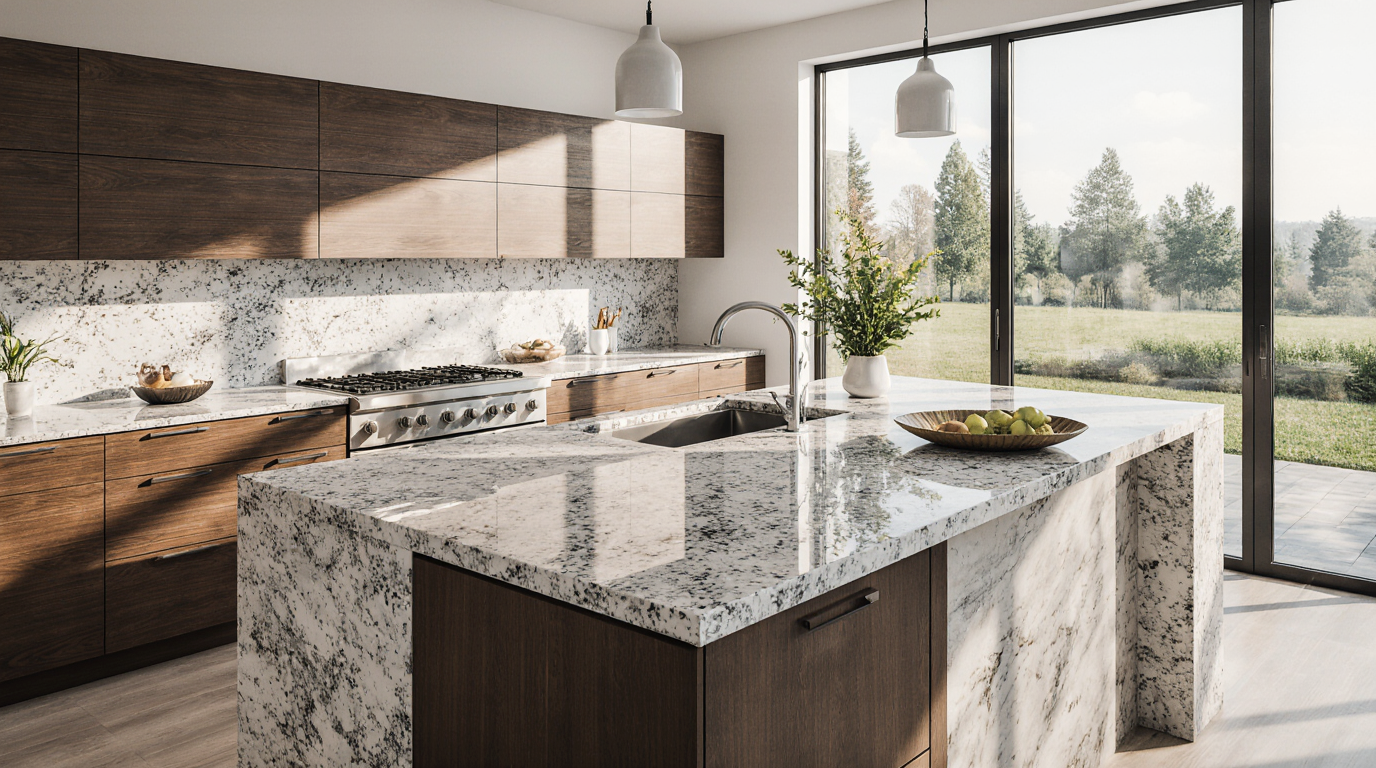
Configuration impacts material usage, cutting waste, and installation complexity. L-shaped, U-shaped, and island configurations require precise measurement and additional slabs, particularly for larger kitchens. Waste is another cost factor—cutting irregular shapes often results in leftover stone that cannot be used elsewhere. Planning extra slabs for waste guarantees smooth installation and completion. Professional planning reduces errors and maximizes efficiency.
Maintenance considerations can influence how homeowners perceive the cost of granite countertops. Sealing protects against wear and maintains polished finishes over years. High-quality sealers protect against liquids and oils, preserving the stone’s natural shine. Minor upkeep costs are outweighed by long-term resilience and aesthetics.
Budget-conscious buyers can find high-quality granite alternatives. Remnant slabs, which are leftover pieces from larger projects, can provide premium-quality stone at a fraction of the standard price. Negotiating with vendors or considering bulk orders can lower expenses. Comparing prices from multiple vendors, while also considering shipping and installation fees, can yield significant savings. Always verify quality to maintain value and longevity.
Geographical location plays a subtle yet impactful role in pricing. Metropolitan regions generally carry premium rates. Stone provenance significantly affects price due to logistics. Working with trusted providers maximizes return on investment. A well-chosen granite countertop not only elevates the kitchen's appearance but also increases property value, making it a worthwhile financial decision for homeowners seeking both functionality and style.
High-demand natural stone surfaces enhance marketability. Real estate experts consistently highlight natural stone surfaces as a major selling point, providing a visual appeal that modern buyers recognize and appreciate. Granite offers an excellent ROI through beauty, strength, and practicality. Smart budgeting allows premium results without financial strain.
Choosing granite merges style preferences with functional needs. Multiple variables determine final pricing, including material grade, labor, and layout. Awareness of influencing factors ensures wise investment. This upgrade reflects both immediate luxury and enduring home enhancement.
The average cost of granite countertops ranges widely, but with proper planning, research, and attention to detail, homeowners can select options that meet both budget and design goals. Granite’s vast range satisfies diverse tastes and durability requirements.