Understanding the Cost of Custom Bathroom Cabinets: What Influences Price and Quality
For those considering bespoke bathroom cabinets, homeowners must carefully traverse a multitude of pricing tiers, material choices, and design configurations, recognizing that the investment goes beyond mere aesthetics—it directly impacts functionality, durability, and the overall value of the bathroom renovation. Recognizing what drives cabinet costs entails valuing expert construction, tailored layouts, and fine attention to personalized specifications. Contrary to off-the-shelf solutions, custom cabinetry adapts precisely to your space, storage needs, and aesthetic desires while showcasing unmatched craftsmanship.
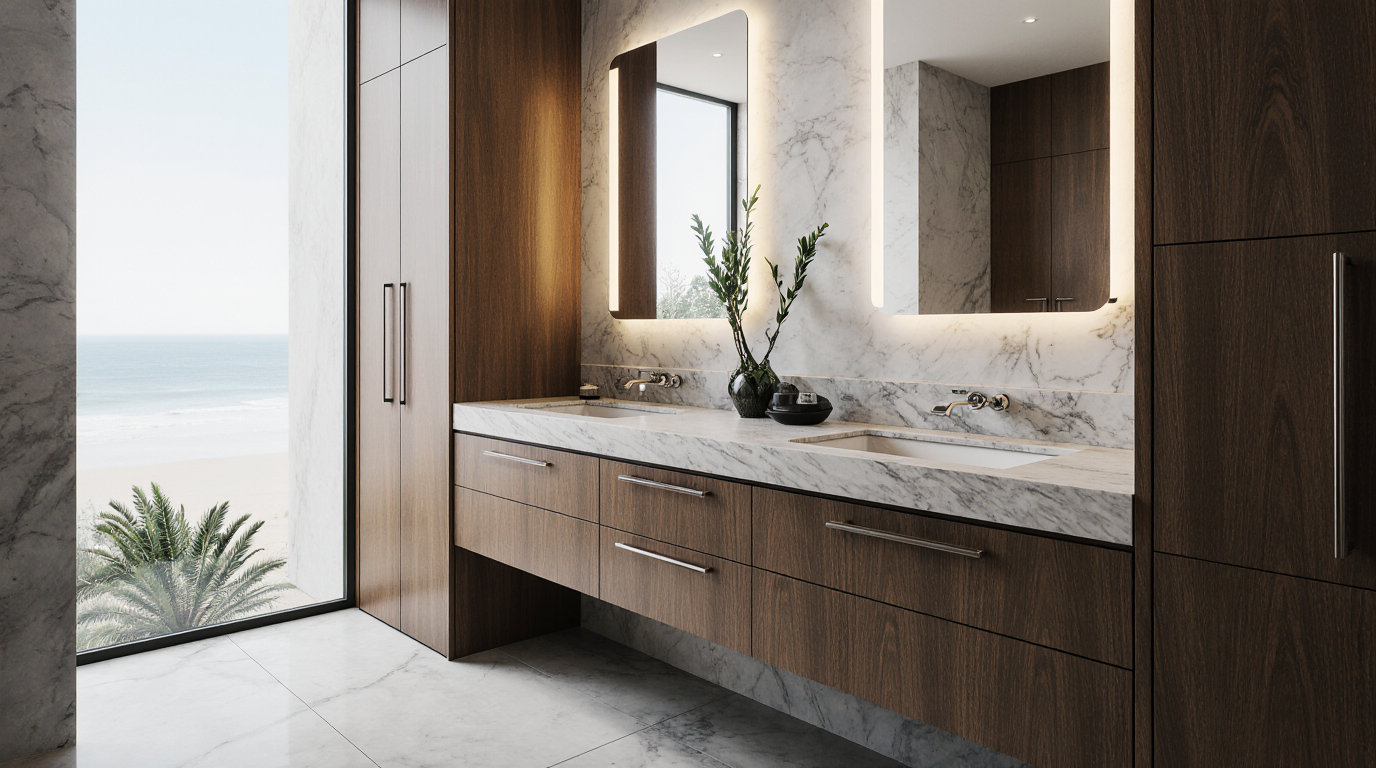
Material choice remains a decisive element in determining the cost of bespoke bathroom cabinetry, with high-end options such as solid wood, walnut, cherry, or maple elevating costs due to superior durability, longevity, and luxurious finishes. Lower-cost options such as plywood or MDF allow for adaptable layouts and simulated wood textures without sacrificing style entirely. Material selection directly impacts not only cost but also performance in humid environments, making moisture-resistant options a wise investment for maintaining structural integrity and long-term beauty.
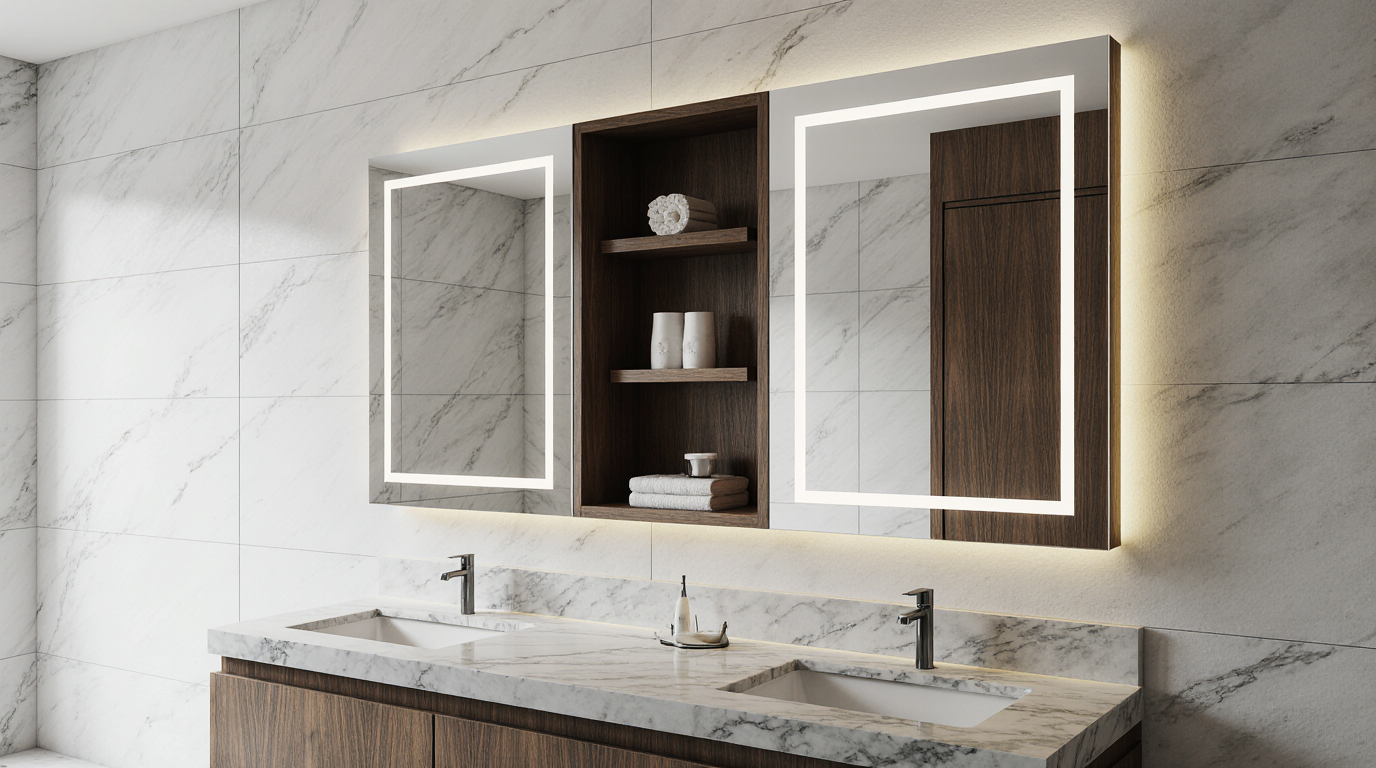
Customization level significantly influences the overall investment required for bespoke cabinetry, completely personalized cabinets are created with precise specifications, often incorporating innovative storage, lighting integration, and specialized organizers. Such enhancements provide unmatched practicality while delivering a sophisticated, high-end aesthetic. By contrast, semi-custom options allow some degree of adjustment but do not match the uniqueness or precision of entirely custom cabinetry. Opting for complete customization grants complete creative control, guaranteeing that every cabinet element harmonizes with the overall design intention.
Finishing options represent a pivotal factor in determining bespoke cabinetry costs, labor-intensive techniques like hand-staining or painting increase expense due to intricate workmanship and premium supplies. Lacquer coatings achieve sophisticated, smooth surfaces yet rely on precise craftsmanship for a pristine finish. Specialized finishes such as custom color matching, distressing, or moisture-protective coatings can further increase investment. The payoff lies in long-lasting beauty and exceptional visual appeal, transforming an ordinary bathroom into a refined, luxury retreat.
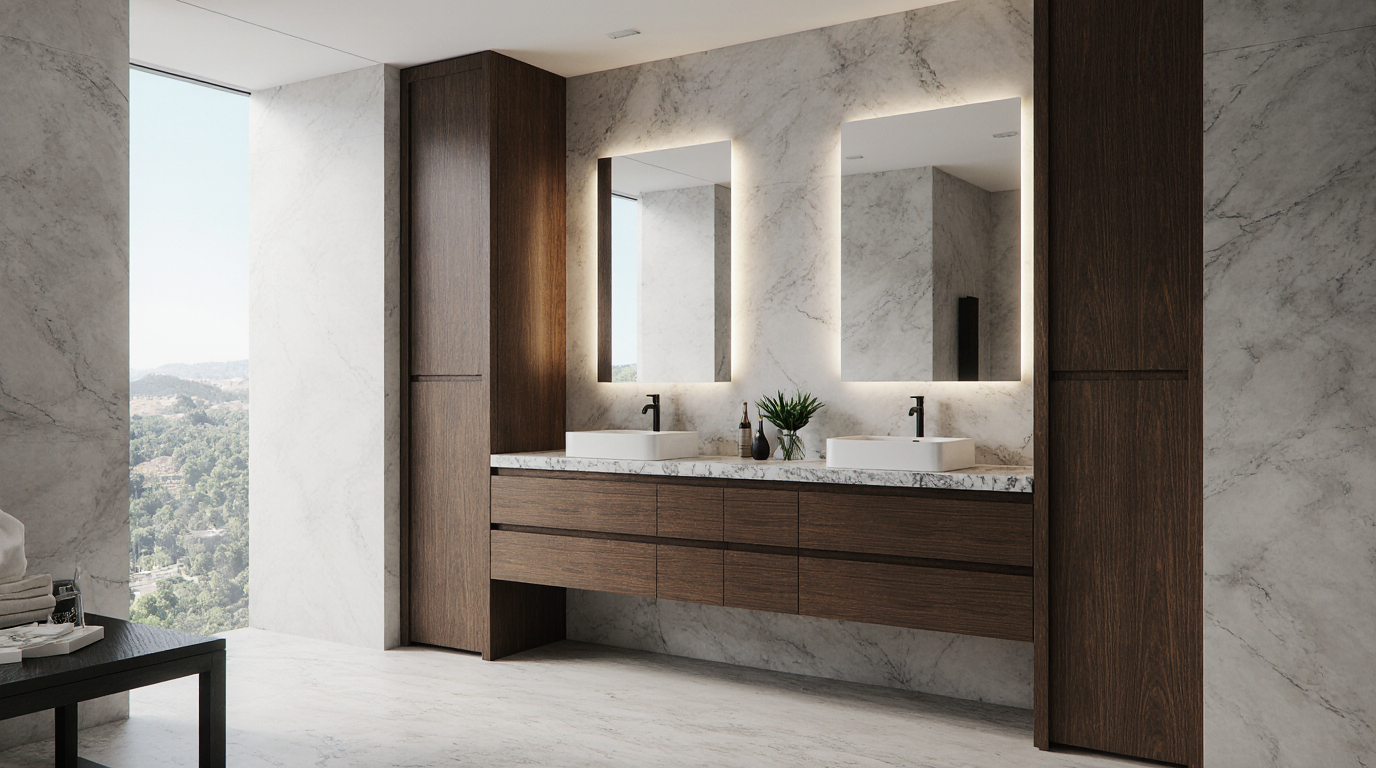
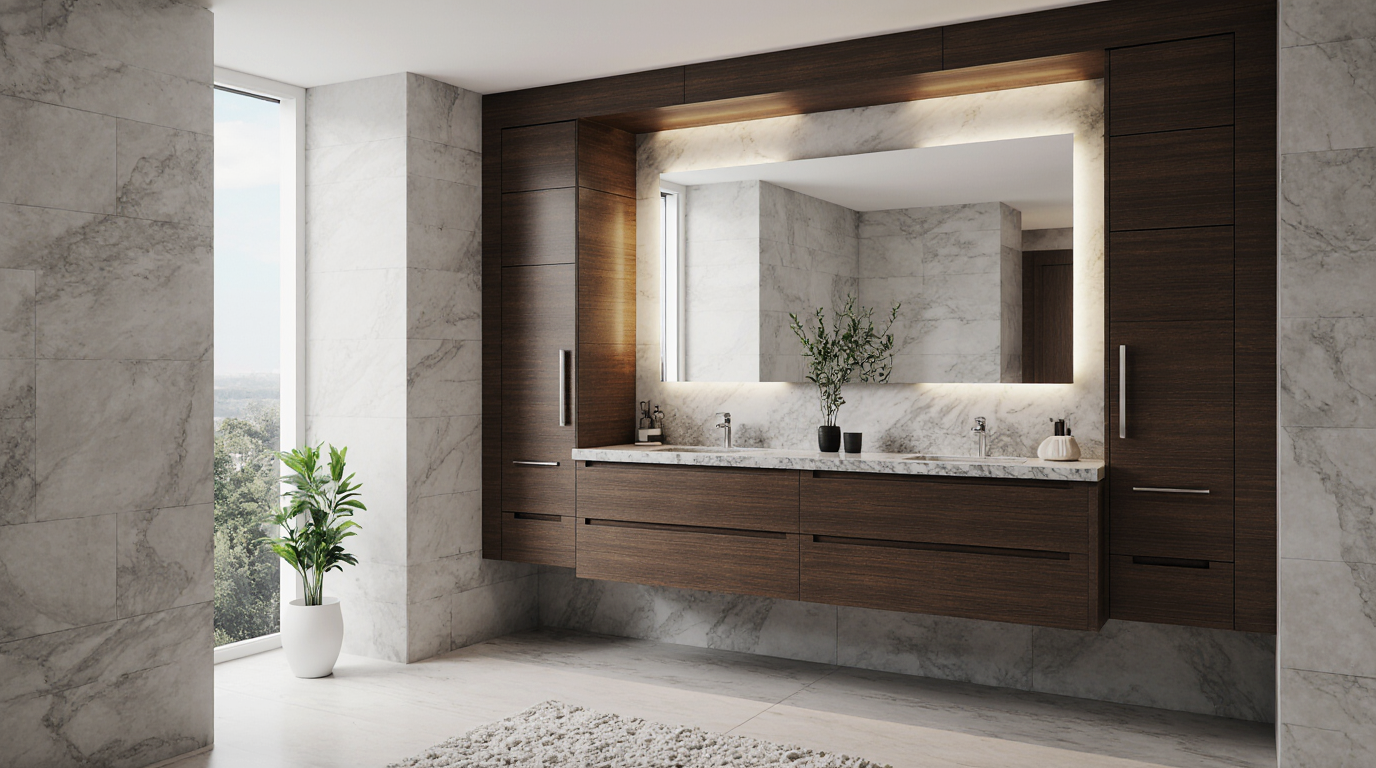
Design complexity directly influences the cost of custom bathroom cabinets, intricate detailing, including ornamental moldings, inset panels, and curved profiles, demands specialized labor and higher costs. Simpler, streamlined cabinetry may reduce cost but still relies on exacting workmanship. High-end solutions like floating units, mirrored integrations, and full-wall cabinetry often escalate expenses owing to installation complexity and reinforcement requirements. Such design upgrades deliver remarkable value, elevating everyday functionality to sophisticated, indulgent experiences.
Skilled craftsmanship is a crucial component of overall cabinetry expense, because expert labor guarantees flawless execution and enduring cabinet performance. Labor includes design consultation, precise measurement, material preparation, finishing, and installation. City projects usually involve premium labor fees compared with lower-cost rural or suburban options. Investing in experienced craftsmen provides enduring beauty, precise finishes, and reliable functionality.
Room dimensions and the number of cabinets play a significant role in pricing, with small guest bathrooms needing minimal cabinetry while master bathrooms may require multiple vanities, storage towers, and makeup stations. Each additional piece increases both material and labor expenses. Larger bathrooms require careful collaboration between designers, plumbers, and electricians to ensure perfect fit around fixtures and utilities. Engaging an experienced designer during planning minimizes errors, ensures cohesive design, and optimizes budget.
Location and scope of the project further influence pricing, cities with elevated costs of living usually reflect higher project pricing. Projects requiring system modifications may increase total investment. Sustainable cabinetry options elevate upfront costs while improving durability, indoor air quality, and ecological responsibility.
Cabinet hardware, though often overlooked, plays a crucial role in pricing, with premium hinges, drawer slides, and handles enhancing both function and daily usability. Specialized hardware coatings enable precise aesthetic alignment with overall décor. While adding a few hundred dollars, these elements elevate both the experience and durability of cabinetry.
Effective budgeting requires understanding typical price ranges. Location, intricate design, and artisanal skill all influence costs. Collaborating with reputable designers ensures functional, beautiful bathrooms that remain within budget.
Finally, considering the long-term value of custom bathroom cabinets is essential, as they not only enhance aesthetics but can significantly improve resale value. Tailored cabinetry ensures maximal organization, comfort, and space utilization for practical benefits. Selecting classic styles and long-lasting materials secures enduring appeal and function.
Fully grasping the expense of bespoke cabinets entails understanding the determinants of price, quality, and usability, including selection of wood, coatings, design complexity, and artisanal skill. Stock solutions might offer short-term savings, but bespoke cabinets convert ordinary bathrooms into personalized retreats. For homeowners seeking both refined functionality and elevated aesthetics, investing in custom bathroom cabinets is among the most rewarding home upgrades.