Closet Transformation: Expert Kitchen Renovation Principles Applied
Applying kitchen renovation expertise to closet design enables the creation of storage areas that are simultaneously efficient, aesthetic, and tailored to individual needs. Much like a kitchen, a closet is not merely a storage area; it is a central hub where organization, efficiency, and aesthetics converge. Expert designers approach a closet renovation with the same meticulous attention to detail that they apply in remodeling kitchens, ensuring that every shelf, drawer, and compartment is optimized for both form and function. This approach ensures that homeowners experience not only a visually stunning environment but also one that enhances daily routines and simplifies storage management.
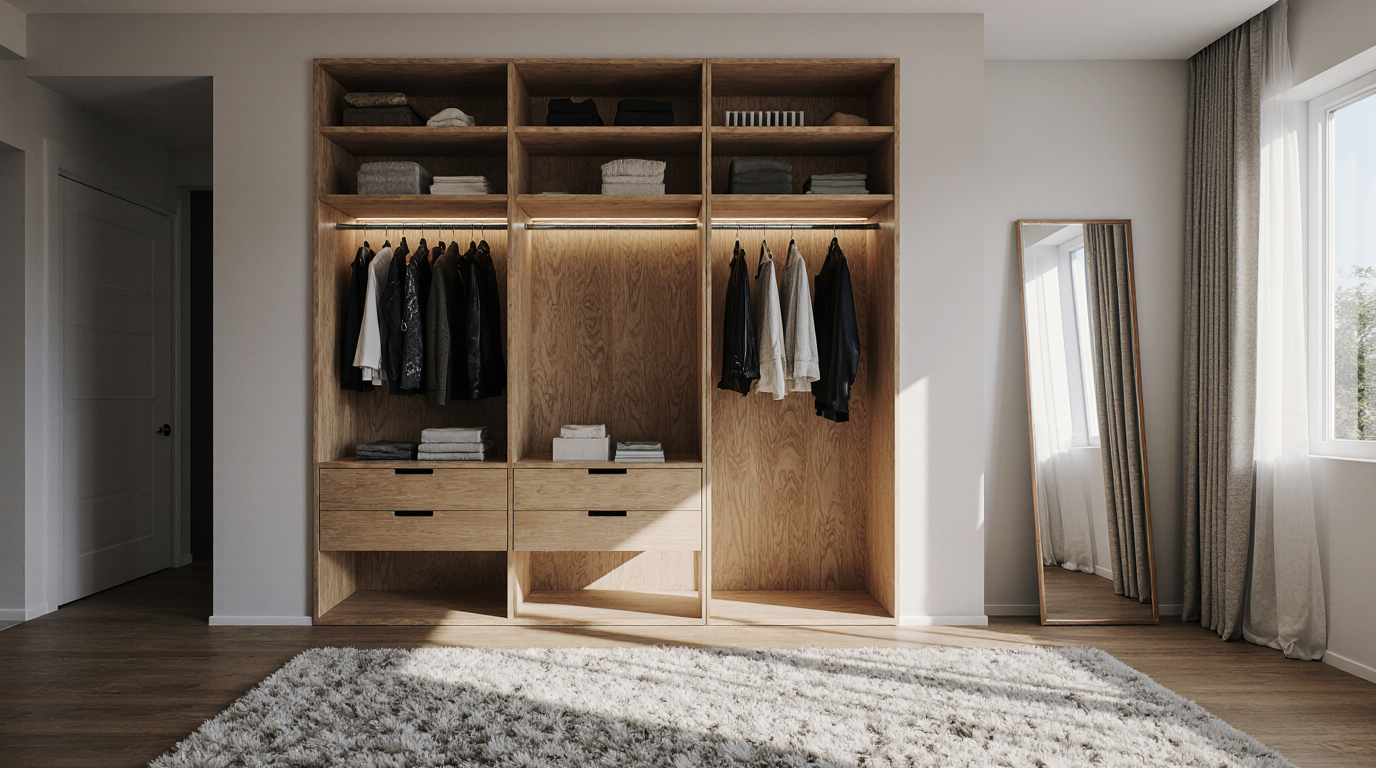
A successful closet project originates from analyzing individual habits, clothing volumes, and organizational requirements. Just as a kitchen renovation begins with analyzing cooking habits, layout, and appliance placement, a closet design project starts with assessing wardrobe size, clothing types, and storage preferences. Custom storage solutions are crucial in this context. Dynamic design elements like adjustable racks, custom hangers, and modular compartments provide long-term flexibility and efficiency. By applying renovation techniques honed in kitchen remodeling, such as maximizing vertical space and implementing modular components, designers can transform even the smallest closet into a highly functional sanctuary.
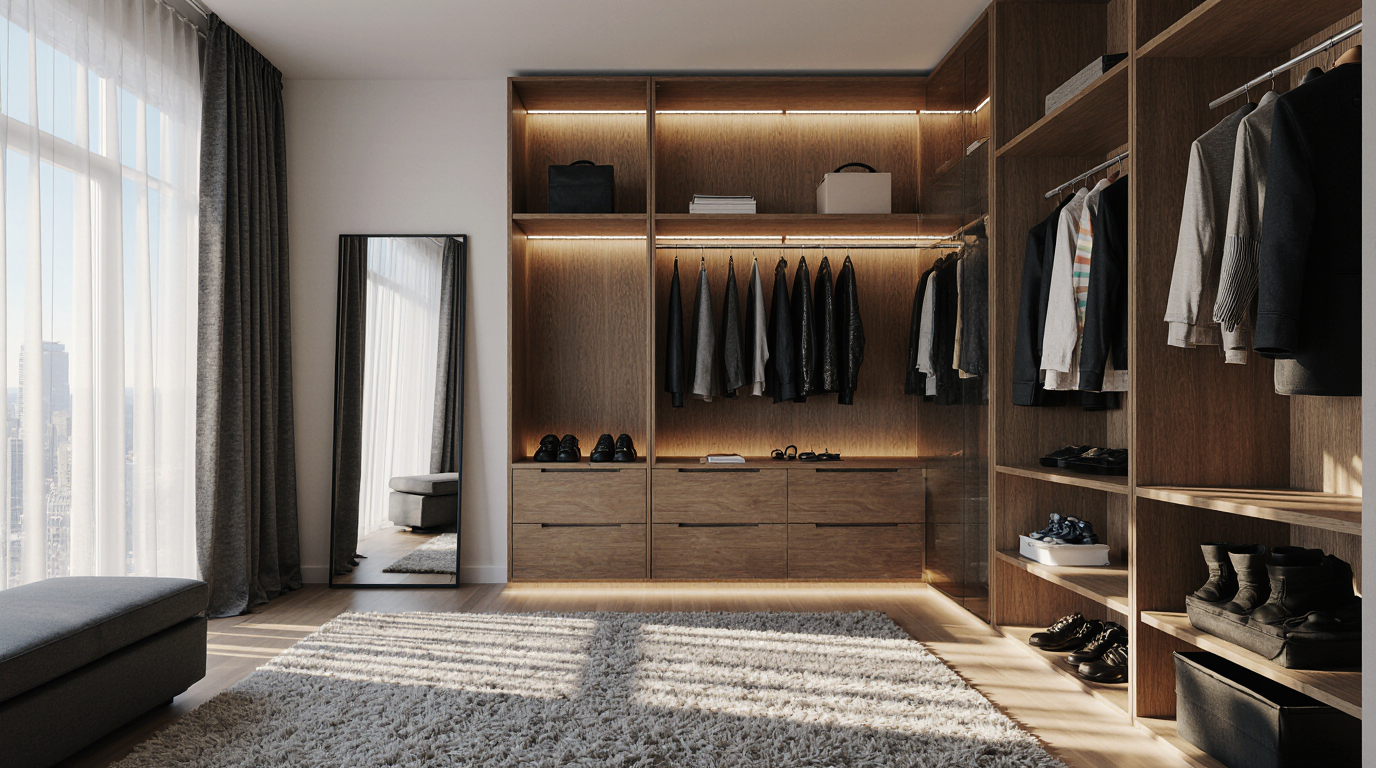
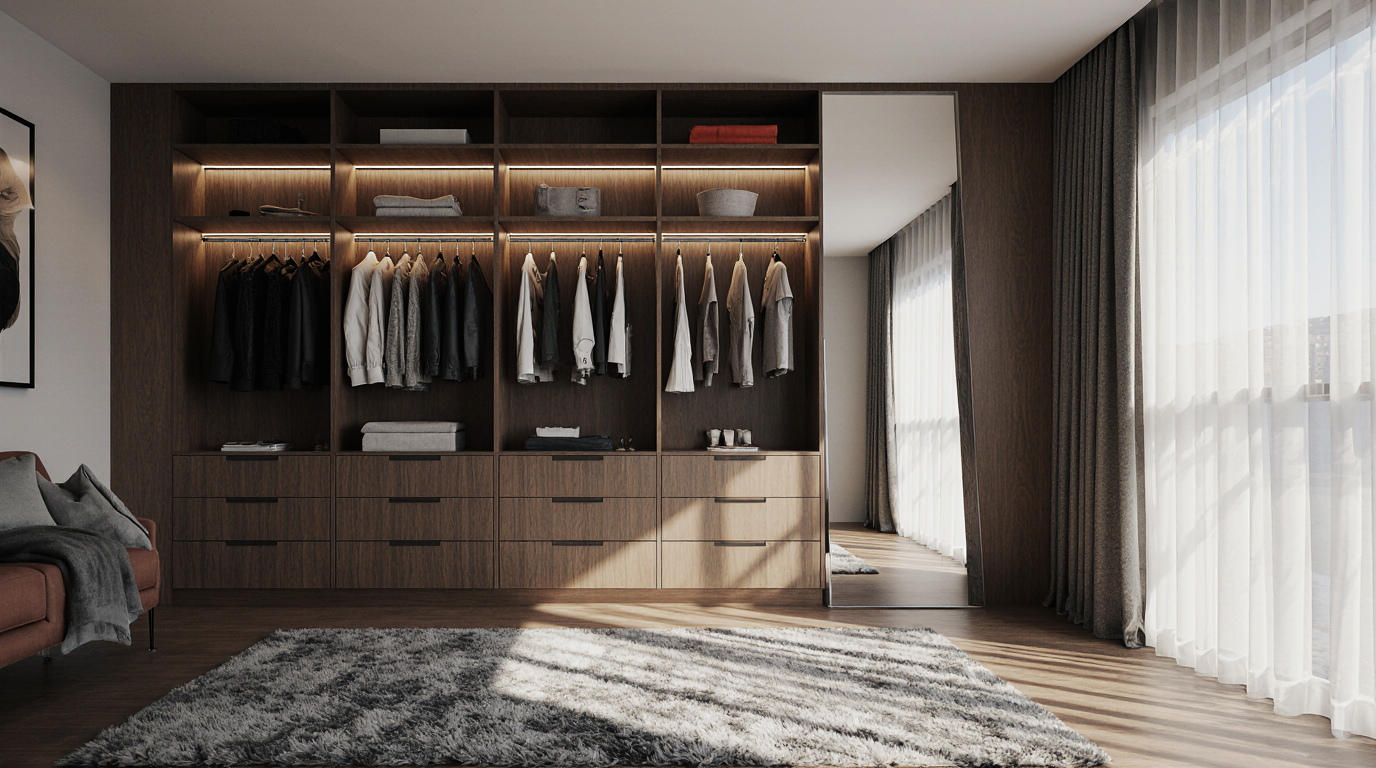
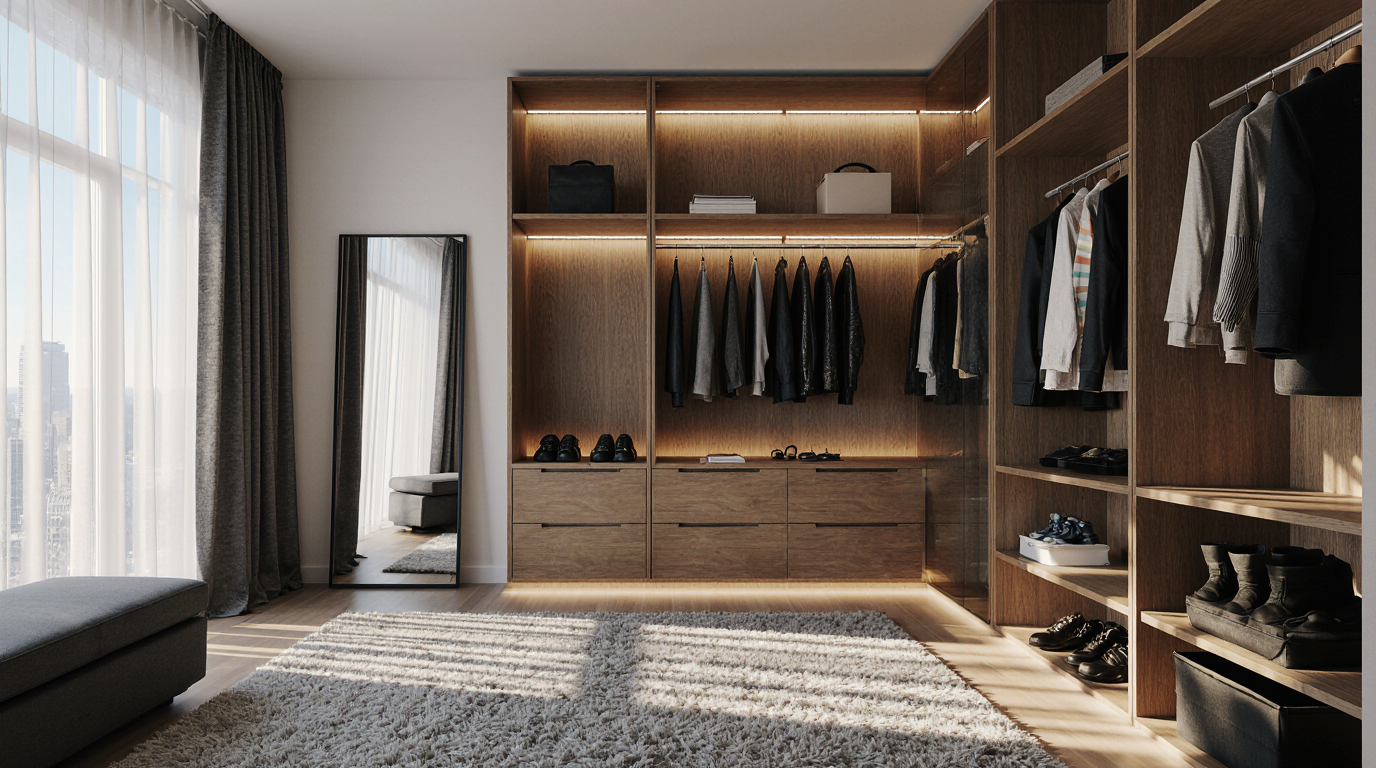
Lighting plays a pivotal role in elevating both kitchen and closet spaces. In a kitchen, proper illumination ensures safety and enhances the visual appeal of countertops and cabinetry; in a closet, strategically placed lighting can dramatically improve visibility and ambiance. LED strip lights, recessed ceiling lights, and motion-sensor options are increasingly popular in modern closet design. Properly implemented lighting accentuates materials, opens visual space, and transforms even small closets into inviting, luxurious areas. The nuanced integration of illumination demonstrates a designer’s skill, bridging lessons from kitchen renovations to elevate closet functionality and style.
Closet material choices, informed by kitchen renovation principles, ensure durability, elegance, and ease of maintenance. Just as countertops and cabinetry require durable, high-quality materials in the kitchen, closets benefit from carefully chosen woods, laminates, and hardware that combine longevity with aesthetic appeal. Solid wood, high-density MDF, and premium metal finishes offer durability while providing a sleek, modern look. Additionally, incorporating materials with easy-to-clean surfaces ensures that closets remain pristine over time, paralleling the maintenance considerations inherent in sophisticated kitchen designs.
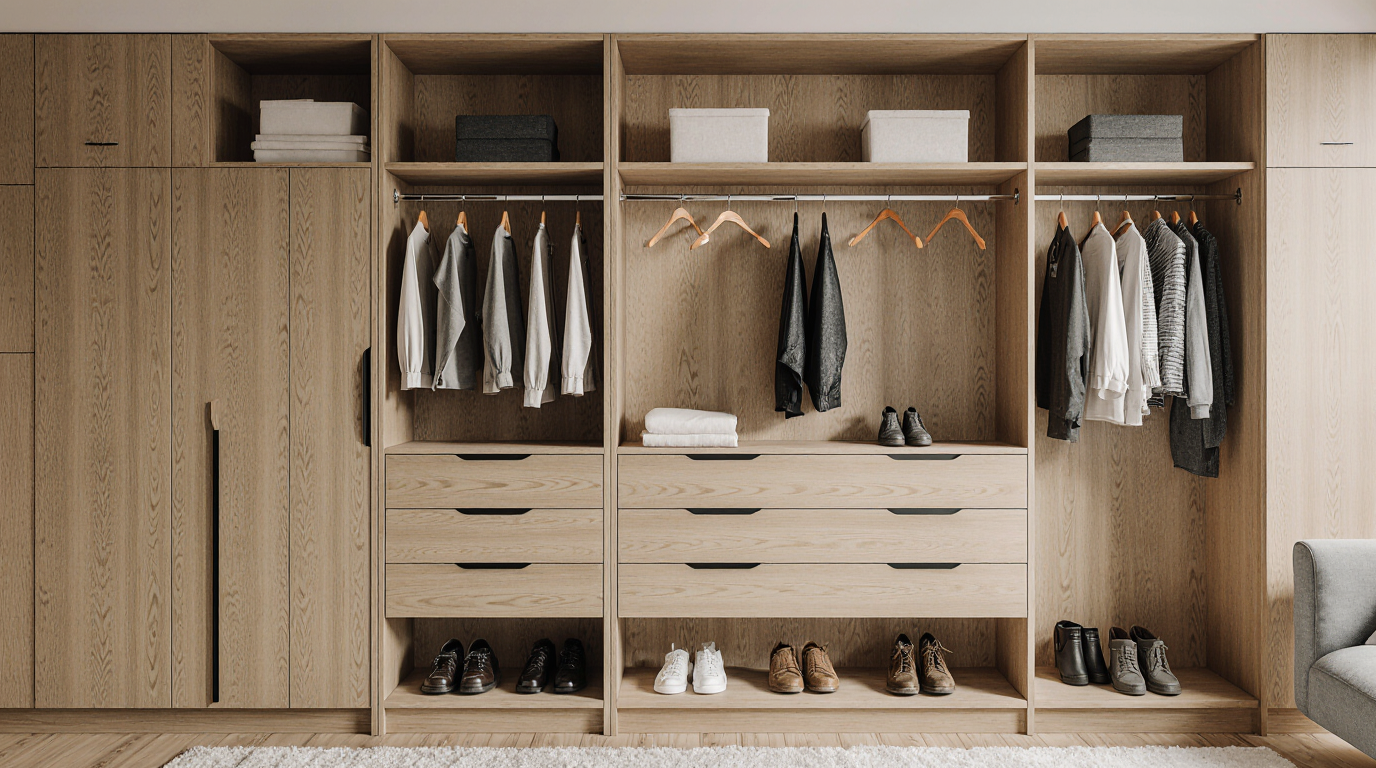
Optimized storage forms the core of thoughtfully designed closets. Inspired by kitchen remodeling, closets integrate compact solutions like pull-out shelves, corner storage units, and layered racks to fully utilize available space. These innovations allow for a seamless organization of clothing, shoes, accessories, and personal items. In many cases, designers also implement specialized zones for specific categories, much like separate sections for pantry items in a kitchen. Layout optimization ensures a seamless blend of aesthetics and utility, making closets not only organized but visually compelling.
Closet personalization reflects the bespoke philosophy applied in luxury kitchen renovations. Storage elements are curated and positioned to align perfectly with user routines and wardrobe types. Personalized storage solutions reflect the unique character of the user, providing not only convenience but also a sense of luxury. In addition, integrating technology, such as automated lighting or built-in charging stations for personal devices, enhances the modern appeal and usability of the space. This emphasis on personalized functionality underscores the overlap between expert kitchen remodeling and elite closet design services.
The aesthetic component of closet design is equally critical. Much like kitchens, closets are evolving beyond mere functionality into spaces that reflect style and personality. Color schemes, finish textures, and hardware choices contribute to an environment that is both elegant and cohesive. From sleek modern minimalism to traditional wood elegance and chic metal detailing, closets can be tailored to complement any home decor. Design precision, refined through years of kitchen projects, guarantees that every element harmonizes aesthetics with practicality.
Efficiency and durability remain central to the design philosophy, mirroring the principles applied in high-quality kitchen renovations. Professional-grade components like reinforced shelving and high-durability drawers ensure longevity and consistent performance. Just as countertops and cabinetry endure daily wear in kitchens, closets experience heavy use that demands materials and construction techniques capable of sustaining long-term functionality. High-end design principles ensure closets maintain beauty, functionality, and endurance over time.
Integration of multifunctional elements is another strategy borrowed from kitchen remodeling. Features like built-in seating, mirrors, and convertible workspaces enhance convenience while maximizing space. Multifunctional features not only improve user experience but also elevate design sophistication. Closet elements are intentionally integrated to balance practicality with design coherence, reflecting principles of expert kitchen planning.
By applying kitchen-inspired design strategies, closets become highly functional, aesthetically refined, and tailored to individual lifestyles. From material selection and lighting to storage efficiency and aesthetic appeal, every aspect of the design is meticulously crafted to enhance daily life and elevate the home environment. Connecting principles from kitchen renovations with closet design emphasizes mastery, creativity, and dedication to producing spaces that balance elegance with functionality. A thoughtfully designed closet is more than storage—it is a testament to the transformative power of expert renovation practices applied with precision, care, and style.