Bathroom Medicine Cabinets: Redefining Storage, Aesthetics, and Functionality
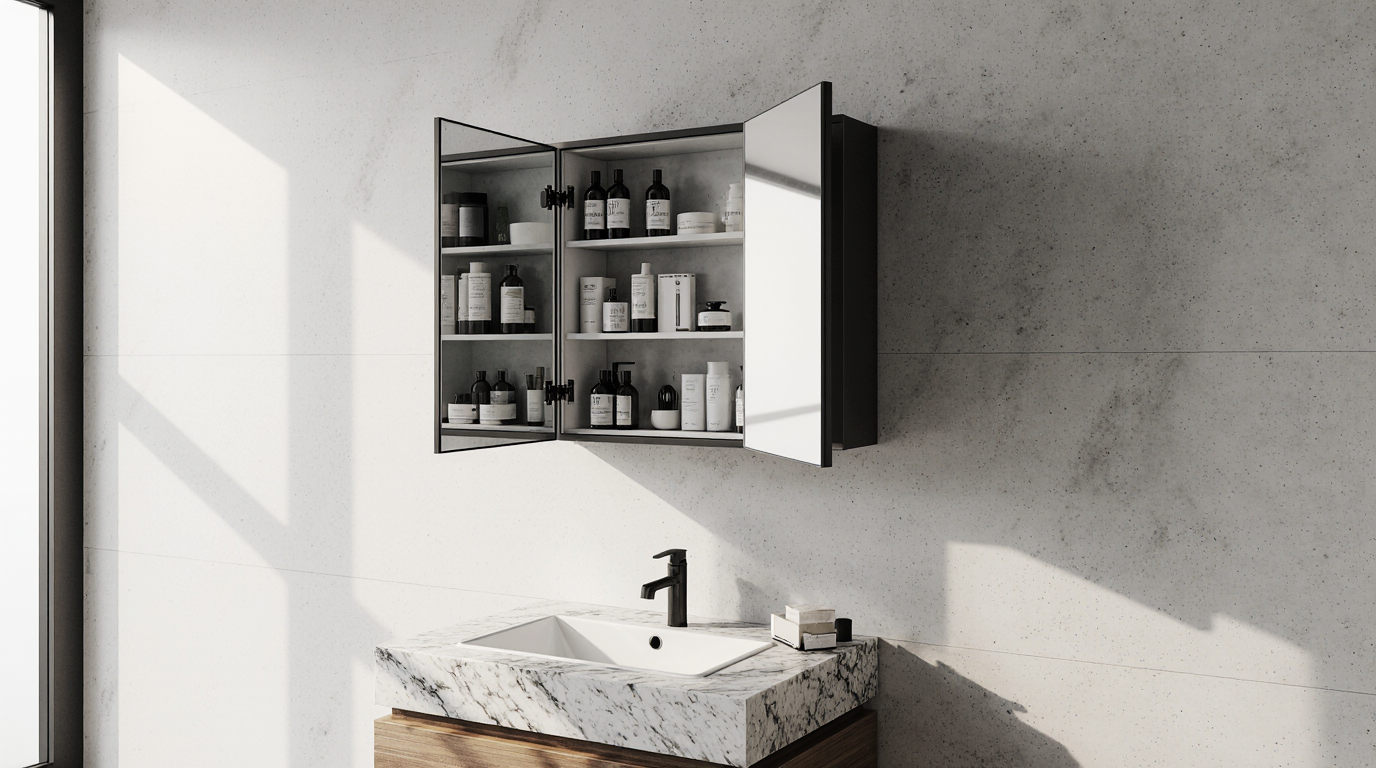
During a bathroom redesign, the frequently ignored medicine cabinet transforms into a central feature, balancing style with highly practical storage possibilities. Modern medicine cabinet design has evolved far beyond the traditional mirrored box tucked above the sink, acting as versatile units that improve storage efficiency, maximize spatial usage, and uplift the room’s aesthetic. Choosing the ideal cabinet requires careful attention to dimensions, finishes, illumination, and design, ensuring a perfect blend of practicality and visual appeal.
A well-designed medicine cabinet can redefine the way you interact with your bathroom space. Smaller spaces benefit from wall-mounted solutions that expand storage upwards, combining beauty with practical organization for items like toiletries and medications. Meanwhile, larger bathrooms can accommodate recessed or built-in medicine cabinets, seamlessly integrating storage into the wall structure for a sleek, minimalist look. The versatility of medicine cabinet design ensures that whether your style leans toward modern minimalism, traditional elegance, or transitional sophistication, there is an option tailored to complement the entire bathroom aesthetic.
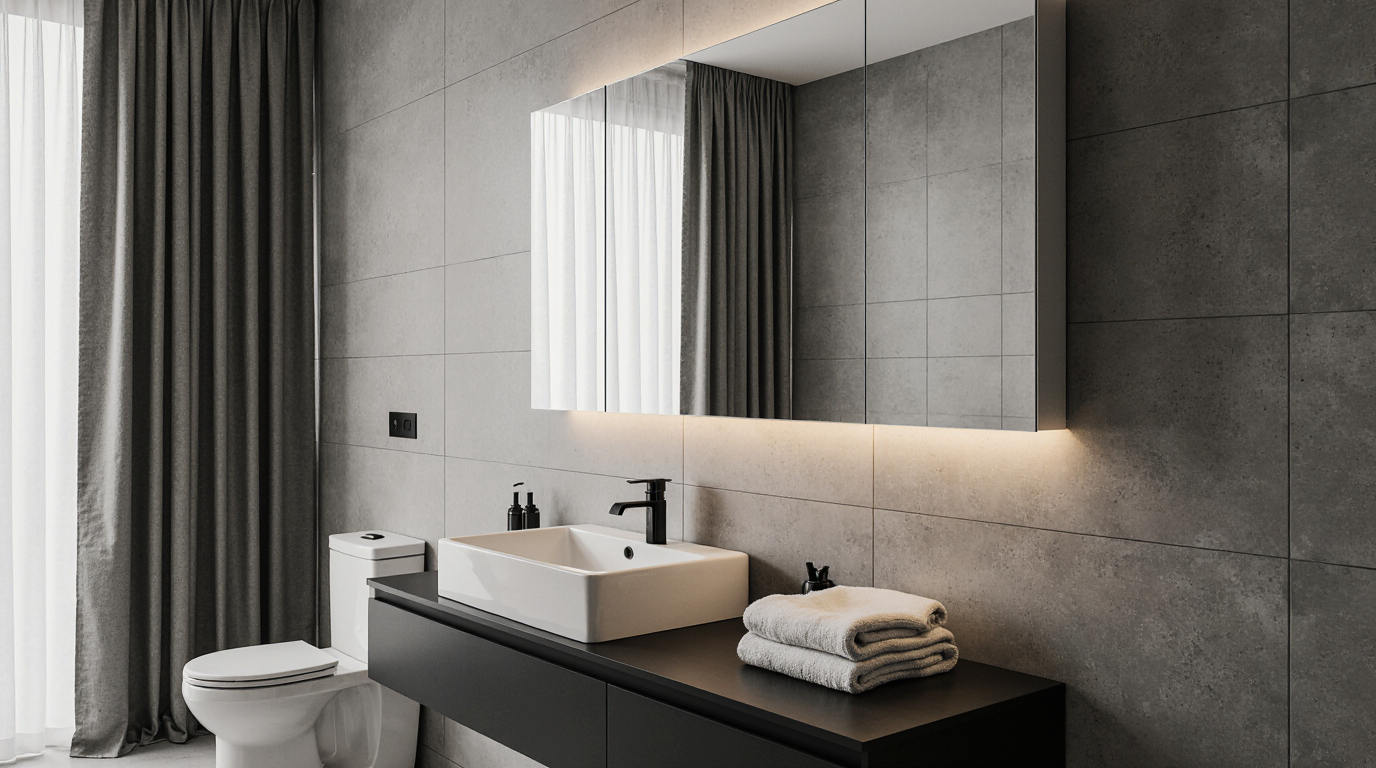
Choosing the right materials dramatically influences both the resilience and the visual elegance of a medicine cabinet. Wood cabinets, particularly in fine grains like maple, walnut, or oak, offer warmth, texture, and detailed craftsmanship that reinforce sophisticated design. On the other hand, contemporary designs frequently utilize metallic finishes like brushed nickel, stainless steel, or matte black to create a streamlined, modern appearance that pairs effortlessly with minimalist fixtures. Incorporating glass shelves, mirrored fronts, and tempered panels increases utility while enhancing visual perception, opening up smaller bathrooms. By carefully selecting the material, homeowners can ensure their medicine cabinet complements existing bathroom elements while standing out as a statement piece.
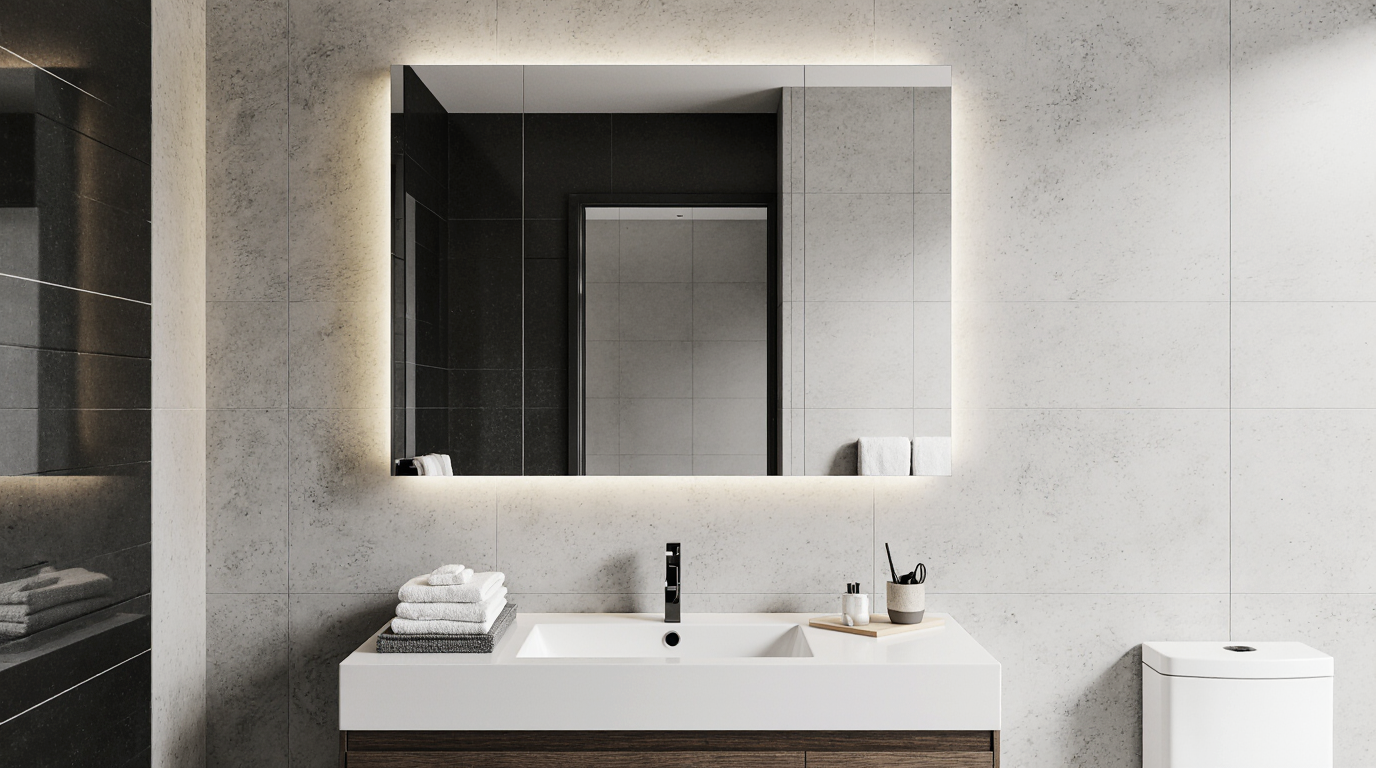
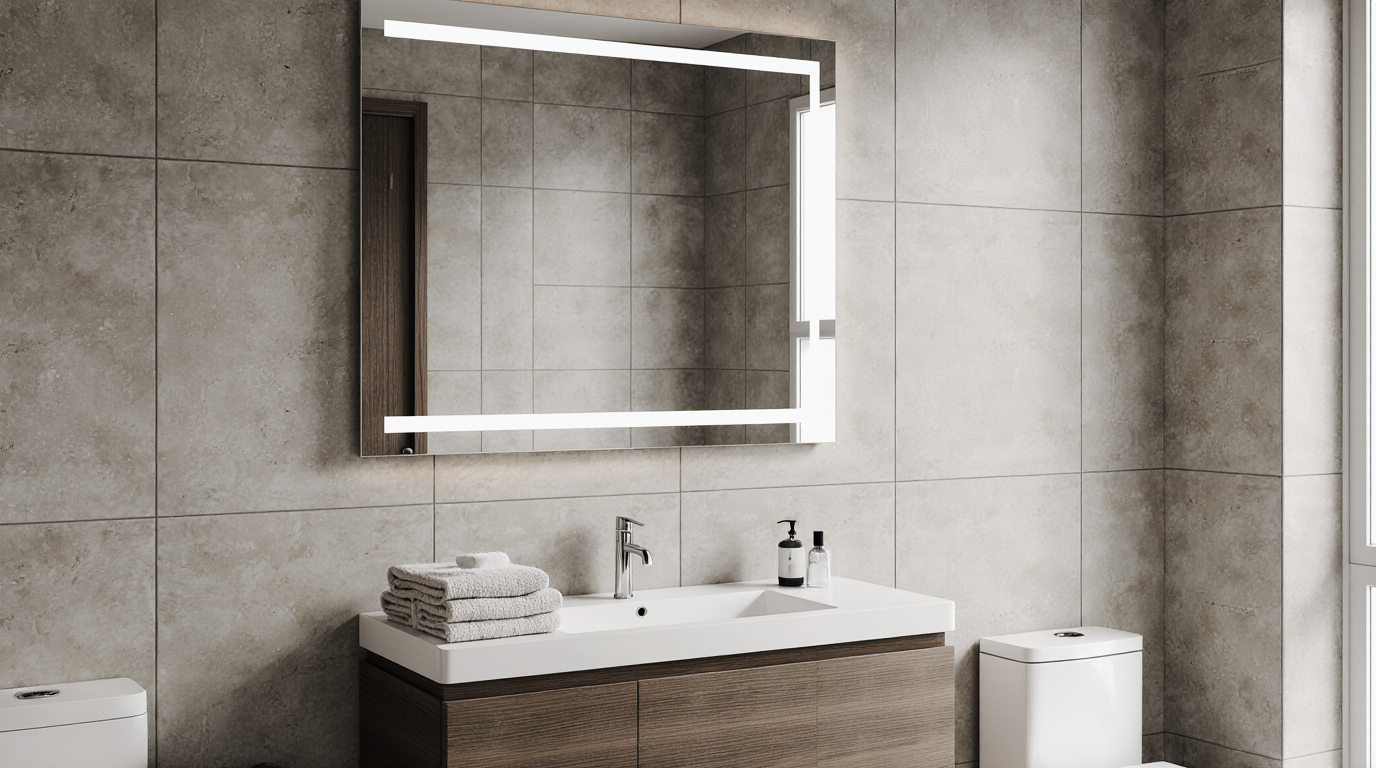
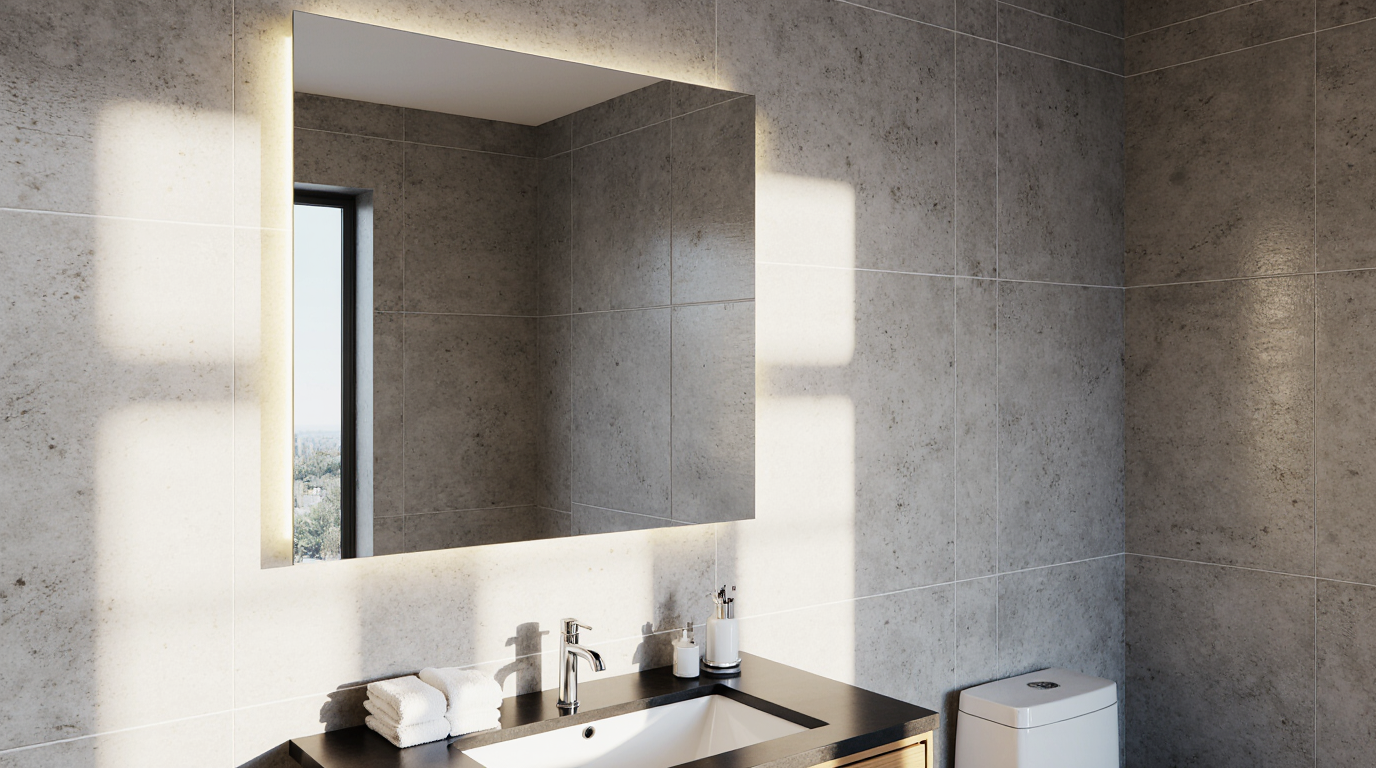
Lighting is another critical component of medicine cabinet design that often goes unnoticed but has a significant impact on usability and ambiance. Built-in LED lights ensure visibility of stored items and contribute a soft, ambient glow, elevating the bathroom’s mood. Some advanced medicine cabinets feature motion-sensor lights or dimmable settings, allowing users to adjust brightness according to the time of day or specific needs. Proper lighting ensures that everyday tasks, such as shaving, applying makeup, or sorting medications, can be performed with precision, transforming the cabinet from a mere storage unit into an essential functional feature of the bathroom.
Beyond looks and illumination, efficient storage and ease of access define outstanding cabinet design. Adjustable shelving and compartmentalized storage systems allow users to tailor the cabinet to individual needs, ensuring that items are easy to locate and maintain. Hidden compartments, sliding trays, and precise slots for personal care items boost functionality while preserving a clean surface. Thoughtful storage design increases efficiency and contributes to a tranquil, orderly bathroom experience.
Health, hygiene, and safety are critical factors in superior cabinet design. Materials that are moisture-resistant and easy to clean, such as tempered glass, stainless steel, or laminated wood, prevent the growth of mold and bacteria, ensuring that stored items remain sanitary. Additionally, cabinets with secure locking mechanisms are ideal for families with children, providing peace of mind that medications and other potentially hazardous items are safely stored. Cabinets may feature protective coatings and soft-close hinges, harmonizing hygiene, security, and convenience.
Strategic placement of medicine cabinets dictates both ease of use and overall bathroom symmetry. A central position ensures effortless reach, while alternative installations create room for added functional or decorative features. Harmonizing the cabinet with existing vanities, mirrors, and fixtures creates a cohesive, stylish look. Innovative use of frameless or mirrored designs can magnify spatial perception, giving smaller bathrooms a more open feel.
Customization is a defining trend in contemporary medicine cabinet design, allowing homeowners to create a cabinet that reflects personal style while meeting specific storage needs. Custom cabinets can include tailored shelving, specialized compartments for skincare, makeup, or medications, and finishes that perfectly match or contrast with vanities, countertops, and hardware. This level of customization transforms the medicine cabinet from a standard storage solution into a design statement, offering both elegance and individuality. Luxury variants might incorporate Bluetooth audio, fog-resistant mirrors, or charging docks, demonstrating how innovation and elegance coexist.
Prioritizing intelligent cabinet design ensures improvements in utility and visual appeal. Considering all aspects—from finishes and illumination to security and layout—allows a cabinet to elevate the bathroom from ordinary to exceptional. From ultra-modern LED-illuminated mirrored cabinets to timeless wooden designs, a vast array of options allows for functional and decorative customization. Meticulous planning guarantees organization, aesthetic cohesion, and a bathroom experience where functionality and beauty coexist.
Integrating a smartly designed medicine cabinet enhances storage, usability, and the luxurious feel of the bathroom. Through modern aesthetics, eco-conscious materials, and innovative organization, cabinets demonstrate that minor elements can dramatically affect overall design. For anyone valuing beauty, utility, and resilience, investing in a meticulously designed cabinet guarantees a harmonious, functional, and visually striking bathroom feature.