Modern Bathroom-Laundry Integration: Creative Space Solutions
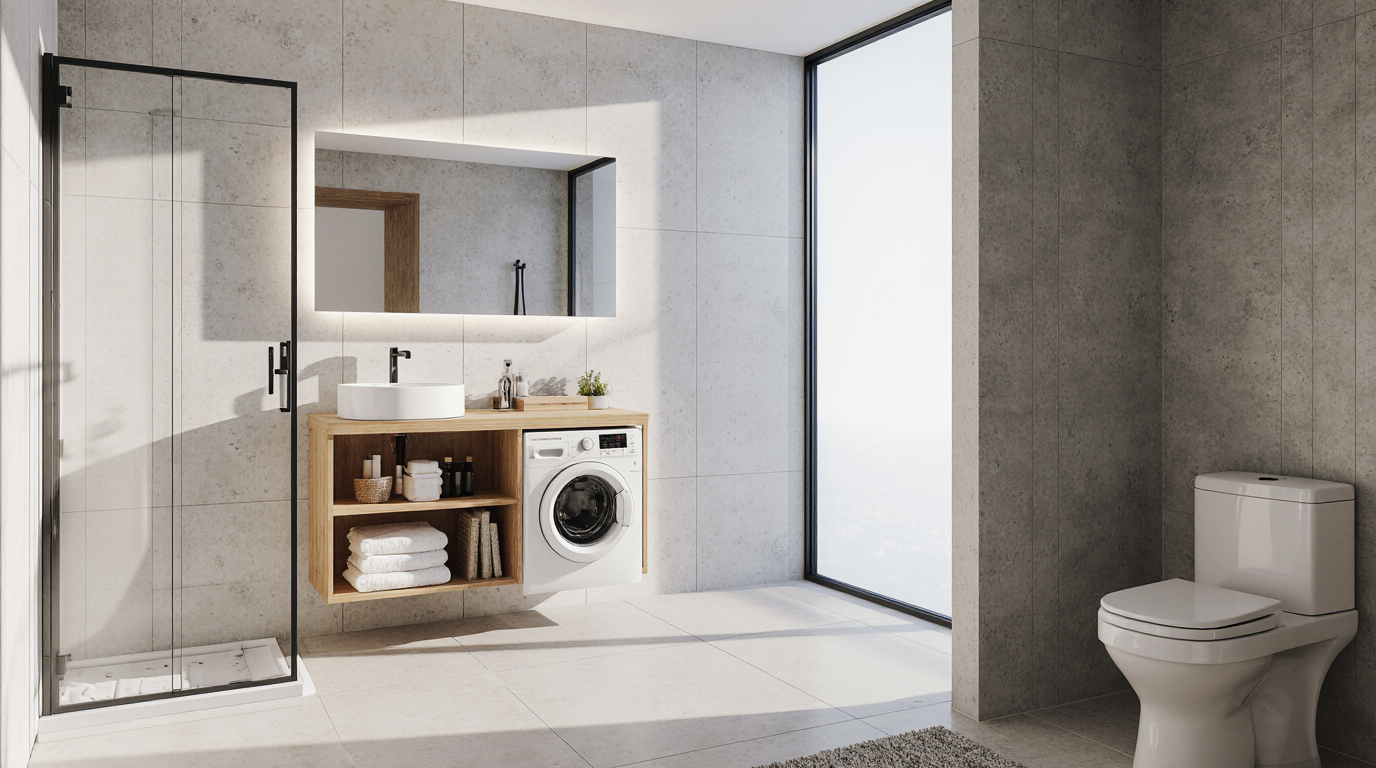
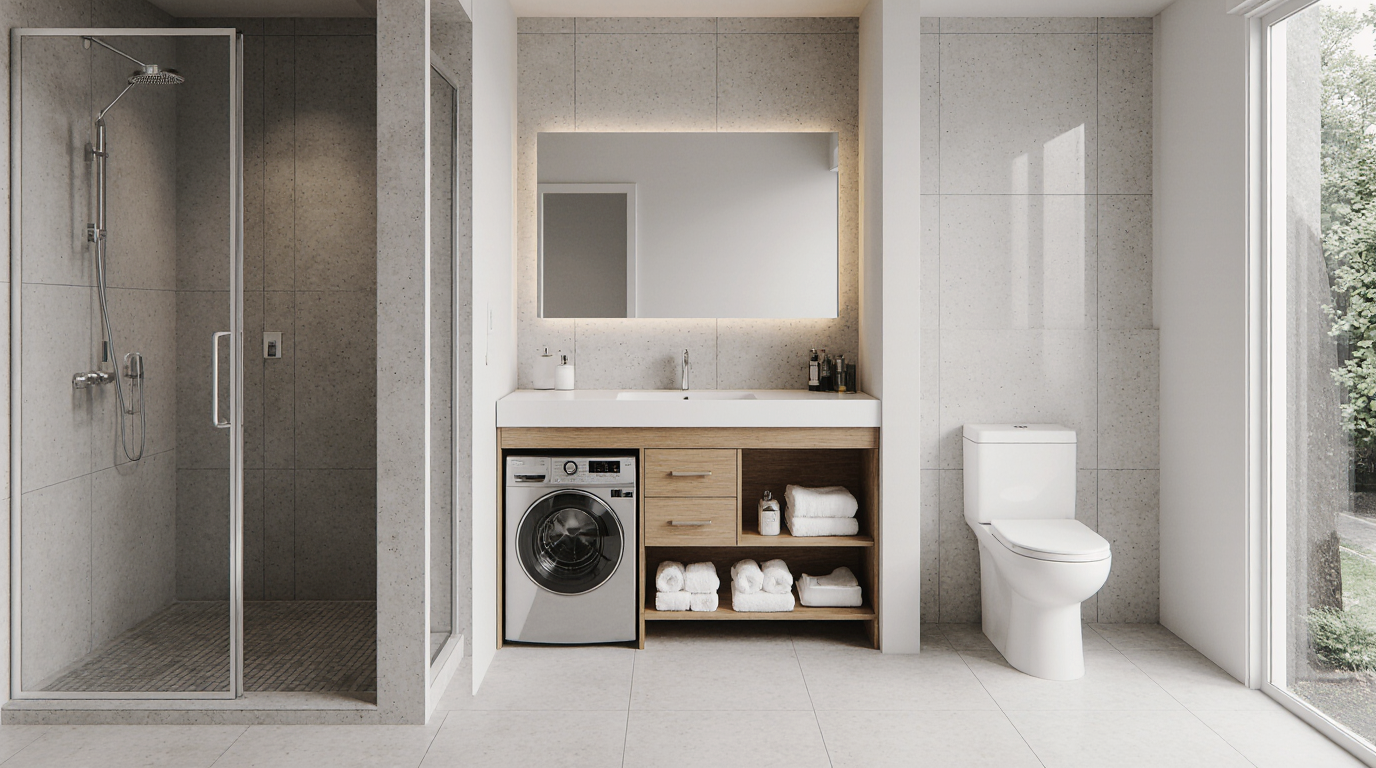
Creating a functional yet stylish space in a home can be a challenging task, particularly when merging critical zones like the bathroom and laundry area. Combining these areas has become a trend in modern home design due to its practical elegance, because it maximizes limited space without compromising on aesthetics or usability. When carefully designed, such a combo integrates convenience, functionality, and refined design to enhance everyday life, transforming ordinary tasks into streamlined, pleasurable experiences.
One of the most critical aspects of designing a combined bathroom and laundry area is ensuring proper spatial planning, Interior designers often stress that an intelligently structured layout is key, requiring meticulous attention to plumbing, air circulation, and storage management. The placement of appliances, such as a washing machine and dryer, must not interfere with the flow of the bathroom, and vice versa. Space-saving strategies such as stacked units or miniaturized appliances are frequently suggested. Thoughtful organization transforms even a modest area into a multi-functional space without appearing cluttered.
Clever storage design is essential to maximize the utility of combined areas. Both areas require well-planned storage for necessities ranging from personal care items to laundry products. Tailored cabinetry solutions can discreetly incorporate laundry units while expanding storage capacity. Stacked or floor-to-ceiling cabinets are often implemented to fully exploit vertical space. Built-in drawers with soft-close mechanisms add sophistication and efficiency, ensuring that every inch serves a purpose without overwhelming the area.
The design’s style must complement its functionality, Blending finishes and palettes carefully elevates the dual-purpose environment. Light, muted colors create the illusion of spaciousness while maintaining calm aesthetics. Tile choices are another area where design and functionality converge; water-resistant and easy-to-clean surfaces enhance durability while contributing to the overall style. Patterned or textured tiles can add depth and interest, creating an atmosphere that is both inviting and refined. Even small touches, like accent tiles behind the sink or subtle mosaic designs, can elevate the visual impact of the room.
The right lighting dramatically influences both aesthetics and functionality. Illumination that balances task and ambient needs enhances efficiency and ambiance. Multiple light layers, including ambient, task, and accent options, optimize the space’s usability and atmosphere. Under-cabinet lighting enhances visibility and contributes a sleek, contemporary feel. Maximizing daylight enhances comfort, energy efficiency, and the perception of space.
Air circulation is fundamental to preventing damage and maintaining comfort. Managing humidity and dampness is essential to avoid structural or health issues. High-quality exhaust fans or strategically placed windows help maintain a fresh environment. Modern ventilation integrates humidity and thermal control for durability and comfort. In some cases, designers integrate dehumidifiers or moisture-resistant wall panels to ensure the space remains comfortable and hygienic.
Eco-conscious design principles are increasingly applied in compact, dual-purpose spaces. Conservation-oriented fittings maintain functionality while minimizing resource use. Appliance selection favors high-efficiency machines to reduce environmental impact. Smart integration empowers users to manage routines, reduce waste, and enhance comfort. Eco-friendly and tech-forward strategies offer both practicality and sophistication.
Organized operational design is critical for maintaining comfort and efficiency. Strategic layout of functional zones streamlines chores and maximizes space. Combining horizontal surfaces with vertical appliances creates practical, multifunctional zones. Open-access areas complement hidden compartments to enhance daily convenience. Consideration of usage patterns ensures the area is both efficient and visually appealing.
Ensuring safety is a priority when integrating bathrooms and laundry areas. Designers must address slip hazards, electrics, and appliance stability. Safety-oriented finishes and hardware reduce risks without compromising design. Designers prioritize these elements without compromising aesthetics, seamlessly integrating protective features into the overall layout. Well-designed dual-purpose areas combine peace of mind with aesthetic sophistication.
Tailored aesthetics make the space uniquely aligned with the user. From customized cabinetry to unique finishes and decorative accents, a bathroom-laundry combo can reflect individual taste while maintaining functionality. Decorative focal points transform mundane tasks into pleasurable experiences. Thoughtful color coordination, coordinated textiles, and integrated design elements ensure that the dual-purpose space does not feel chaotic but rather curated and harmonious.
Dual-purpose design ensures long-term functionality and value. Modern housing trends favor multi-functional, space-saving solutions. Strategic modular solutions sustain usability and elegance over time. Integrated design proves that efficiency and style can seamlessly coexist.
Successful integration demands a holistic approach to design, balancing functionality, aesthetics, and ergonomics. Skilled designers ensure that each element contributes to a cohesive, efficient, and visually pleasing environment. Advanced planning, smart appliances, and intelligent design elevate daily routines.